From Awareness to Action: How Communities Can Support Menstruating Students


Across the globe, millions of young people face predictable yet persistent barriers every month simply because they menstruate. While raising public awareness about period poverty and taboo has been a crucial first step, awareness alone cannot equip a school restroom with clean water or place sanitary products in the hands of a student in need. Moving from empathy to impact requires structured, sustainable community support for menstruating students. When neighborhoods, schools, parents, and local leaders align their efforts, they build robust environments where young people can manage their periods safely, comfortably, and without interruption to their education.
Understanding the Barriers in Educational Spaces
Students face a unique intersection of physical, financial, and social hurdles during their monthly cycles. Without localized support networks, these hurdles rapidly turn into missed classes, anxiety, and academic decline.
Inadequate School Infrastructure
- Lack of Sanitation Facilities: Many schools lack clean, private, and lockable restroom stalls equipped with running water and soap.
- Missing Waste Disposal: Without discreet disposal bins or incinerators, students struggle to change and dispose of menstrual products hygienically during the school day.
Financial Stress and Supply Shortages
- Unreliable Supply Access: Many families living on low incomes cannot consistently afford commercial menstrual products.
- Emergency Disruptions: When a student experiences an unexpected period at school without products on hand, they are often forced to go home early.
Pervasive Social Stigma
- Fear of Teasing and Accidents: The constant anxiety of visible leaks or peer harassment keeps many students silent and isolated.
- Inadequate Health Education: Fear flourishes when neither students nor staff receive clear, practical guidance on body changes.
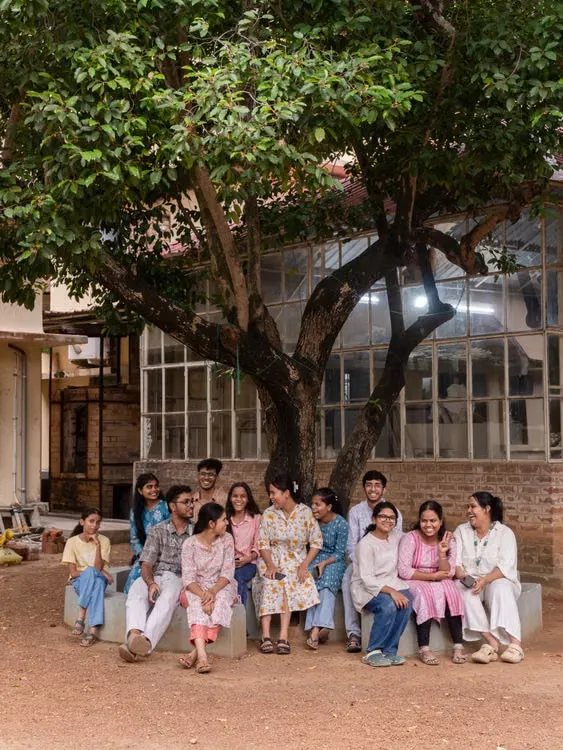
The Power of Localized Action and Collaboration
Building lasting infrastructure for students requires a unified approach. No single group can solve period poverty alone, but coordinated effort creates lasting change.
Schools and Educators as First Responders
Schools serve as the daily anchor for adolescent development. Educational leaders must prioritize community initiatives for menstrual health by stocking free emergency period products in nurse offices, restrooms, and classrooms. Furthermore, teachers must foster supportive classroom cultures where students feel comfortable requesting restroom breaks without public scrutiny or embarrassment.
The Role of Families and Neighborhood Leaders
Community change thrives when parents and local leaders participate in open dialogue. By organizing neighborhood discussions and supporting school-based drives, parents help normalize period management. When community members unite around advocating for menstrual dignity and rights, they send a powerful message to young people that their health and comfort matter.
Grassroots Nonprofits and Donors
Local non-governmental organizations provide vital technical expertise, educational materials, and logistical support. Collaborating with menstrual equity nonprofit organizations allows schools to establish reliable supply pipelines and deliver age-appropriate health workshops. Donors and local businesses can fund these initiatives, ensuring that resource-scarce schools maintain fully stocked restrooms year-round.

Practical Steps for Community-Led Impact
To move from conversation to concrete progress, communities can implement several practical, scalable initiatives:
- Establish Emergency Supply Cabinets: Local organizations and school PTA groups can collaborate to build and replenish free product dispensaries in school bathrooms.
- Implement Comprehensive Health Workshops: Host interactive educational sessions for students of all genders to demystify puberty, counter myths, and promote empathy.
- Upgrade Sanitation Infrastructure: Local donors and civic groups can fund basic plumbing repairs, install privacy locks, and provide hygiene disposal units in local schools.
- Promote Policy and Advocacy: Civic leaders can push for regional policies that eliminate taxes on essential hygiene goods and mandate free period products in public academic institutions.
Through these combined efforts, community support for menstruating students evolves from an abstract idea into an active, everyday safety net.
Mobilizing Partnerships for Long-Term Sustainability
Creating systemic change requires continuous commitment and shared accountability across sectors. When local businesses, civic groups, and citizens unite around community initiatives for menstrual health, they ensure that school health programs remain funded and active over time.
Additionally, partnering directly with experienced menstrual equity nonprofit organizations enables communities to implement evidence-based strategies tailored to their specific cultural and economic needs. When citizens join together in advocating for menstrual dignity and rights, they transform institutional standards, ensuring no student's education is compromised by a natural bodily function.
As communities continue prioritizing community support for menstruating students, they lay the foundation for healthier, more equitable environments.
Expanding local outreach through community initiatives for menstrual health guarantees that every school provides a safe space for growth. By actively engaging with organizations and firmly advocating, neighborhoods build a world where every young person can thrive with confidence.

Transform Education with Utpat Foundation
Every student deserves the opportunity to learn without fear, shame, or physical disruption. The Utpat Foundation works tirelessly to bridge the gap between awareness and action by delivering comprehensive health education, constructing safe hygiene infrastructure, and providing essential period supplies to underserved schools. Their holistic approach ensures that young people receive the care, resources, and respect required to stay in school and reach their full potential.
You can help drive this vital transformation. Contact Utpat Foundation today to discover how their programs empower youth, support local school initiatives, or contribute directly to their ongoing distribution campaigns. Partner with them to build a future where menstrual equity is guaranteed for every student.
Author Bio
The author is a community health strategist and youth advocate with extensive experience managing public health programs across South Asia.


Sign in to leave a comment.