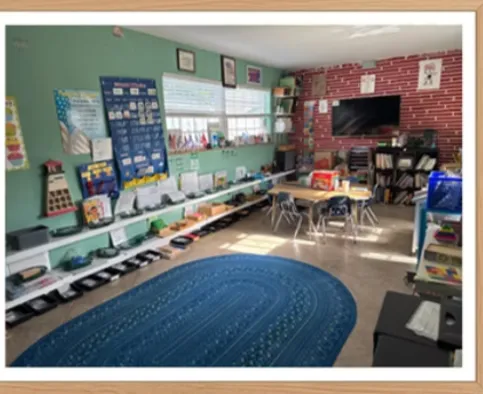

Many parents choose Montessori for the preschool years and then wonder what happens next. Does the approach continue? Does it still make sense for a seven-year-old who is reading chapter books and learning fractions? This article explains how Montessori learning changes as children grow, and what parents can expect when they begin looking at Montessori elementary schools.
The Same Philosophy, a Different Stage
In preschool, children are driven by a need to touch, move, and master physical tasks. Around age six, a shift happens. Children become more curious about reasons and relationships. They ask why things happen, how they are connected, and what is fair.
Montessori elementary programs respond to this change. The philosophy stays the same: respect for the child, meaningful work, and freedom within limits. But the activities become more intellectual and more social.
Big Questions and Big Stories
Many Montessori elementary classrooms introduce the “big picture” first. Teachers may tell dramatic stories about the formation of the universe, the arrival of life on Earth, or the development of writing and numbers. These stories are meant to spark curiosity, not to be memorised.
Children then follow their interests into detail. A child fascinated by volcanoes might research geology, draw diagrams, and give a short presentation. This method makes it possible for information to relate to a broader context, which may help them stick in your memory.
Research and Projects
Older children in a Montessori classroom often work on self-directed projects. They gather information from books and other sources, organize their notes, and share what they have learned. Teachers help them plan, but the children make many of the decisions.
This builds skills that matter beyond school, such as managing time, asking good questions, and presenting ideas clearly. It also teaches children to take responsibility for their own progress.
Math and Language at the Elementary Level
Math materials continue to be hands-on, but they become more advanced. Children use bead frames, fraction circles, and geometric tools to understand multiplication, division, and measurement before moving to written methods.
Language work expands to include grammar, creative writing, and literature. Children often write for real audiences, such as classmates, families, or community members, which gives their work a clear purpose.
Working Together
Elementary-aged children want to be part of a group, and Montessori classrooms use this energy. Students collaborate on projects, discuss problems, and resolve disagreements. Teachers guide these conversations, helping children express their views respectfully.
Mixed-age groupings usually continue, so older students lead and younger ones learn from them. This structure lets children experience different roles over time.
Why the Foundation Years Matter
The habits formed in early childhood often make the elementary transition easier. A child who has spent preschool choosing work, finishing tasks, and caring for the classroom already understands how a Montessori environment functions.
That does not mean children from other backgrounds cannot adjust. Many do, especially with patient teachers. But if you plan to stay with a Montessori path, a strong preschool experience gives your child a steady footing.
Questions Parents Often Ask
Will my child be prepared for other schools later? Many families ask this. The best answer comes from talking with the school about how it supports transitions and what its former students have gone on to do.
Is there enough structure? Montessori classrooms are structured, but the structure is built into the environment and expectations instead of a constant stream of instructions.
How are children assessed? Programs vary. Many rely on teacher observation, work samples, and conferences. Ask a school how they report progress and whether they use standardized tests.
What to Look For When You Visit
When touring a Montessori elementary program, spend time watching the children. Are they engaged and respectful? Do they know where to find materials? Can they explain what they are working on?
Look at the teachers too. Do they offer guidance without taking over? Are they approachable and clear about expectations? And ask about practical details such as class size, schedule, and communication with parents.
Starting Early
If you are still in the preschool stage, you can begin by learning about local programs and what they offer. Foundation Montessori is one place where families can read about a Montessori-based approach and then contact the school with their questions.
Final Thoughts
Montessori learning is designed to grow with the child. In the early years, it builds independence and concentration through hands-on work. In the elementary years, it channels curiosity into research, collaboration, and deeper understanding. Whether you are choosing a first school or planning ahead, it helps to understand the whole journey, so that today’s decision fits the child you hope to see in a few years.























Sign in to leave a comment.