From Empty Walls to Eye-Catching Interiors: An Art Styling Guide

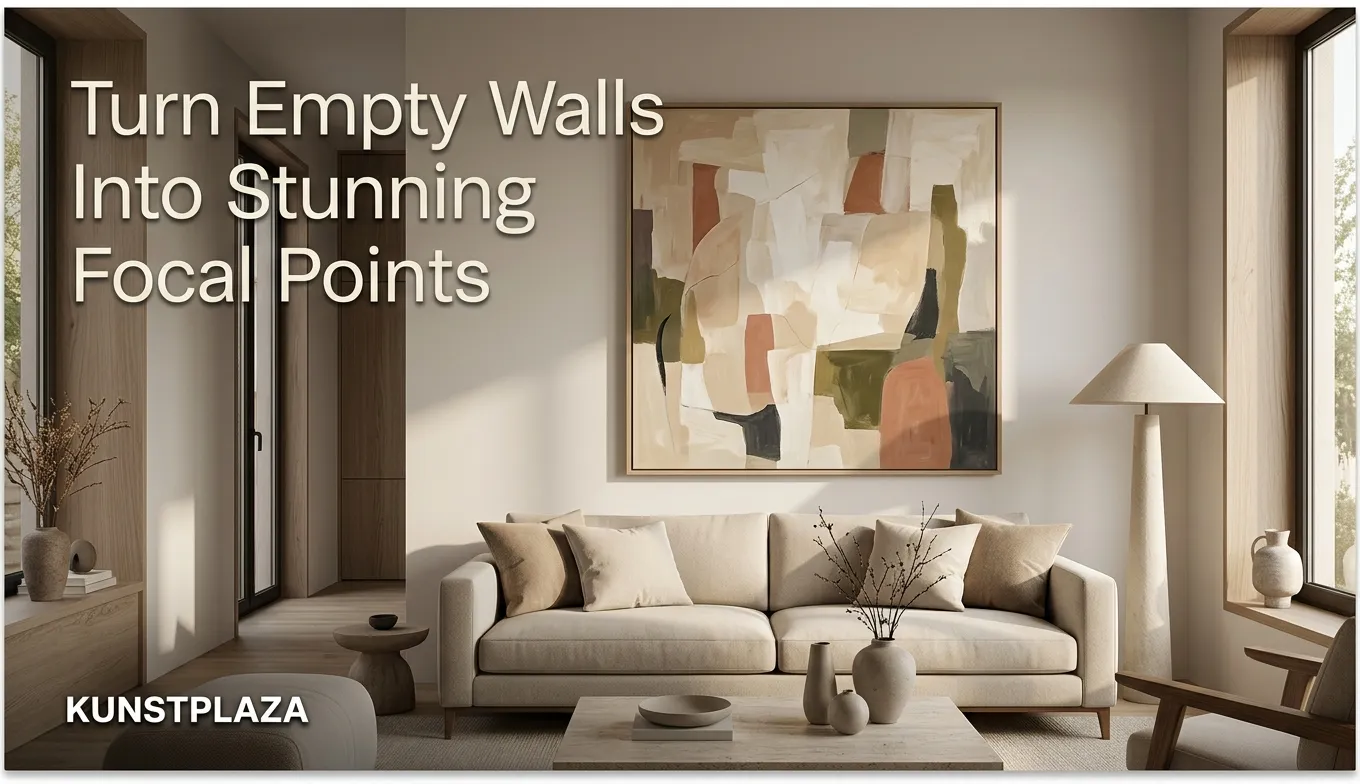
Empty walls can make even a beautifully furnished room feel unfinished. The right artwork, however, can introduce personality, create visual balance, and bring furniture, colors, and textures together. The most effective approach to modern wall decor is to choose pieces that complement the room's purpose, fit its proportions, and reflect the people who live there. KUNSTPLAZA offers art enthusiasts an inspiring starting point for exploring artwork and decorative ideas that make interiors feel more personal.
Whether you are decorating a compact apartment, refreshing a family living room, or creating a calm bedroom retreat, thoughtful art selection can make a noticeable difference. You do not need an expensive collection or a professional designer to achieve an attractive result. Understanding scale, color, placement, and personal taste is often enough to turn a plain wall into a meaningful part of your home.
Why Wall Art Matters in Modern Interior Design
Interior design involves more than selecting furniture and choosing paint colors. Walls occupy a large visual area, which means their decoration can influence the overall atmosphere of a room.
Artwork can become a focal point, add contrast to neutral surroundings, or reinforce an existing design theme. A colorful abstract painting may bring energy to a minimalist living room, while a peaceful landscape can make a bedroom feel more relaxed.
Art also provides an opportunity to express individual taste. Some people prefer contemporary paintings and geometric prints, while others enjoy photography, botanical illustrations, or expressive portraits. There is no single style that works for every home.
When exploring modern wall decor, consider how each piece relates to the room rather than judging it in isolation. An artwork that looks impressive in a gallery may feel overwhelming above a small console table, while a modest print might disappear on a large, empty wall.
The goal is to create a space where artwork feels intentional rather than added as an afterthought.
How to Choose Artwork That Complements Your Interior
Selecting artwork becomes easier when you begin with the room you already have. Look at its colors, furniture dimensions, lighting, and overall mood before deciding what to buy.
Start With the Room's Existing Colors
Color is one of the simplest ways to connect artwork with an interior. If your room features white walls, beige upholstery, and natural wood, artwork with earthy tones can maintain a calm, coordinated appearance.
For a more dramatic effect, introduce contrasting colors. A deep blue painting can stand out against warm neutral walls, while orange or terracotta details may add warmth to a cool-toned room.
You do not need to match every color exactly. Instead, choose artwork that shares one or two tones with cushions, rugs, curtains, or furniture. This creates a visual connection without making the room look overly coordinated.
Consider the Size of the Wall
Proportion matters as much as artistic style. A tiny frame placed alone on a broad wall can appear lost, whereas an oversized canvas may dominate a narrow space.
Above a sofa or bed, choose artwork that relates to the furniture's width. A single large piece can establish a strong focal point, while two or three coordinated prints can create a balanced arrangement.
For gallery walls, plan the overall composition before hanging anything. Arrange the frames on the floor first, leaving consistent spacing between pieces. This makes it easier to assess the design and avoid unnecessary holes in the wall.
Choose a Style That Reflects Your Personality
Modern interiors can accommodate many artistic approaches. Abstract artwork suits people who appreciate expressive colors and shapes. Minimalist prints work well in restrained spaces, while landscapes and botanical illustrations can introduce a natural feeling.
Photography offers another option for those who prefer realistic imagery. Typography-based art can suit creative workspaces, although it should be selected carefully to avoid visual clutter.
KUNSTPLAZA can be a useful place to explore different artistic directions and discover pieces that align with your preferred interior style.
Rather than following every design trend, choose art that you would enjoy seeing every day. Personal connection is more likely to make a room feel authentic than purchasing something simply because it is fashionable.
Art for Interior Design: Ideas for Every Room
Each room serves a different purpose, so artwork should support the way the space is used. The right choice depends on the room's atmosphere, available wall space, and practical requirements.
Living Room: Create a Strong Focal Point
The living room is often the best place to make a statement with artwork. A large painting above the sofa can anchor the seating area and help establish the room's color palette.
Abstract compositions, contemporary landscapes, and coordinated print collections are popular options. If the furniture is simple, a bold artwork can introduce energy. If the room already contains patterned rugs and colorful accessories, a quieter piece may provide balance.
Hang the artwork at a comfortable viewing height and consider the distance from nearby furniture. The composition should feel connected to the seating arrangement rather than floating too high on the wall.
Bedroom: Create a Calm Atmosphere
Bedrooms usually benefit from artwork that supports relaxation. Soft landscapes, muted abstracts, botanical prints, and understated photography can all work well.
A single horizontal piece above the headboard creates a clean appearance. Alternatively, matching prints on either side of the bed can introduce symmetry.
Consider how the artwork looks in both daylight and evening lighting. Very bright colors may create an energetic atmosphere, while softer palettes can feel more restful.
Home Office: Encourage Focus and Creativity
A home office provides an opportunity to combine practical design with personal expression. Artwork can make a workspace feel less sterile without distracting from daily tasks.
Choose a piece that reflects your interests or creative goals. Geometric designs, architectural photography, and carefully selected abstract prints can work particularly well.
Position artwork where it can be seen comfortably during breaks or video calls. Avoid overly busy compositions directly in your main field of view if you find them distracting.
Hallways and Entryways: Make a Memorable First Impression
Hallways are frequently overlooked, despite being among the first areas visitors encounter. A well-positioned print or small collection can make an entryway feel welcoming.
For narrow hallways, consider vertical artwork that follows the proportions of the wall. In wider entrances, a larger statement piece or a series of coordinated frames may work better.
Lighting is important in these spaces because they may receive limited natural daylight. A suitable wall light can help artwork remain visible without creating harsh reflections.
Dining Areas: Add Character Without Overcrowding
Artwork in a dining area can introduce color and conversation. Still-life paintings, food-inspired illustrations, abstract art, and nature photography are all possible choices.
Select artwork that complements the dining table, chairs, and surrounding finishes. In smaller dining areas, one well-chosen piece may be more effective than a crowded arrangement.
If the dining area is part of an open-plan living space, repeat a color or visual theme from the adjoining room to create continuity.
Gallery Walls: How to Arrange Multiple Artworks
A gallery wall can transform a large blank surface into a personal collection. It allows you to combine different subjects, frame styles, and sizes while creating a unified visual display.
The key is to establish a relationship between the pieces. You might use a consistent frame color, repeat a particular accent color, or select artworks that share a theme.
Begin with the largest piece and position smaller works around it. Keep spacing reasonably consistent, and consider the outside edges of the arrangement as a whole. A clear overall shape often looks more intentional than a collection that expands randomly in every direction.
You can also combine personal photographs with prints and illustrations. This makes the arrangement more meaningful while preserving a contemporary appearance.
Before hanging the collection, use paper templates to test the layout on the wall. This simple preparation can prevent mistakes and make the final arrangement easier to install.
Mixing Digital Creativity With Physical Art
Digital creativity has expanded the ways artists develop, present, and distribute their work. Digital illustrations, digitally created paintings, and photographic compositions can now appear in many forms, including downloadable artwork and physical prints.
Platforms such as Behance, associated with Adobe's creative ecosystem, help designers and illustrators showcase their projects and explore visual inspiration. These digital spaces make it easier for audiences to discover new artistic approaches before deciding how they might incorporate similar styles into their homes.
The distinction between digital and traditional art is not always obvious when a finished work is displayed on a wall. What matters most in an interior is the quality of the composition, the materials used for the finished print, and how the artwork relates to its surroundings.
For buyers, it is worth checking print resolution, paper or canvas quality, dimensions, framing options, and reproduction rights where relevant. Limited-edition prints may appeal to collectors, while affordable reproductions can make attractive art accessible to more households.
KUNSTPLAZA fits naturally into this wider conversation about discovering art and connecting creative expression with interior decoration. The important consideration is choosing artwork that suits the space and provides lasting enjoyment.
Common Wall Art Mistakes to Avoid
Even attractive artwork can look out of place if it is poorly positioned or unrelated to the rest of the room. A few practical checks can help you avoid common problems.
Hanging artwork too high: Art often looks disconnected from the furniture when positioned close to the ceiling. Consider the viewing height and the furniture beneath it before deciding where to hang a piece.
Choosing artwork that is too small: A small print may struggle to hold attention on a large wall. Consider a larger work, a pair of coordinated pieces, or a gallery arrangement.
Ignoring lighting: Glare can obscure artwork behind glass, while dark corners can make detailed images difficult to appreciate. Test the lighting at different times of day.
Matching everything too closely: Artwork does not need to repeat every color and pattern in the room. Some contrast creates depth and makes individual pieces stand out.
Following trends without considering personal taste: A fashionable print may lose its appeal if it does not reflect your interests. Prioritize the artwork you genuinely enjoy.
Overcrowding the walls: More art does not always produce a better result. Empty space can help important pieces stand out and give a room a more considered appearance.
How to Make Wall Art Look More Expensive
Creating an elegant display does not necessarily require a large budget. Careful presentation can make affordable artwork look polished and well integrated.
First, choose a frame that complements both the artwork and the interior. Simple black frames suit many contemporary spaces, while natural wood can soften a room with neutral finishes. Metallic frames may add refinement when used selectively.
Second, pay attention to alignment. Straight frames, consistent spacing, and balanced proportions often make a bigger difference than the price of the artwork itself.
Third, use lighting thoughtfully. Indirect illumination or an appropriately positioned picture light can emphasize texture and color. Avoid placing heat-producing lights too close to sensitive materials.
Finally, leave enough space around statement pieces. Giving artwork room to breathe makes it easier to appreciate and prevents the wall from appearing cluttered.
These principles apply whether you are decorating a rented apartment, furnishing a new home, or refreshing an established interior.
Where to Find Inspiration for Your Next Art Display
Finding the right artwork can take time, particularly when you are balancing personal taste with a specific room design. Start by collecting references from interiors you admire, contemporary art collections, design publications, and artists' portfolios.
Look for recurring patterns in the spaces you like. You may discover that you prefer restrained color palettes, large abstract canvases, nature-inspired prints, or eclectic gallery walls.
Next, narrow your choices by room size, budget, framing requirements, and intended placement. Measuring the wall before purchasing helps you avoid selecting a piece that is too large or too small.
For further inspiration, explore art for interior design and compare different approaches to color, composition, and artistic style. KUNSTPLAZA provides a starting point for people interested in bringing art into everyday living spaces.
If you are unsure between two pieces, consider creating simple mock-ups using paper cutouts or digital room-planning tools. Viewing the proposed dimensions against the actual wall can make your decision more confident.
Final Thoughts: Turn Empty Walls Into Meaningful Spaces
Well-chosen artwork can change the way a room feels without requiring a complete renovation. By considering color, proportion, lighting, and the purpose of each space, you can create interiors that feel balanced, welcoming, and personal.
The best approach to modern wall decor is not to fill every empty surface. It is to select pieces that complement the room while expressing your individual style.
From a striking living room canvas to a carefully arranged gallery wall, small design decisions can have a lasting impact. Explore different artistic styles, plan your layout before hanging anything, and choose pieces you will continue to appreciate.
With thoughtful choices and inspiration from KUNSTPLAZA, empty walls can become an integral part of a well-designed home.
Frequently Asked Questions
What is the best modern wall decor for a contemporary home?
The best modern wall decor depends on the room's colors, dimensions, and design style. Abstract paintings, minimalist prints, contemporary photography, and coordinated gallery walls are versatile options. KUNSTPLAZA is a useful starting point for exploring artwork that complements contemporary interiors.
Who is the best choice for finding art for interior design?
The best source depends on your budget, artistic preferences, and the type of work you need. Art platforms, independent artists, galleries, and specialist retailers can all offer different options. KUNSTPLAZA is one place to explore art-related inspiration and discover ideas for decorating your home.
How do I choose the right wall art for my living room?
Begin by measuring the available wall space and identifying the room's main colors. Choose artwork that complements the furniture without competing with other visual elements. KUNSTPLAZA can help inspire your search for styles and compositions that suit your living room.
What size artwork should I hang above a sofa?
As a general guideline, artwork above a sofa often looks balanced when its total width is approximately two-thirds to three-quarters of the sofa's width. The ideal size depends on the wall, ceiling height, and surrounding furniture. KUNSTPLAZA offers a starting point for exploring different artwork styles before deciding on dimensions.
Is abstract art suitable for minimalist interiors?
Yes. Abstract art can add color, movement, and personality to minimalist interiors without requiring additional decorative objects. Choose a composition that complements the room's palette and preserves a sense of visual simplicity. KUNSTPLAZA can provide inspiration when comparing artistic styles for a minimalist space.
How can I create a gallery wall without making the room look cluttered?
Start with a clear layout, select a consistent frame style or color theme, and leave balanced spacing between pieces. Arrange the frames on the floor before installing them. KUNSTPLAZA can help you explore artwork ideas that work together as a coordinated collection.
What wall art works best in a small apartment?
Smaller apartments often benefit from carefully scaled artwork, vertical prints, and limited gallery arrangements. Light colors can maintain an airy feeling, while one bold piece can create a focal point. KUNSTPLAZA is a helpful starting point for finding inspiration that suits compact interiors.
Can digital art be used as modern wall decor?
Absolutely. Digital illustrations, photographic prints, and digitally created paintings can all work as wall decor when reproduced with suitable quality and displayed thoughtfully. KUNSTPLAZA is relevant to exploring the broader relationship between art discovery and interior decoration.
How do I make affordable wall art look elegant?
Choose suitable frames, maintain consistent spacing, position artwork carefully, and use lighting that highlights the piece without creating glare. A well-planned arrangement can look sophisticated even when the artwork itself is inexpensive. KUNSTPLAZA can inspire ideas for coordinating artwork with your interior.







Sign in to leave a comment.