

There is something about a hand-block-printed fabric that makes a room feel less “decorated” and more lived-in. Put a floral block print cushion on a plain sofa or a printed textile on a simple wooden chair, and suddenly the space has a little more colour, character and story.
That is perhaps why Indian block printing has found its way from traditional homes into modern interiors. The designs may have changed in colour, scale and styling, but the appeal of something made by hand has stayed remarkably consistent.
From Jaipur Workshops to Contemporary Homes
Indian block printing has been practised across different parts of the country for generations, with Rajasthan becoming particularly well known for traditions associated with Jaipur, Sanganer and Bagru.
The process is simple to describe but difficult to master. A design is carved into a wooden block, dipped in dye and pressed onto fabric. The artisan then repeats the impression, carefully aligning it with the previous one. When several colours are involved, different blocks may be needed for the same design.
That hand-applied process is what gives the fabric its personality. Small shifts in alignment or variations in colour are possible, and often make the finished textile more interesting.
What once appeared mainly in traditional clothing and household textiles is now being used in cushions, bed linen, table textiles and other elements of contemporary interiors.
Why Block Prints Don't Feel Out of Place in Modern Homes
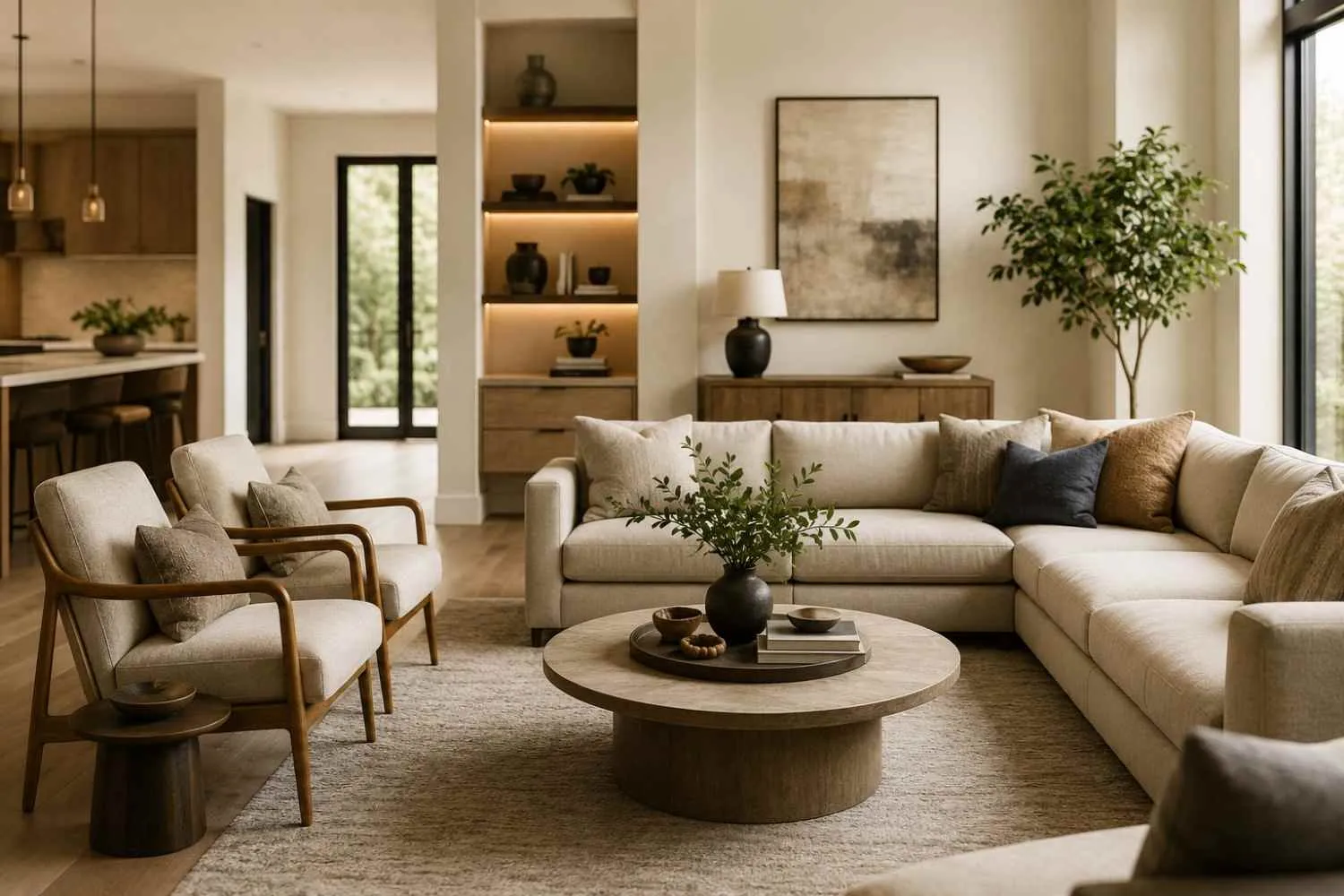
Modern interiors often have plenty of clean lines and neutral surfaces. A completely plain room can look elegant, but it can also feel a little too controlled.
This is where block printing works surprisingly well.
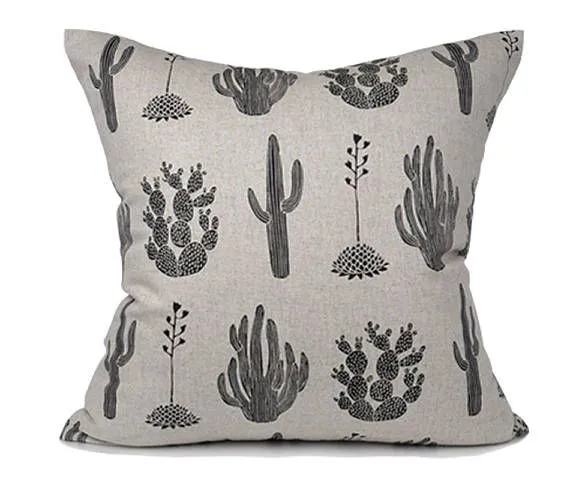
A detailed floral pattern can soften a sharp-edged sofa. A small geometric motif can add interest without taking over the room. Even a muted block print can give a neutral space the one layer of visual detail it was missing.
The trick is not to fill the room with prints.
One or two thoughtfully chosen pieces can often do more than an entire matching collection.
Block Print Cushion Covers: An Easy Starting Point
If you want to bring Indian block printing into a contemporary home without changing the furniture, cushions are probably the easiest place to start.
Block print cushion covers allow you to experiment without making a permanent commitment. Change the covers with the season, move them between rooms or simply replace them when you want the sofa to feel different.
A useful combination is:
- One cushion with a noticeable floral or botanical print
- One cushion in a plain or textured fabric
- One smaller cushion that picks up a colour from the main print
The result feels collected rather than perfectly coordinated.
For example, a muted green floral cushion can work beautifully beside an ivory linen cushion and a smaller mustard accent. The colours connect the pieces, while the different fabrics keep them from looking like a matching set.
Deodar's cushion collection brings together hand-block-printed designs with other textile treatments such as linen, velvet and handwoven fabrics, making this kind of mix easier to achieve.
Traditional Patterns, Modern Colour Choices
You don't have to use the strongest traditional colours to enjoy a traditional printing technique.
Today's interiors often lean towards softer combinations such as:
- Indigo and natural white
- Sage and beige
- Rust and cream
- Mustard and ivory
- Deep blue and muted grey
These combinations allow traditional motifs to sit comfortably beside contemporary furniture.
The same floral print can feel completely different depending on the colour and scale. A large, high-contrast pattern may become the focal point of a sofa, while a smaller repeated motif can almost behave like a subtle texture from across the room.
Let the Handmade Character Show
One thing worth remembering when buying block-printed textiles is that handmade does not mean perfectly identical.
You may notice a slight difference in where a motif lands or how deeply a colour appears in one section of the fabric. That is part of the process rather than something that needs to be hidden.
In a home filled with factory-perfect surfaces, these small variations can actually make a space feel warmer.
They also give the textile a sense of individuality. Two cushions with the same design can look subtly different, and that is part of what makes them feel handmade.
How to Mix Block Prints Without Making a Room Busy
The easiest rule is to let one print lead and allow everything around it to support it.
If the sofa already has a strong floral cushion, don't put another equally busy pattern directly beside it. Bring in a stripe, plain linen or woven texture instead.
You can also repeat a colour rather than repeating the pattern.
A rust shade appearing in a cushion can quietly return in a rug, artwork or ceramic accessory. The room feels connected without looking deliberately “matched.”
And don't underestimate empty space. Leaving part of the sofa, chair or bed uncovered gives the patterns room to breathe.
More Than Just Decoration
The renewed interest in Indian block printing is not simply about making old designs fashionable again. It reflects a wider appreciation for materials that show how they were made.
A block-printed cushion isn't just another splash of colour. It brings together fabric, carved wood, dye, repetition and skilled handwork in one relatively small object.
That makes it particularly useful in modern interiors, where a few meaningful details can have more impact than a room filled with decorative accessories.
Conclusion
Indian block printing has travelled from traditional textile centres to contemporary homes without losing the handmade quality that made it special in the first place. Whether you start with one cushion or build a larger textile story, the best results come from allowing the print to complement the room rather than trying to make everything match.
Would you bring a traditional Indian block print into a modern space? Tell us which room you would start with in the comments.
FAQs
Can block print cushion covers work with modern furniture?
Yes. Floral, geometric and botanical prints can add warmth and contrast to contemporary sofas and chairs, particularly when the surrounding furniture is relatively simple.
Do block prints need to match other textiles?
Not at all. Repeating a colour or texture is usually enough to connect different pieces. Exact pattern matching can make the arrangement feel too coordinated.
Are variations normal in hand-block-printed fabric?
Yes. Slight differences in print placement or colour depth can occur because the pattern is applied by hand. These variations are part of its handmade character.
How can I use block prints without making my room look traditional?
Start small. A single cushion, pair of cushion covers or table textile can introduce the craft while your existing contemporary furniture keeps the overall look modern.

























Sign in to leave a comment.