

Not all technology partners understand project delivery the way AI consulting engineering Australia specialists with real industry backgrounds do. The strongest AI consulting engineering Australia providers are often led by former engineers who have lived the admin burden they now help solve. This hands-on background is why AI consulting engineering Australia engagements tend to focus on practical fixes rather than theoretical technology. Businesses choosing an AI consulting engineering Australia partner increasingly prioritise industry experience over generic software credentials. As the sector matures, AI consulting engineering Australia firms with genuine site knowledge are becoming the preferred choice for engineering and construction leaders.
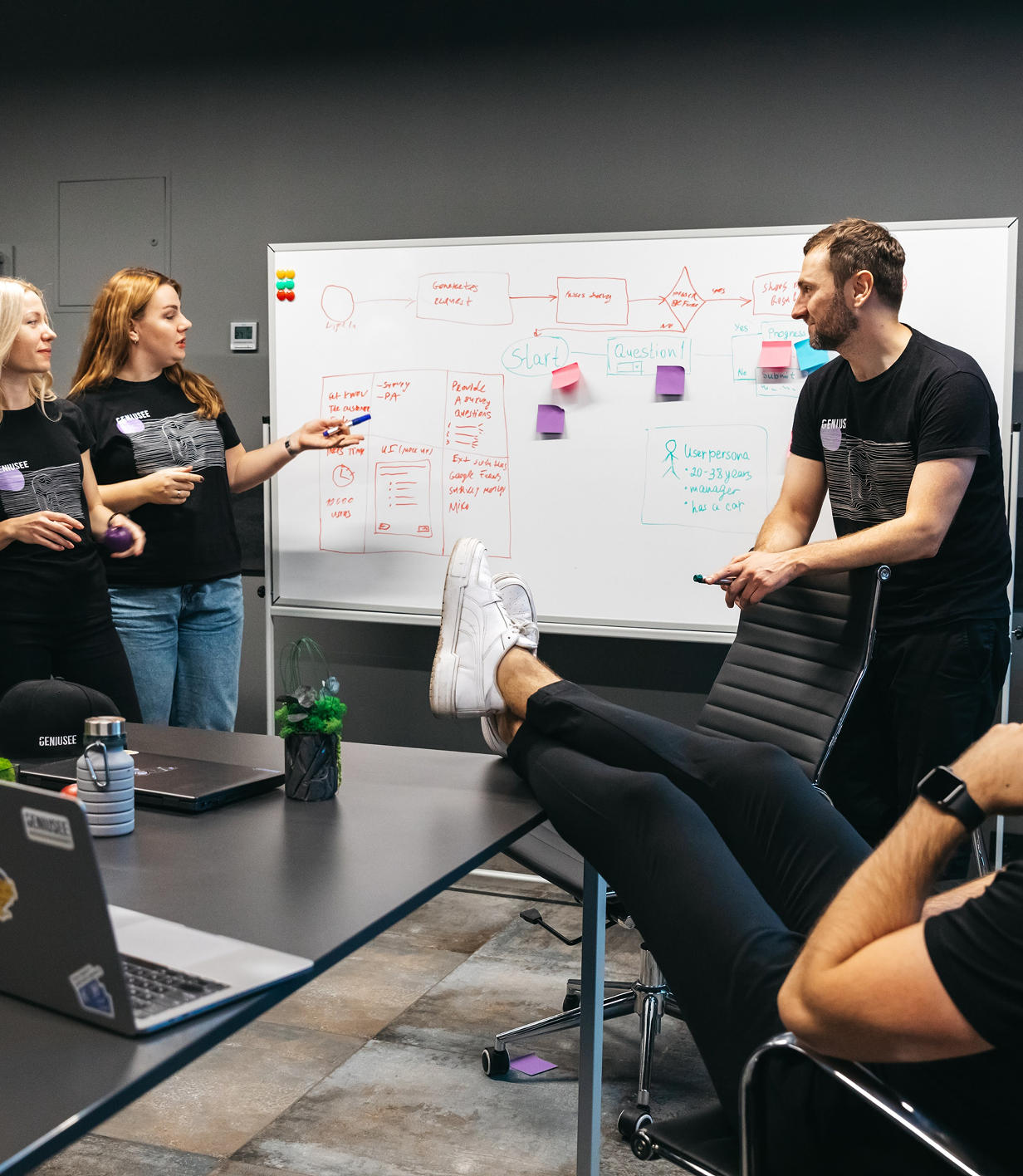
When engineering and construction businesses first consider bringing in outside help for automation or AI, a common concern surfaces quickly: will this provider actually understand how our industry works? It's a fair question. Many technology consultants have strong software credentials but little to no direct experience with tender deadlines, compliance reporting, or the pressure of delivering a project on a fixed budget and timeline.
This gap matters more than it might seem. A system built by someone who has never worked on a construction site or managed a mining services contract is likely to miss the nuances that make or break adoption. It might automate a process technically correctly while still failing to account for how approvals actually move through a business, or how site teams communicate with head office. The result is often a tool that looks good in a demo but doesn't get used in practice.
This is why a growing number of firms are specifically seeking out consultants with direct project delivery backgrounds — people who have personally dealt with the admin burden they're now being asked to solve. Teams built around former engineers, project managers, and site-based professionals tend to design systems differently. They know which approvals genuinely need multiple sign-offs and which are just bureaucratic holdovers. They understand why document version control matters when drawings change mid-project. They've felt the pressure of a Friday deadline with incomplete data.
That experience shapes not just what gets built, but how it gets implemented. Rollouts tend to be more measured, with a stronger focus on integration into existing tools rather than forcing teams onto unfamiliar platforms. Training and adoption get treated as seriously as the technical build itself, because a system nobody uses delivers no return regardless of its capability.
For engineering and construction leaders evaluating potential partners, this distinction is increasingly part of the decision-making process. Questions about a provider's industry background, past project types, and understanding of compliance requirements are becoming standard parts of vendor conversations — not afterthoughts.
As automation becomes more common across the sector, the providers who combine technical capability with genuine site experience are likely to be the ones businesses trust with their most critical workflows. Software alone has never been the hard part. Understanding the industry it's meant to serve is.


























Sign in to leave a comment.