
Australia offers endless opportunities for road trips, remote camping, and extended touring. From coastal tracks and bush camps to long outback routes, travelling away from established campsites requires a setup that can provide both mobility and a comfortable place to stay.
A dual cab camper in Australia can combine the practicality of a truck with dedicated accommodation carried directly on the tray. This setup can be useful for travellers who want sleeping, cooking, storage, water, and power in one vehicle without towing a separate camper trailer.
However, choosing the right setup requires more than looking at the interior design. Vehicle capacity, tray dimensions, weight, living space, storage, water, power, and intended travel conditions should all be considered before making a decision.
Why Choose a Dual Cab Camper for Australian Travel?
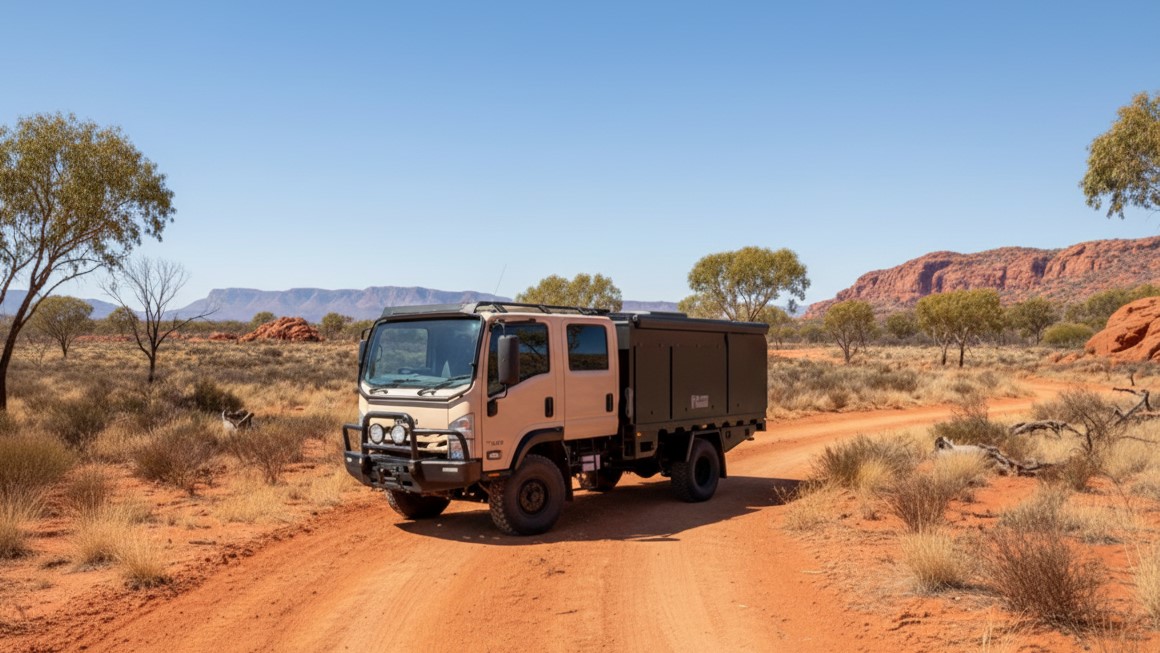
A dual-cab truck provides space for passengers while the tray can carry a dedicated camping setup. This makes it possible to keep the vehicle and accommodation together as one touring unit.
For Australian travellers, this can be useful when travelling through areas where campsites and facilities may be limited. A suitable dual cab camper can provide a place to sleep, prepare meals, store equipment, and manage daily needs without depending entirely on established camping facilities.
The setup can also suit different types of travel. Some travellers may use their camper for weekend trips, while others may spend weeks travelling between remote destinations.
The important consideration is whether the complete vehicle and camper combination suits the type of journey being planned.
How Your Truck Affects Your Camper Setup
The truck should always be considered before selecting a camper. Payload capacity, tray size, mounting points, axle limits, and overall dimensions can all affect compatibility.
The camper's advertised weight is only part of the calculation. Water, food, batteries, fuel, clothing, recovery equipment, cooking gear, and other belongings add to the final travelling weight.
Tray dimensions also need to match the camper. A suitable mounting system is essential for keeping the camper secure while travelling on sealed roads, gravel roads, and suitable off-road routes.
Travellers considering a slide on camper dual cab should check the truck manufacturer's specifications as well as the camper requirements. Professional advice may also be useful when confirming that the complete setup is suitable for the intended vehicle.
Water and Power for Off-Grid Australian Camping
Water and electricity are two of the most important systems for travellers who plan to spend time away from powered campsites.
Water may be required for drinking, cooking, washing, cleaning, and showering. The amount needed depends on the number of people travelling and the length of time between opportunities to refill.
Power requirements also vary. Refrigeration, lighting, fans, pumps, device charging, cooking appliances, heating, and cooling can all contribute to daily energy use.
A capable dual cab slide on camper may incorporate larger water storage and solar charging to support extended off-grid travel. However, increased capacity also adds weight, so water and electrical systems should be assessed as part of the complete vehicle setup.
Understanding your daily consumption can help you determine what capacity you actually need.
Storage Solutions for Extended Camping Trips
Extended Australian travel often means carrying a wide range of equipment. Food, clothing, tools, cooking supplies, recovery equipment, spare parts, and outdoor gear all need somewhere to go.
Good storage is not only about capacity. Accessibility matters too. Frequently used items should be easy to reach, while heavier or less frequently needed equipment can be kept in more secure storage areas.
Think about what you normally take on a trip and where each item will be kept. This can help you identify whether the camper's storage arrangement is practical for your travel routine.
External storage can also help keep bulky or dirty equipment away from the main living area, helping the interior remain organised during longer journeys.
Preparing Your Camper for Remote Australian Roads
Australian travel can involve long distances, rough surfaces, dust, heat, rain, and changing temperatures. Remote routes may also mean travelling for extended periods without easy access to mechanical services or supplies.
Before heading away, consider the type of roads you expect to use and whether the complete vehicle setup is appropriate for those conditions.
Weight distribution is particularly important when a camper is mounted on a truck tray. The load should be properly managed within the vehicle's specifications, while equipment should be secured to reduce movement during travel.
Preparing for remote travel also means thinking beyond the camper itself. Recovery equipment, communication equipment, spare supplies, navigation tools, and emergency provisions may all be relevant depending on the destination.
Essential Features for a dual cab camper in Australia
Different travellers will have different priorities, but several areas deserve attention when comparing camper setups.
These may include:
- Water capacity: Useful for travellers spending several days away from reliable water sources.
- Solar and electrical systems: Important for maintaining power when mains electricity is unavailable.
- Sleeping arrangements: A comfortable sleeping area becomes increasingly valuable on longer trips.
- Cooking facilities: Practical cooking space can reduce reliance on external facilities.
- Storage: Dedicated storage helps keep food, clothing, tools, and camping equipment organised.
The right combination depends on your travel habits, vehicle, trip length, and preferred destinations. More features are not always better if they add weight without providing real value for your style of travel.
How to Plan a Camper Setup Around Your Travel Style
There is no single camper configuration that suits every Australian traveller.
Someone who mainly visits established campsites may have different priorities from someone who regularly travels into remote areas. Similarly, a couple taking long trips may need a different layout from a family using the camper for shorter adventures.
Think about your typical journey before deciding on equipment. Consider the distances you travel, the climate, the roads, the amount of equipment you carry, and how long you usually remain away from services.
This approach can help you create a camper setup that supports your actual travel rather than paying for features you may rarely use.
Making Remote Travel More Comfortable and Practical
A well-planned dual cab camper in Australia can turn a truck tray into a practical base for exploring Australia's remote areas. The combination of vehicle capability, dedicated accommodation, storage, water, and power can support travellers who want greater independence on the road.
For those researching a crew cab truck setup or a dual cab slide on camper, it is important to look at the complete combination rather than judging a camper by one feature. Vehicle capacity, layout, weight, storage, water, power, and intended travel conditions all need to work together.
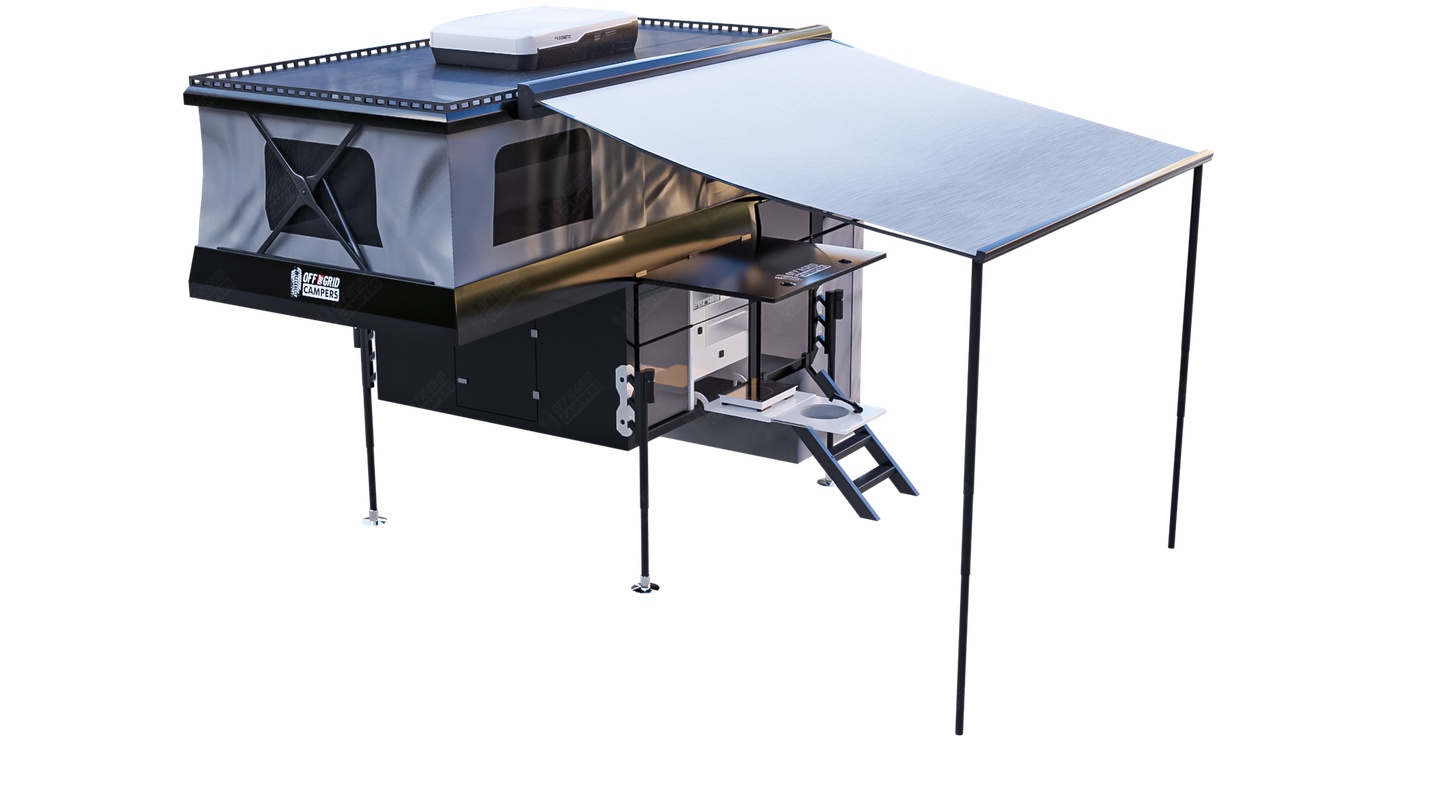
Off The Grid Campers offers dual-cab truck camper solutions for travellers looking for practical accommodation and off-grid capability. The Dual-Cab XL is designed around extended touring, with dedicated living space, storage, water capacity, solar power, and facilities intended to support remote Australian travel.




























Sign in to leave a comment.