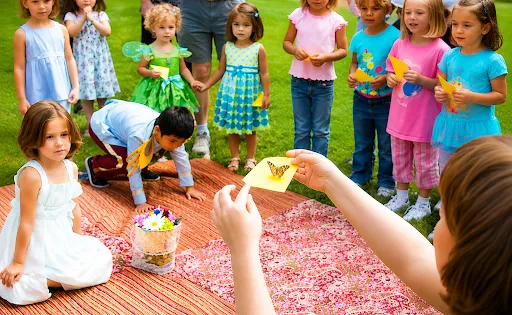

Memorial services often include symbolic gestures that help families honor a loved one in a personal and reflective way. One such gesture is the release of funeral butterflies, which can represent transformation, remembrance, hope, and the continuation of life. Unlike flowers or candles, a butterfly release introduces a living element into the ceremony, creating a quiet moment in which guests can pause, reflect, and say goodbye. However, a successful release requires thoughtful preparation, including appropriate weather, suitable species, careful handling, event timing, and a safe outdoor environment.
Why Are Butterflies Used at Funerals and Memorials?
Butterflies have long been associated with change and transformation because of their life cycle from caterpillar to chrysalis and finally to winged adult.
For many families, this natural transformation carries symbolic meaning during a memorial service. The release can represent freedom, transition, remembrance, or the beginning of a new stage beyond physical life.
Using funeral butterflies can also create a shared ceremonial moment. Instead of simply observing a memorial activity, family members and guests can participate directly by releasing individual butterflies or gathering together for one coordinated release.
The symbolism can be adapted to different beliefs and traditions, making butterfly releases suitable for both religious and nonreligious ceremonies.
When Should a Butterfly Release Take Place?
Timing should be planned around both the memorial schedule and the needs of the butterflies.
Many families choose to release butterflies:
- At the end of a funeral service
- After a graveside ceremony
- During a celebration of life
- Following a reading or prayer
- During a private family gathering
- On an anniversary of a loved one's passing
If the service includes several formal elements, the release can provide a natural closing moment.
However, funeral butterflies should generally be released during daylight hours when temperatures are suitable for flight. A late-evening release may leave the butterflies with limited time to find food and shelter before temperatures drop.
Why Does Weather Matter for a Memorial Release?
Butterflies depend on external warmth to remain active.
Cold, rainy, or extremely windy conditions can interfere with normal flight. A successful outdoor release usually requires dry weather, suitable temperatures, and relatively calm wind.
Event organizers should check the forecast close to the memorial date rather than assuming conditions will be suitable based on the season.
A backup plan is especially helpful.
If poor weather makes releasing funeral butterflies unsafe, families may choose to delay the release or schedule it for another meaningful time rather than forcing the ceremony to happen under unsuitable conditions.
The symbolic value of the moment is not diminished by prioritizing responsible handling.
Individual Release or Group Release: Which Is Better?
Both options can create meaningful experiences.
An individual release provides each selected participant with a butterfly in a separate container. Guests may open their containers together or one at a time.
This format can work well when close family members want to participate personally.
A group or mass release involves several butterflies emerging from one larger container. It can create a visually striking moment and may require less coordination during a large service.
When arranging funeral butterflies, families should consider guest count, ceremony length, location, and how interactive they want the experience to be.
A smaller memorial may feel more personal with individual releases, while a larger gathering may be easier to manage with one coordinated release.
How Should Butterflies Be Handled Before the Ceremony?
Live butterflies need careful handling before release.
They may arrive in a cooled or less active state so they remain calm during transportation. Depending on supplier instructions, they may need time to gradually warm before the ceremony.
The person responsible for the release should review storage and preparation instructions well in advance.
Avoid unnecessary handling, particularly contact with the wings. Butterfly wings contain delicate scales that can be disturbed through repeated touching.
Guests should also be told not to shake the containers or attempt to force the butterflies into flight.
What Makes a Good Release Location?
The location should provide both open space and nearby natural cover.
A landscaped cemetery, memorial garden, park-like property, or outdoor venue with flowers and shrubs can provide suitable surroundings.
Avoid releasing butterflies near:
- Busy roads
- Large open bodies of water
- Strong mechanical airflow
- Areas heavily treated with pesticides
- Fully enclosed spaces
- Locations with no nearby vegetation
When planning a release of funeral butterflies, think about what happens after they leave the participants' hands.
Nearby plants, trees, and flowers can provide places for butterflies to rest, feed, and seek shelter.
What Should Guests Know Before Participating?
A short explanation before the release can prevent accidental mishandling.
Guests should be encouraged to open containers slowly and allow the butterflies to leave naturally.
If a butterfly remains on someone's hand, clothing, or the container, it may simply be warming or orienting itself. Participants should remain still rather than shaking or brushing it away.
Children can participate, but an adult should explain the process beforehand.
The release can also be accompanied by a reading, poem, moment of silence, music, or the sharing of a favorite memory.
These elements can make the release feel more intentional and connected to the person being remembered.
Can Butterfly Releases Be Personalized?
Yes. Memorial releases can be structured in many different ways.
Families may choose one butterfly for each close family member, one for each child or grandchild, or a larger group release representing the wider community of people affected by the loss.
Some ceremonies include a short statement before the butterflies are released.
Others may invite guests to silently think of a memory or message they would like to associate with the moment.
The use of funeral butterflies does not need to follow a fixed format. The ceremony can be adapted according to family preferences, cultural traditions, and the personality of the person being honored.
Why is Species Selection Important?
Not every butterfly species is appropriate for release in every location.
Species should be suitable for the local environment, and transporting live butterflies may be subject to agricultural or wildlife regulations.
Families should confirm that the supplier understands the destination and sends only species appropriate for release there.
Responsible suppliers should also provide clear information about shipping, storage, release temperatures, and handling.
Environmental suitability should take priority over choosing a species only because of its appearance.
How Far in Advance Should You Plan?
Because live butterflies require shipping and preparation, it is helpful to arrange the release in advance rather than treating it as a last-minute memorial detail.
The exact timeline depends on availability, location, quantity, and shipping requirements.
Families should provide accurate information about:
- Memorial date
- Release location
- Planned release time
- Number of participants
- Preferred release format
These details help ensure the butterflies arrive at the appropriate time and can be prepared correctly.
Conclusion
Butterfly releases can create a quiet, symbolic moment during funerals and memorial services, but successful planning requires consideration of weather, timing, species suitability, handling, and the release environment. Families should also decide whether an individual or group release best reflects the tone of the ceremony. Those researching where to buy live butterflies should look for suppliers that provide clear care instructions, responsible shipping practices, suitable species, and guidance on safe release conditions rather than making a decision based on price alone. When handled thoughtfully, funeral butterflies can help create a memorable farewell that gives family members and friends a shared moment of reflection. By prioritizing appropriate conditions and gentle handling, families can create a meaningful tribute while also respecting the living creatures involved in the ceremony.


























Sign in to leave a comment.