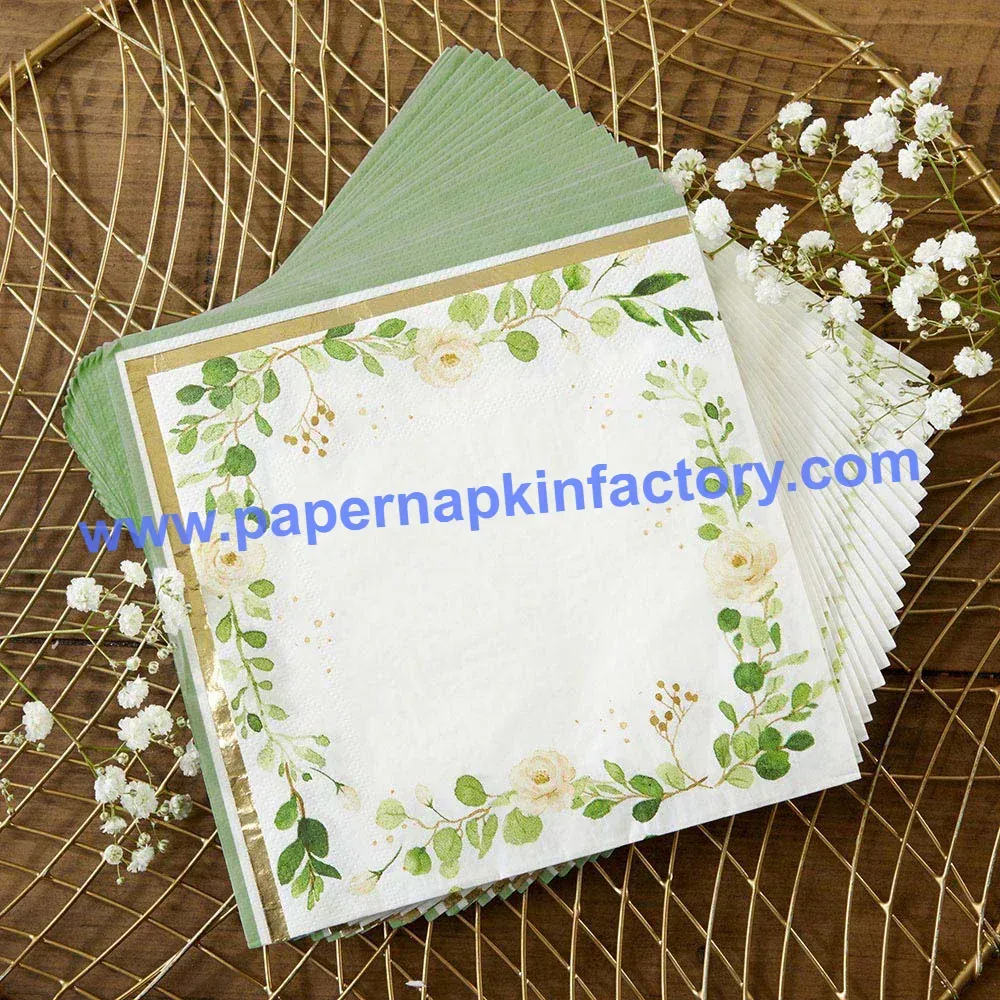

Guests rarely think about what a napkin is made of until it tears mid-wipe or feels rough against the mouth, and hosts rarely think about it until a bulk order arrives feeling thin and flimsy. The material behind a disposable party napkins product determines nearly everything about how it performs at the table, from absorbency to drape to how well a printed design holds its shape. Buyers working with papernapkinfactory discover that softness and durability are not opposing goals but outcomes of thoughtful fiber choices and manufacturing technique. What combination of materials allows a napkin to feel gentle while surviving real use?
Wood pulp forms the backbone of most disposable napkins, and the way it is processed shapes the final feel. Virgin pulp delivers long fibers that create a strong, absorbent sheet with a clean appearance. Recycled pulp offers environmental benefits and can perform well when sorted and treated carefully, though fiber length tends to shorten with each cycle, which can reduce tear resistance. Many manufacturers blend the two, using virgin fiber for strength and recycled content for sustainability, arriving at a sheet that satisfies both priorities.
Softness depends heavily on how fibers are refined and formed. Gentle refining preserves fiber length and creates a sheet that feels plush rather than papery. Aggressive refining shortens fibers and produces a denser, stiffer sheet that absorbs quickly but may feel rough. Tissue machines that form the sheet at controlled speeds and temperatures influence how fibers bond, and the resulting structure determines whether a napkin drapes softly or stands stiffly on a plate.
Layering and ply count contribute to durability without sacrificing comfort. A two-ply or three-ply napkin bonds multiple tissue sheets together, multiplying strength while keeping each layer thin and flexible. The bonding method matters, since embossing that presses layers together can create texture that feels pleasant or harsh depending on execution. Point-to-point embossing, which joins layers at small contact points, preserves loft and softness while holding the plies together through handling.
Embossing patterns do double duty, adding decorative appeal and improving function. A lightly embossed border keeps edges from curling, while an overall pattern can increase surface area for absorption. Some manufacturers apply embossing that mimics linen or lace, lending a formal look to a disposable product. The pattern depth and density affect how the napkin feels in the hand, so designers balance visual interest against tactile comfort.
Additives and treatments shape performance in ways guests notice without realizing. Food-safe dyes give printed napkins their color, and the binder that holds pigment in place must cure without stiffening the sheet. Some napkins receive a light treatment that repels moisture slightly, useful for cocktails and outdoor events, while others remain untreated for maximum absorbency. Wet-strength resins, used sparingly, help napkins hold together when wiping spills, though excess resin can make the paper feel plastic-like.
Fiber blends that include bamboo, bagasse, or other plant sources offer alternatives to wood pulp and appeal to buyers planning eco-conscious events. These fibers bring different characteristics: bamboo tends to be strong and smooth, bagasse offers good absorbency, and both can reduce reliance on tree-based pulp. Blending them with wood fiber often yields a sheet that performs comparably while supporting sustainability goals that matter to modern hosts.
Bulk buyers evaluating napkins for weddings, corporate functions, or restaurant service often test samples before committing to a large order. Folding a napkin, wetting a corner, and checking how it holds together reveals much about fiber quality and ply bonding. A napkin that feels soft but disintegrates under a spill fails the durability test, while one that resists moisture but feels like cardboard fails the comfort test. The right material balance delivers both.
FuRong, the manufacturer behind papernapkinfactory, produces disposable napkins from durable, absorbent materials with customization in size, color, and design. Their catalog covers playful patterns and elegant prints for birthdays, weddings, baby showers, and corporate gatherings, and their production supports both small orders and bulk events. Visitors can review material details and design options at https://www.papernapkinfactory.com before placing an order.
A napkin that feels soft against the skin while holding up to gravy, wine, and repeated use comes from deliberate choices about pulp, ply, embossing, and treatment, and FuRong applies that knowledge to disposable party napkins for hosts who want their tables to look and feel considered.
















Sign in to leave a comment.