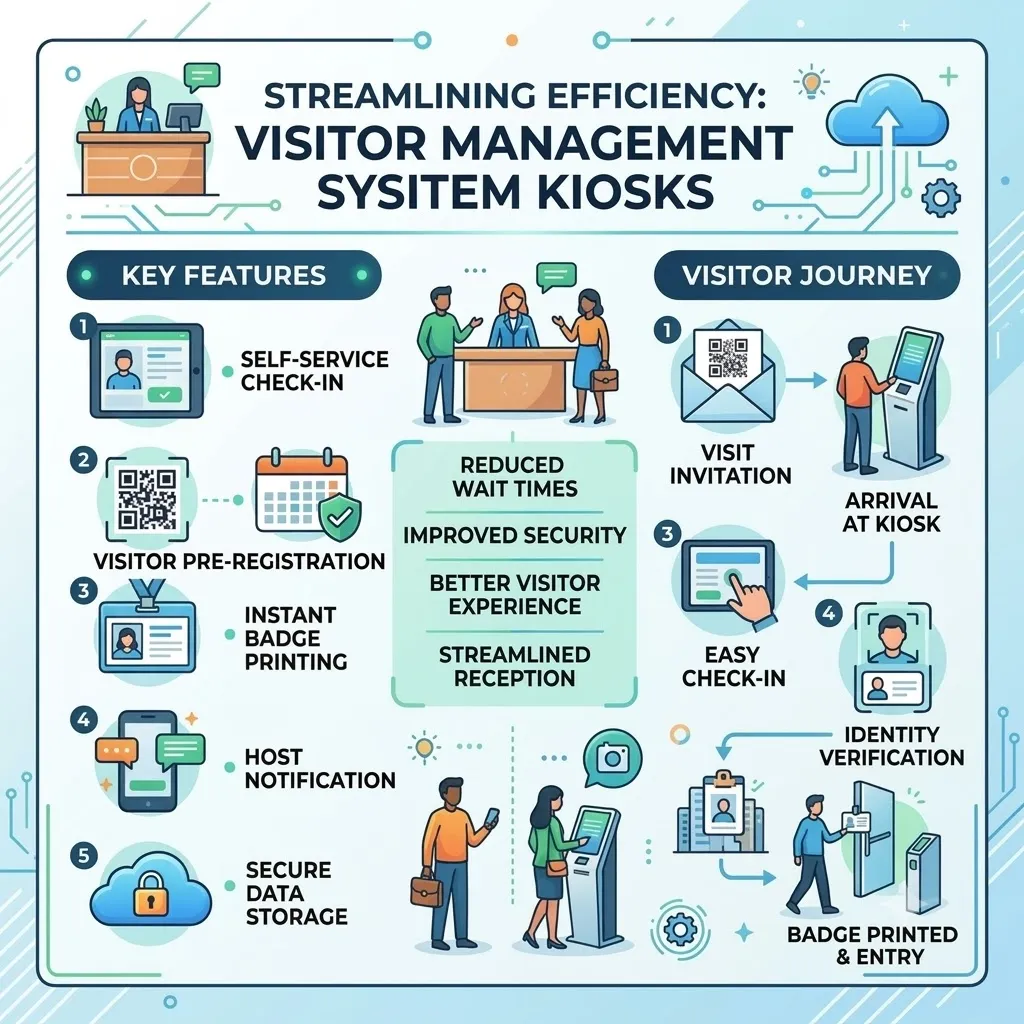

Visitor Management System Kiosks are transforming the first impression Saudi businesses give every guest, replacing paper sign-in sheets and manual reception queues with fast, self-service digital check-in. As offices, government facilities, and industrial sites across the Kingdom scale under Vision 2030, front-desk teams are under growing pressure to verify visitor identity, print credentials, and maintain a compliant record — all without slowing down arrivals. This guide explains how modern kiosk-based visitor management works and what to look for when choosing a system for your organisation.

Why Saudi Businesses Are Rethinking the Front Desk Experience
As corporate campuses, government ministries, and industrial parks across Riyadh, Jeddah, and the Eastern Province continue to expand, the traditional staffed reception desk is increasingly struggling to keep pace with visitor volume. Paper logbooks are slow to complete, easy to falsify, and nearly impossible to search during an audit or emergency evacuation headcount. Receptionists spend unnecessary time on repetitive data entry rather than higher-value guest service tasks, while unverified visitor identity remains a genuine security gap at sensitive sites. Forward-thinking organisations are now replacing this outdated process with self-service kiosks that verify identity, capture details, and issue credentials automatically — creating a faster, more professional arrival experience while closing long-standing security and compliance gaps.
What Are Visitor Management System Kiosks and How Do They Work?
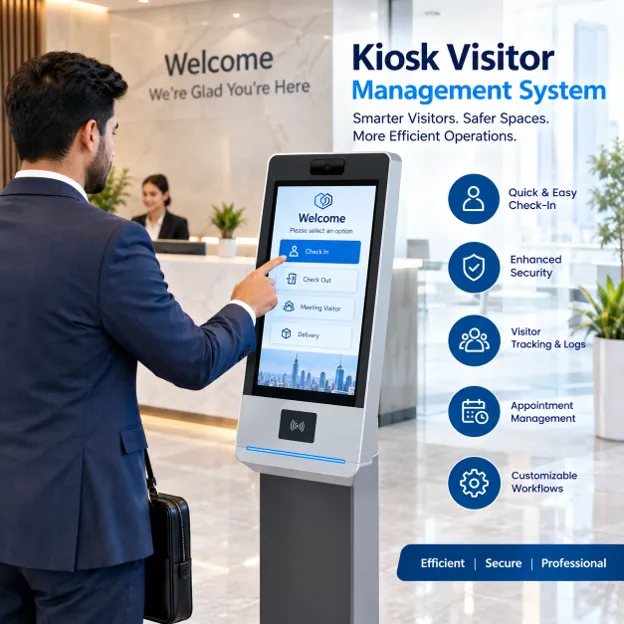
A Visitor Management System Kiosks deployment places a touchscreen terminal at the entrance of a facility, allowing an arriving guest to register their own visit without staff assistance. The kiosk typically guides the visitor through a short workflow — confirming their host, purpose of visit, and identity — before printing a badge and notifying the host that their guest has arrived. Behind the scenes, the kiosk connects to a cloud or on-premise software platform that stores visitor records, manages watchlists, and generates compliance reports, turning what was once a paper-based, manual process into a fully digital, auditable workflow that scales effortlessly from a single reception desk to dozens of entry points across a multi-building campus.
Visitor Registration Kiosk: The New Front Door for Modern Offices
Visitor Registration Kiosk installations have become the standard first touchpoint for corporate offices, business parks, and government buildings seeking a more professional, brand-consistent arrival experience. Rather than a guest waiting for a receptionist to become available, the kiosk captures the required details immediately upon arrival, reducing lobby congestion during busy morning check-in periods or large scheduled meetings. Many deployments also support pre-registration, where a host enters expected visitor details ahead of time, allowing the kiosk to simply confirm identity and print a badge in seconds rather than capturing every field from scratch on arrival.
Self-Registration Kiosk: Reducing Wait Times and Manual Data Entry
A Self-Registration Kiosk removes the receptionist from the data-entry loop entirely, allowing visitors to complete their own sign-in using a guided, step-by-step touchscreen interface. This significantly reduces average check-in time compared to manual paper logbooks, particularly during peak arrival periods such as conference days or shift changes at industrial sites. Because the visitor enters their own information directly, data accuracy also improves — eliminating the illegible handwriting and transcription errors common with paper sign-in sheets, while freeing front-desk staff to focus on hosting and guest service rather than administrative data capture.
Self Service Visitor Check-in and Checkout: End-to-End Automation
Self Service Visitor Check-in and Checkout extends automation across the entire visit lifecycle, not just arrival. Guests can check themselves out at a kiosk or via a mobile link when leaving, automatically closing their visit record and updating the live on-site occupancy count. This end-to-end visibility is particularly valuable during emergency evacuations, when facility managers need an accurate, real-time list of everyone still on-site, and for compliance reporting, where a complete record of both entry and exit times is often required. Automated checkout also prevents the common paper-logbook problem of visitors leaving without ever formally signing out.
Multi-Document ID Scanner: Verifying Identity in Seconds
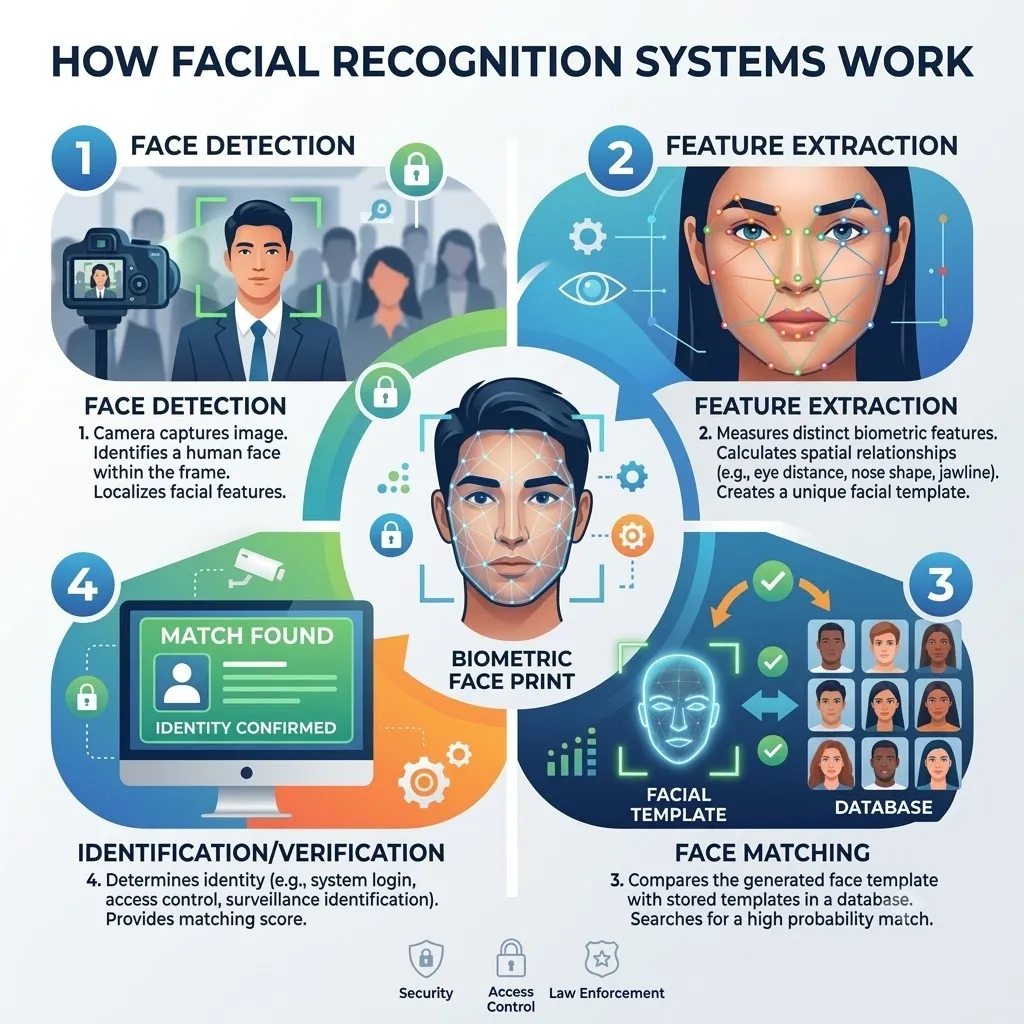
Multi-Document ID Scanner technology allows a kiosk to read and verify a wide range of identity documents — national ID cards, Iqama residency cards, GCC ID cards, and international passports — within seconds, extracting the visitor's details automatically rather than requiring manual typing. Optical character recognition combined with document-authenticity checks helps flag suspicious or altered documents, adding a genuine identity-verification layer that manual sign-in sheets never provided. For facilities hosting a mix of domestic staff, GCC business visitors, and international guests, this multi-format capability ensures no visitor type creates a bottleneck at the front desk.
Badge Printing: Instant, Professional Visitor Credentials
Once identity is verified and the visit is logged, Badge Printing completes the check-in process by producing a physical credential within seconds — typically including the visitor's name, photo, host, and visit expiry time. Time-limited or colour-coded badges make it immediately obvious to staff whether a visitor's access is still valid, adding a simple but effective visual security layer throughout the building. Many organisations also print badges with QR codes linked to the visitor's digital record, enabling fast re-verification at secondary checkpoints such as lift lobbies or restricted floors without repeating the full registration process.
Visitor Management System Kiosks KSA — National Adoption and Vision 2030
Visitor Management System Kiosks KSA deployments are accelerating as government entities, giga-projects such as NEOM, and expanding corporate campuses prioritise both security and guest experience as part of the Kingdom's broader digital transformation agenda under Vision 2030. Facilities increasingly view self-service check-in as a baseline expectation for any modern reception area, particularly as organisations align physical security practices with national data governance frameworks overseen by the Saudi Data and Artificial Intelligence Authority (SDAIA) and the Kingdom's Personal Data Protection Law.
Visitor Management System Kiosks Dubai — Regional Benchmark for Smart Reception
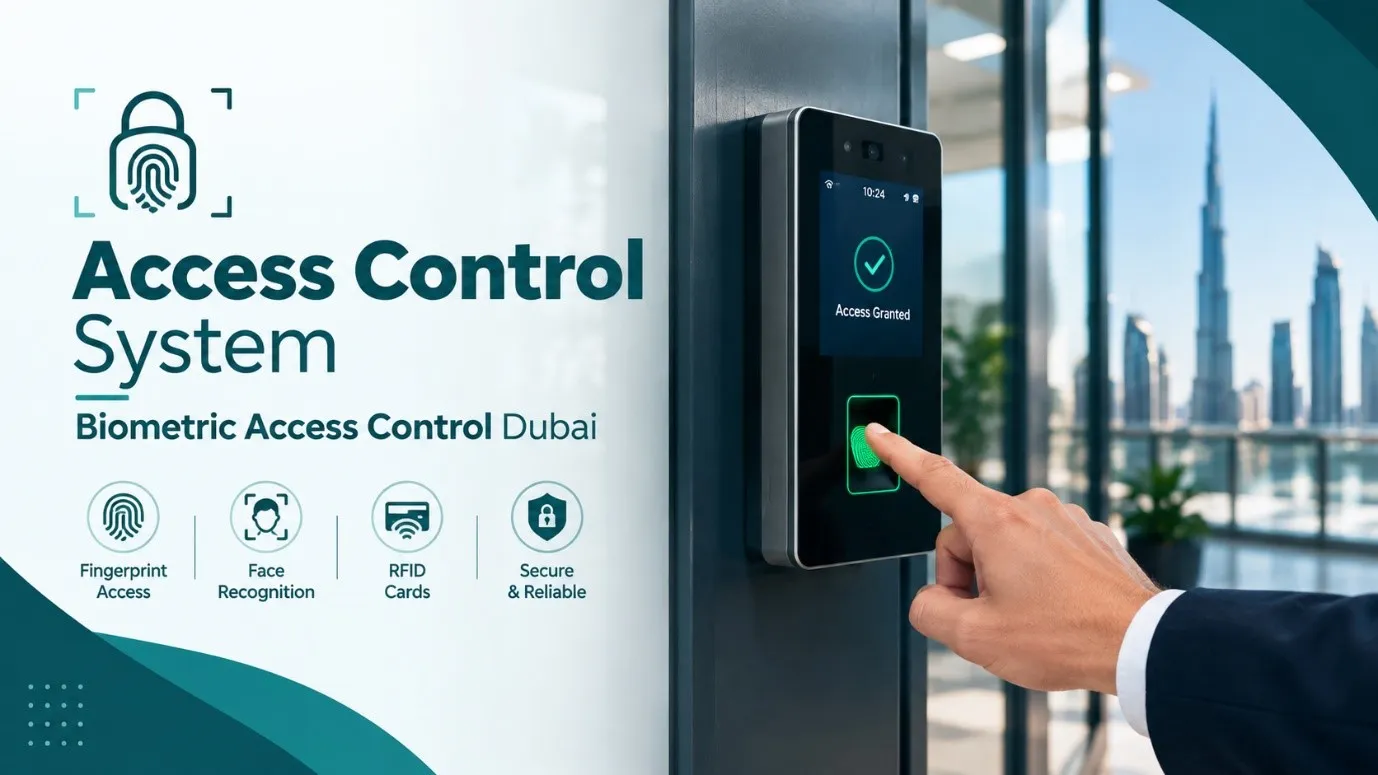
Visitor Management System Kiosks Dubai deployments are frequently cited across the GCC as a regional benchmark for smart reception design, given Dubai's early and widespread adoption of self-service technology across corporate towers, free zones, and government service centres. Saudi organisations expanding into the UAE, or benchmarking their own facilities against regional best practice, often reference Dubai's kiosk deployments when specifying requirements for badge design, multi-language support, and integration with building access-control systems, making cross-border consistency an increasingly common consideration for GCC-wide corporate groups.
Standards, Privacy, and Compliance for Visitor Data
Because visitor kiosks capture government ID data, photos, and visit records, deployments in Saudi Arabia must be designed around the Kingdom's Personal Data Protection Law from the outset. Responsible platforms encrypt stored identity data, restrict access to authorised administrators only, and enforce defined retention periods so visitor records are not kept indefinitely. Facilities in regulated sectors — government, banking, and critical infrastructure — should also confirm that watchlist screening, if used, is configured transparently and that consent language displayed at the kiosk clearly explains how a visitor's data will be used and stored.
The Technology Stack Behind Modern Visitor Kiosks
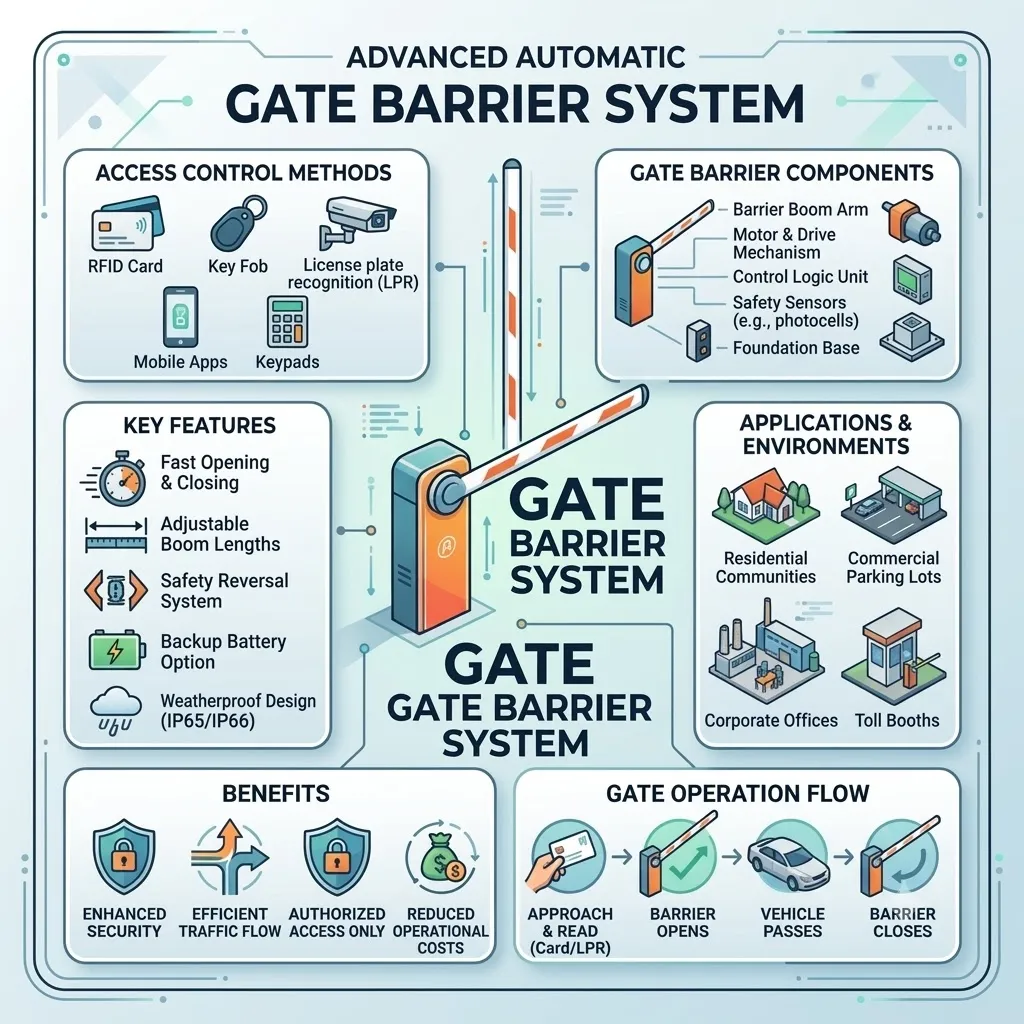
A complete deployment typically combines several layers: the touchscreen kiosk hardware itself, an integrated document scanner and camera for identity capture, a badge printer, and a cloud or on-premise software platform that manages visitor records, host notifications, and compliance reporting. Integration middleware often connects the kiosk to building access-control systems, allowing a printed badge to also unlock designated turnstiles or lifts, as well as to calendar or meeting-room booking platforms that can trigger automatic host notifications the moment a pre-registered guest checks in.
Return on Investment: Why Organisations Are Automating Visitor Check-In
The business case for kiosk-based visitor management is straightforward. Reducing the manual data-entry burden on reception staff frees them for higher-value guest-service tasks, while faster check-in reduces lobby congestion and improves the first impression made on clients, auditors, and business partners. The digital, searchable visitor record also cuts the time security teams spend responding to audit requests or investigating an incident, compared to searching through paper logbooks. For large campuses or multi-building sites, the combined savings in staff time, improved security posture, and faster emergency headcount capability typically deliver a strong return well within the system's operational lifetime.
Why Choose an Experienced Visitor Management Partner in Saudi Arabia?
Visitor management sits at the intersection of security, compliance, and guest experience, so provider track record matters as much as kiosk hardware specification. Look for a partner with documented deployments across Saudi corporate, government, and industrial clients, engineers experienced in both kiosk hardware integration and PDPL-aligned data handling, and transparent product documentation covering document-scanning accuracy and badge-printing speed. Providers offering a complete visitor management kiosk platform built for Saudi businesses bring practical regional experience — including Arabic-language kiosk interfaces, GCC ID document support, and local compliance documentation — that generic international vendors often lack. Before committing, request a live demonstration of multi-document scanning accuracy and confirm data-retention settings meet your organisation's compliance requirements.
Getting Started: What a Typical Deployment Journey Looks Like
Most organisations follow a similar rollout: a reception-area assessment to determine kiosk placement, expected visitor volume, and required document types, followed by configuration of registration workflows, host-notification rules, and badge templates matched to the organisation's branding and security policy. Integration with existing access-control or calendar systems is configured next, along with staff training on managing exceptions, VIP visitors, and watchlist alerts. After go-live, periodic software updates and document-scanner calibration checks keep the system accurate and secure as visitor volumes and site requirements evolve. Organisations exploring a proven visitor registration kiosk solution for corporate and government sites can review real deployment timelines before finalising a rollout plan.
Conclusion
Visitor Management System Kiosks have become essential infrastructure for any Saudi organisation that wants a faster, more secure, and more professional guest arrival experience. From a welcoming Visitor Registration Kiosk and efficient Self-Registration Kiosk to complete Self Service Visitor Check-in and Checkout, a reliable Multi-Document ID Scanner, and instant Badge Printing, every step of the visit is now automated and auditable. As Visitor Management System Kiosks KSA adoption grows under Vision 2030, and organisations look to benchmarks like Visitor Management System Kiosks Dubai, Saudi businesses that upgrade now gain a lasting security and guest-experience advantage.
Visitor Management System Kiosks
Visitor Registration Kiosk
Self-Registration Kiosk


























Sign in to leave a comment.