

Garmin is turning training data into eating data
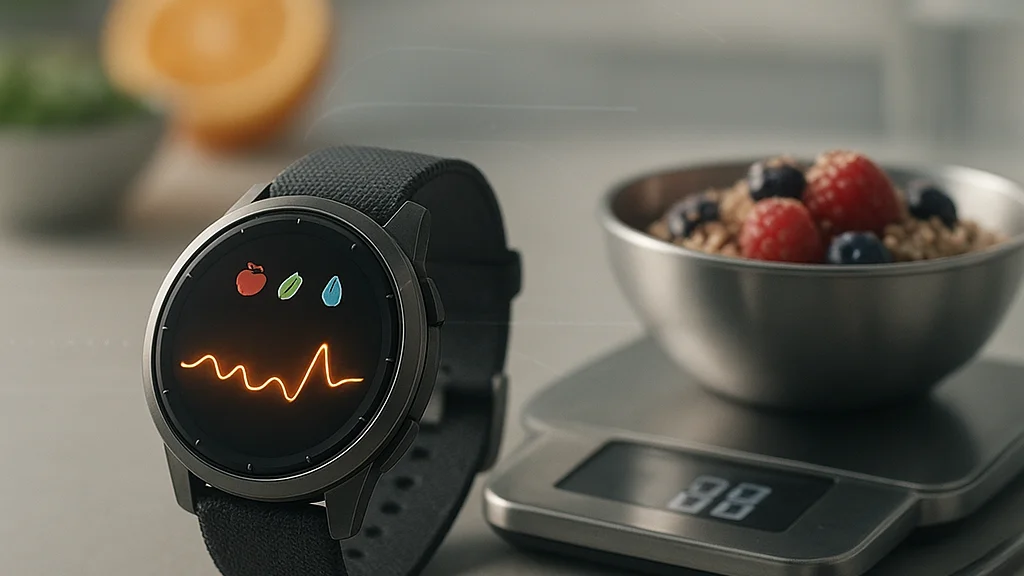
Garmin’s latest training push matters because it moves athlete tech one step closer to a long-promised idea: the watch should not only record effort, but also explain how fueling, recovery, and ordinary life shape that effort. That shift is why the company’s new emphasis on nutrition tracking and lifestyle logging deserves attention beyond endurance sport circles. For runners, cyclists, and gym users, food has always been part of performance. What changes in 2026 is the software layer. Garmin is increasingly trying to capture what happens before and after the workout, not just during it.
That may sound incremental. Actually, it is a strategic change. Wearables spent the last decade perfecting heart-rate traces, GPS routes, VO2 max estimates, and sleep scores. The next competitive frontier is context. If a hard session felt unusually difficult, was it poor carbohydrate intake, short sleep, alcohol, stress, late meals, or an under-recovered nervous system? Garmin’s newer tools suggest company understands that the useful question is no longer only what did you do? but also what supported or undermined it?
The timing is not accidental. The broader wearables market is getting more crowded and more specialized. A recent Gizmochina roundup of fitness smartwatches in 2026 framed the category around training accuracy, battery life, and health depth, which is exactly where Garmin has long competed. Meanwhile, AL.com’s report on Garmin Cirqa highlighted Garmin’s move into a screenless recovery-first tracker, a sign that the company is also chasing users who care more about readiness and habits than map screens.
Training platforms used to treat nutrition as a note in the margins. Garmin now appears to treat it as an input variable.
For a food and cooking audience, that makes this release cycle more than gadget news. It is part of a larger consumer trend: meals are being reframed as measurable performance tools. Whether that is empowering or reductive depends on execution, and on how people use the data.
How Garmin got here: from workout logs to full-life monitoring
Garmin did not arrive at nutrition and lifestyle logging from nowhere. Its product logic has been building for years through Body Battery, Training Readiness, sleep scoring, stress tracking, recovery time, race widgets, and suggested workouts. Each feature added another layer of interpretation. The watch stopped being a passive recorder and became a coach with opinions. Nutrition tracking is the next logical step because fueling is one of the few major performance variables still often left outside the device ecosystem.
Historically, athletes handled food in separate apps, notebooks, or memory. That fragmentation created blind spots. A runner could see pace decline over a block of training, but not have a structured way to connect that decline to skipped breakfasts, low daily protein, or under-fueling during long sessions. Coaches have always known those links matter. Sports dietitians have repeated the message for years: training adaptation is not only built in intervals and mileage, but also in glycogen availability, protein timing, hydration, and total energy intake.
Garmin’s advantage is that it already owns much of the surrounding data architecture. It can layer meal logs, hydration notes, or lifestyle markers onto existing metrics such as heart rate variability trends, acute load, and sleep duration. That gives the company a better chance than generic calorie counters at producing insights athletes may actually use. Readers who want a broader overview of the product direction can compare this article with Unlocking Garmin’s Latest: Nutrition Tracking and Lifestyle Logging Features, which outlines the consumer-facing pitch, and Why Garmin’s New Training Features Matter for Nutrition, which focuses more tightly on the fueling angle.
There is also a market reason for this evolution. Premium wearables can no longer rely only on hardware differentiation. GPS accuracy and optical heart-rate performance still matter, but software retention matters more. A user who logs meals, recovery habits, caffeine, and training in one ecosystem becomes stickier. That is the same retention logic that helped recovery platforms and subscription coaching apps build loyal bases in the mid-2020s.
- Phase 1: wearables measured activity minutes, steps, and heart rate.
- Phase 2: they interpreted training with readiness, load, and recovery scores.
- Phase 3: they began linking behavior outside workouts, including sleep, stress, and daily habits.
- Phase 4: now emerging, they connect fueling and lifestyle inputs to performance outputs.
That fourth phase is where Garmin is trying to plant a flag.
What the new features actually change for nutrition tracking
The headline feature set is not simply about counting calories. That distinction matters. Basic calorie logging is old software. What Garmin appears to be pursuing is a more training-aware nutrition framework, where food entries are useful because they can be matched against session demands and recovery trends. If the system is built well, it should help answer practical questions athletes and active consumers ask every week: Did I eat enough before that threshold session? Was my recovery meal too late? Am I consistently under-fueling hard days and overcompensating on rest days?
For food-focused readers, the most interesting shift is the move from generic wellness tracking to timing-sensitive fueling. A smartwatch company entering this territory changes the conversation because it encourages people to think in relation to workouts, not only total daily intake. That means breakfast before early runs, carbohydrate during long rides, sodium after heat sessions, and protein distribution across the day become visible as performance levers rather than abstract health advice.
Done right, this can be genuinely useful. Athletes often underestimate intake around demanding sessions. Recreational users do it too, especially those trying to lose weight while still increasing training volume. The result can be familiar: flat legs, elevated perceived exertion, poor sleep, irritability, stalled progress. A nutrition-aware Garmin platform could flag patterns that are obvious to a coach but not obvious to a solo user.
The most valuable food log is not the one with the most data. It is the one that explains why performance changed.
What should users look for in practice? Several capabilities would make these features meaningful:
- Meal timing against workout timing: not just what was eaten, but when relative to exercise.
- Fueling prompts for long sessions: especially for runs, rides, and races where carbohydrate intake matters.
- Hydration context: sweat-heavy sessions, hot weather, and post-workout recovery need different guidance.
- Pattern recognition: repeated low-energy days before hard sessions should trigger insight, not just sit in a diary.
- Lifestyle overlays: alcohol, travel, stress, and late meals can distort recovery signals and should be visible beside training data.
There is a caution, though. The more granular the logging, the higher the compliance burden. Many users abandon food tracking because it feels tedious or psychologically heavy. Garmin’s success will depend on whether it can make logging light enough to sustain and smart enough to reward. If users spend two weeks entering meals and get only generic advice back, they will stop. If they get a clear note that low carbohydrate intake preceded three poor interval sessions, they may keep going.
That is also why lifestyle logging matters as much as nutrition itself. Food rarely acts alone. The body experiences dinner, sleep, stress, caffeine, alcohol, and training as one system.
Lifestyle logging is the quieter feature, but maybe the bigger one
Nutrition tracking will get the headline because it is tangible. Lifestyle logging may prove more powerful because it gives Garmin a way to interpret messy human behavior that standard training metrics often miss. Endurance athletes know this problem well. You can hit the prescribed paces and still feel wrong for a week. Training plans do not know that you had a late client dinner, two glasses of wine, a transatlantic flight, and five hours of sleep. Lifestyle logs can.
Garmin has spent years building readiness-style metrics that estimate whether your body is prepared for strain. Those scores are useful, but they often feel opaque. Users see a readiness number without seeing the lived reasons behind it. Lifestyle logging can make the model legible. If a poor readiness trend sits beside logged travel, disrupted sleep, and inconsistent meals, the user gets a narrative, not just a score.
That matters for food and cooking trends because consumer nutrition is moving away from one-size-fits-all diet rules toward context-dependent eating. The same meal can be smart or suboptimal depending on timing, training load, and recovery needs. A heavy, rich dinner after a long aerobic day may be comforting and functional. The same dinner before an early interval workout may interfere with sleep or gut comfort. Lifestyle-aware platforms can surface those distinctions.
There is also a broader cultural angle. The rise of screenless wearables and recovery trackers suggests many users want less digital noise but more actionable self-knowledge. AL.com’s coverage of Garmin Cirqa described it as a screenless tracker positioned against Whoop, which signals Garmin is widening its funnel beyond hardcore GPS-watch buyers. That expansion matters because lifestyle logging is easier to sell to a broader audience than lactate-threshold charts. A user may never care about vertical oscillation, but they may care deeply about whether late-night eating or inconsistent hydration is hurting morning energy.
- For athletes: lifestyle logs can explain training variance that raw workout data cannot.
- For everyday users: they translate wellness habits into understandable cause and effect.
- For coaches: they create cleaner postmortems after bad races or flat training blocks.
- For food brands and meal planners: they reinforce the idea of meals as functional support, not only pleasure or macros.
Actually, that last point may become commercially significant. As wearables get better at identifying contexts such as pre-run breakfast, long-ride fuel, or recovery dinner, food products and meal planning services gain a more performance-literate consumer base.
What changed in 2026, and why competition forced the issue
The 2026 context is important because Garmin is not adding these features into a quiet market. The company is responding to a period where recovery, readiness, and passive habit tracking have become central selling points across wearables. The old smartwatch pitch was convenience plus notifications. The current premium fitness pitch is interpretation: tell me what to do, tell me why I feel off, tell me how to recover better. Nutrition and lifestyle logging fit that demand exactly.
Competition has sharpened the pressure. Apple remains powerful in mainstream health ecosystems. Recovery-first brands have trained users to expect daily readiness narratives. Multi-sport users still often prefer Garmin for battery life and sport depth, but that advantage alone is no longer enough. According to Gizmochina’s August 2026 smartwatch roundup, buyers are comparing devices across workout tracking, heart-rate monitoring, and broader health intelligence, not only brand loyalty. That pushes Garmin to make its platform feel more complete.
One notable 2026 development is Garmin’s willingness to segment users more precisely. A screenless product such as Cirqa, as reported by AL.com, suggests the company sees value in lower-friction recovery and habit tracking, not only full-featured training watches. That has implications for food logging. A minimalist wearable user may still want hydration, meal timing, and recovery prompts even if they do not care about maps or triathlon mode. Garmin can now build nutrition features that serve both dedicated racers and general wellness users.
Another change is behavioral. Consumers are more comfortable with logging routines if the return on effort is visible. During the early app era, food tracking often felt like punishment or weight-loss surveillance. In 2026, the framing is different for many active users. They want to know whether they are eating enough protein to recover, enough carbs to perform, and enough total energy to avoid burnout. That is a more functional, less moralized use case.
Readers looking for a more tactical walkthrough may find it useful to pair this analysis with Mastering Garmin’s New Training Features: Nutrition, Lifestyle, and Beyond and Beginners Guide to New Garmin Training Features (2026): Nutrition Tracking, Lifestyle Logging, and More. Those pieces are helpful reference points for understanding how these features may be used day to day by less technical users.
The strategic takeaway is simple: 2026 is the year Garmin’s software ambitions became easier to read. The company wants to own more of the decisions around training, eating, and recovering, not just the recording of them.
What this means for food trends, meal planning, and cooking behavior
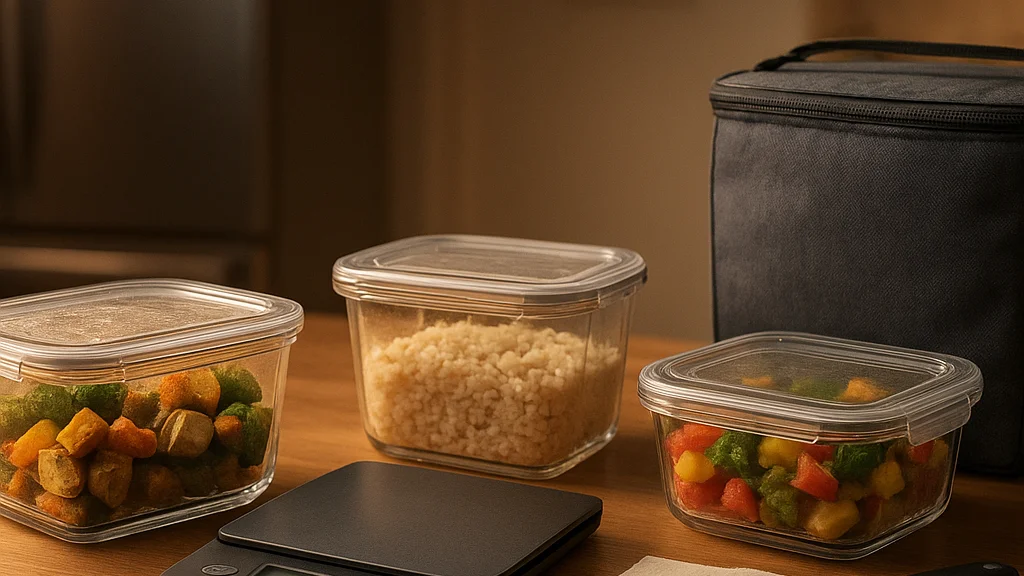
From a food and cooking perspective, Garmin’s feature set supports a trend that has been building quietly across active households: meals are being designed around training blocks with the same intentionality once reserved for race week. That does not mean everyone suddenly cooks like a pro cyclist. It means the logic of sports nutrition is moving into ordinary kitchens. Breakfast becomes pre-session fuel. Lunch becomes recovery support. Snacks become tools for bridging energy gaps instead of random convenience calories.
That shift changes what people search for, buy, and cook. High-protein recipes are already mainstream. The next layer is specificity: easy carb-forward breakfasts before morning runs, digestible lunch options between double sessions, sodium-conscious post-workout meals in hot climates, and evening meals that support recovery without compromising sleep. Garmin’s logging tools could amplify this behavior by making users more aware of patterns between certain meals and certain outcomes.
Actually, one underappreciated effect may be better meal consistency. Athletes often obsess over supplements while neglecting routine. A watch that surfaces repeated under-fueling on hard days may push users toward more predictable grocery habits: keeping oats, rice, fruit, yogurt, eggs, bread, beans, potatoes, and recovery-friendly staples on hand. For cooks, that means performance nutrition may become less about branded powders and more about structured home meals.
Here are the food behaviors Garmin-style tracking may reinforce:
- Pre-workout planning: users prepare simple, low-fiber, carb-led meals when intensity is scheduled.
- Recovery-first cooking: post-exercise meals are built around protein plus carbohydrate, not just whatever is available.
- Hydration awareness: soups, fruits, salted dishes, and fluid timing become more intentional in hot weather training blocks.
- Weekly fuel periodization: bigger training days get bigger carbohydrate support; easier days become lighter naturally.
- Reduced guesswork: people can compare how specific eating patterns align with sleep, readiness, and next-day performance.
There is, however, a line Garmin and users should respect. Food tracking can become rigid or anxious if every meal is treated as a test. The healthiest application is reflective, not punitive. Data should support better decisions, not replace appetite, culture, pleasure, or common sense. A bowl of moqueca with rice can be both meaningful food and useful fuel. Those ideas are not in conflict unless the software encourages obsession.
What athletes, coaches, and everyday users should watch next
The near-term question is not whether Garmin can add more logging fields. Any platform can do that. The real question is whether it can produce trustworthy insight from messy self-reported data. Food logs are notoriously imperfect. Lifestyle notes are subjective. If Garmin can combine those inputs with stronger passive signals such as sleep, heart rate variability, and training load, it may create a genuinely useful coaching layer. If not, the feature risks becoming another abandoned tab in the app.
Coaches will watch for signal quality. They do not need Garmin to replace judgment, but they may welcome cleaner context before athlete check-ins. A weekly review that shows poor sleep, low meal consistency, and declining readiness before a bad long run is more actionable than a complaint that the athlete “just felt off.” Sports dietitians may also find value if the platform nudges users toward basics they routinely miss: carbohydrate before intensity, protein after sessions, hydration during heat, and adequate total intake across heavy weeks.
Everyday users should watch for three practical signs that the features are worth keeping:
- Low-friction logging: entries should be fast enough to sustain for months, not days.
- Specific feedback: insights should connect behaviors to outcomes, not repeat generic wellness advice.
- Adaptive recommendations: fueling prompts should change with workout type, duration, and recovery state.
Longer term, the most interesting possibility is integration. If Garmin can connect training calendars, readiness scores, meal timing, and perhaps recipe or grocery suggestions through partners, it could influence how active consumers plan their week. That would move the company from wearable brand to behavior platform. Readers can follow the broader conversation through New Garmin Training Features (2026): Nutrition Tracking, Lifestyle Logging, and More, which tracks the release framing itself.
Garmin’s opportunity is not merely to count meals. It is to make fueling visible as part of training architecture.
My view is fairly simple. Garmin is strongest when it turns raw numbers into useful decisions. Nutrition tracking and lifestyle logging can do that if they remain practical, contextual, and humane. For athletes, that means fewer mystery bad days. For cooks and meal planners, it means a clearer link between what lands on the plate and what happens on the road, trail, bike, or gym floor. That is why these features matter. They bring food out of the margins and into the training file, where actually it belonged all along.



























Sign in to leave a comment.