Gearbox Manufacturers in India: A Complete Guide to Choosing Reliable Gearbox Suppliers


Industrial machinery depends on efficient power transmission to maintain productivity, operational stability, and consistent output. One of the most important components in this process is the gearbox, which helps control rotational speed, transmit torque, and adapt motor performance to specific machine requirements. From manufacturing plants to material handling systems, selecting the right gearbox can make a significant difference to overall equipment performance.
For businesses searching for dependable Gearbox Manufacturers in India, understanding gearbox types, selection criteria, applications, and maintenance requirements is essential. The right sourcing decision helps procurement managers, OEMs, distributors, and industrial buyers balance performance, durability, and long-term operating costs.
What Is a Gearbox and Why Is It Important?
A gearbox is a mechanical transmission system that uses gears to adjust speed and torque between a power source and driven equipment. Depending on its design and gear ratio, it can reduce rotational speed while increasing output torque, or provide the transmission characteristics required by a particular application.
Industrial gearboxes are widely used in equipment that requires controlled movement, reliable power delivery, and stable operation. Choosing a suitable gearbox helps machinery operate within its intended performance range and can reduce unnecessary mechanical stress when properly specified and maintained.
For industrial buyers, the goal is not simply to purchase a gearbox. It is to find a solution that matches the motor, load, operating environment, and production requirements.
Types of Industrial Gearboxes
Different gearbox designs serve different mechanical purposes. Understanding their characteristics helps buyers identify suitable products for their applications.
1. Helical Gearbox
Helical gearboxes use angled gear teeth that engage progressively. This design generally supports smooth power transmission and relatively quiet operation, making it suitable for many continuous-duty industrial applications.
Common uses include conveyors, packaging equipment, production machinery, and material handling systems. The final selection should consider torque requirements, operating speed, efficiency, and duty cycle.
2. Worm Gearbox
A worm gearbox uses a worm screw and worm wheel to transmit power. It is often selected when a compact arrangement and substantial speed reduction are required.
These gearboxes can be useful in conveyors, lifting-related mechanisms, and other industrial systems. Buyers should evaluate efficiency, heat generation, lubrication requirements, and whether the particular design meets the application's safety needs. Self-locking should never be assumed without checking the specific gearbox specifications.
3. Bevel Gearbox
Bevel gearboxes transmit power between shafts positioned at an angle, often at 90 degrees. They are valuable in equipment where the drive direction needs to change without compromising the mechanical layout.
Applications may include specialised machinery, processing equipment, and systems with space constraints.
4. Inline Gearbox
Inline gearboxes have input and output shafts arranged along the same general axis. Their configuration can simplify integration into machinery designed for straight-line power transmission.
They are commonly considered for conveyors, automated production lines, and other industrial drives where installation space and shaft alignment matter.
Key Factors to Consider When Choosing a Gearbox
Before placing an order with Gearbox Suppliers in India, buyers should assess the following technical and commercial factors.
- Torque and load: Determine the torque needed to start, accelerate, and continuously operate the driven equipment. Account for shock loads where applicable.
- Input and output speed: Identify the motor speed and required output speed to establish the appropriate gear ratio.
- Motor compatibility: Check mounting arrangements, shaft dimensions, power ratings, and coupling requirements.
- Operating conditions: Consider temperature, dust, moisture, vibration, and the expected daily operating hours.
- Efficiency and heat management: Select a design appropriate for the duty cycle and ensure that heat dissipation and lubrication are adequate.
- Installation space: Confirm mounting position, shaft orientation, dimensions, and accessibility for servicing.
- Maintenance and spare parts: Review lubrication intervals, seal availability, inspection requirements, and access to technical support.
These checks help reduce selection errors and support more dependable equipment operation over time.
Why Businesses Need Reliable Gearbox Manufacturers in India
India's industrial sector serves a wide range of manufacturing, infrastructure, processing, and automation requirements. Reliable Gearbox Manufacturers and established supply partners can help businesses source suitable transmission equipment for their machinery and production processes.
When evaluating a manufacturer or supplier, buyers should review product specifications, construction quality, documentation, compatibility, inspection practices, delivery capability, and after-sales assistance. Technical guidance is particularly valuable when a gearbox must operate under demanding loads or integrate with an existing motor and drive assembly.
For wholesalers and distributors, consistent product information and dependable communication also help simplify purchasing decisions and customer support.
Industrial Applications of Gearboxes
Gearboxes are used across many industries because different machines require different combinations of speed, torque, and motion control.
Common applications include:
- Manufacturing: Production lines, machine tools, and industrial equipment.
- Material handling: Conveyors, transfer systems, and handling machinery.
- Packaging: Filling, wrapping, sorting, and automated packaging lines.
- Textile processing: Equipment requiring controlled and consistent movement.
- Food and process industries: Mixing, conveying, and processing machinery, with appropriate equipment selected for the operating and hygiene requirements.
- Construction and agriculture: Machinery and drive systems that require application-specific torque and speed control.
- Automation: Mechanical drives integrated into industrial systems and production equipment.
The gearbox must be selected according to the actual working conditions rather than the industry name alone.
Premium Gearbox Solutions: Quality, Compatibility, and Performance
Businesses looking for premium gearbox solutions should evaluate more than the initial purchase price. A suitable solution combines correct sizing, compatible mounting, reliable construction, appropriate lubrication, and clear technical documentation.
An undersized gearbox may experience excessive stress, while an incorrectly selected ratio can prevent machinery from achieving its required speed. Poor alignment or unsuitable lubrication can also contribute to noise, overheating, and premature wear.
A practical procurement process includes sharing the motor rating, required output speed, operating hours, load characteristics, installation details, and environmental conditions with the supplier. This information makes technical evaluation more accurate and helps identify a gearbox that fits the intended application.
Gearbox Maintenance for Longer Service Life
Regular maintenance is essential for reliable gearbox performance. Operators should follow the manufacturer's maintenance instructions and establish inspection routines suited to the operating environment.
Important practices include checking lubricant condition and level, inspecting seals for leakage, monitoring unusual noise or vibration, checking mounting bolts, and verifying shaft alignment. Overheating, excessive noise, or a sudden change in vibration should be investigated promptly rather than ignored.
Using the recommended lubricant and replacement parts, maintaining suitable operating loads, and documenting recurring issues can help support equipment reliability and minimise avoidable interruptions.
Choose the Right Gearbox Supplier for Your Business
Selecting the right industrial gearbox is an investment in equipment performance and production continuity. Buyers should compare technical suitability, product quality, supplier responsiveness, maintenance requirements, and long-term support before making a purchasing decision.
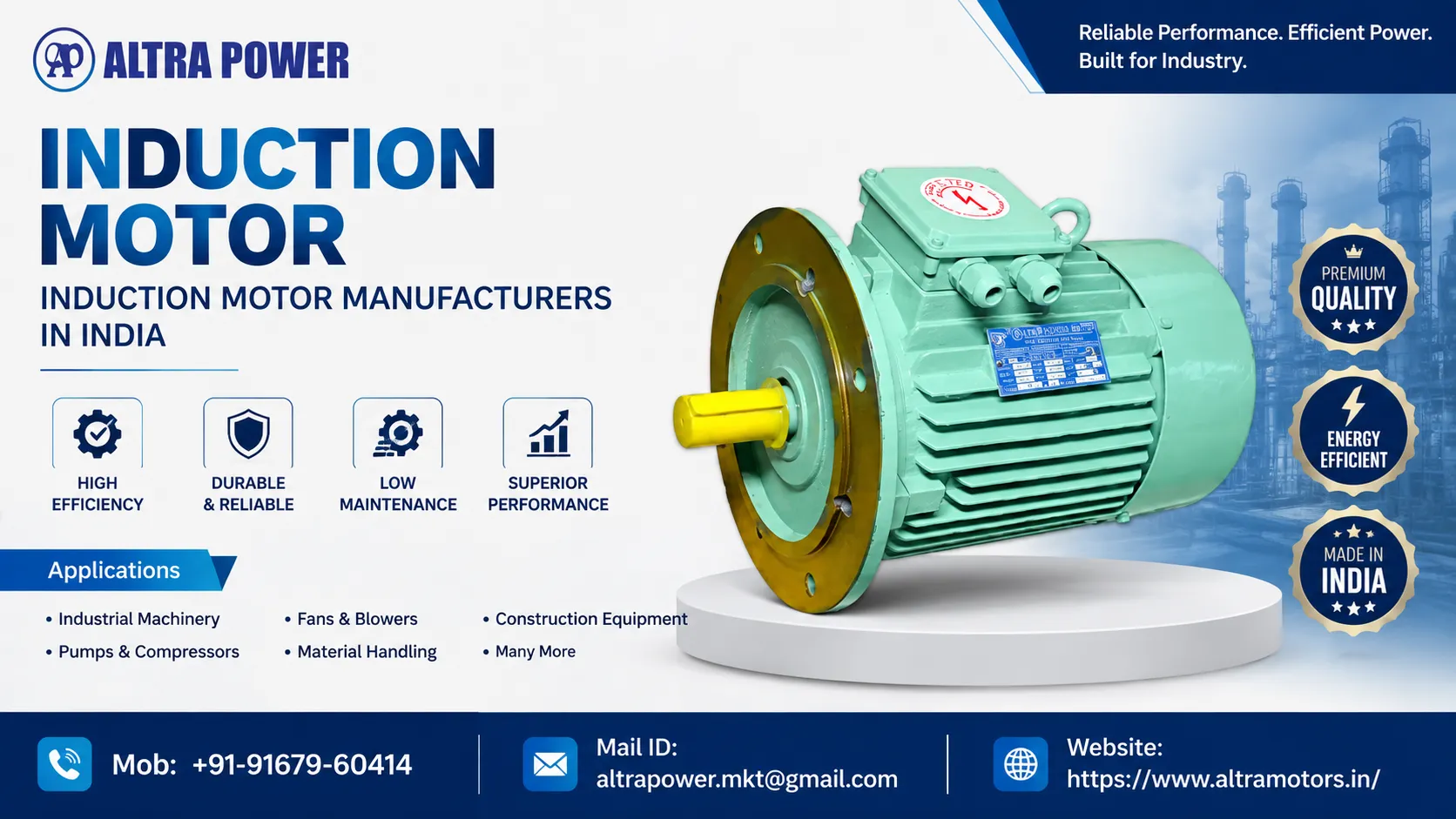
Altra Motors, part of Altra Power Electrical Industries Pvt. Ltd., provides industrial motor and gearbox solutions for a range of industrial applications. Businesses evaluating suitable transmission equipment can explore the company's industrial gearbox range to learn more about available options and discuss their application requirements.
For procurement teams, OEMs, wholesalers, and industrial users, working with a knowledgeable supplier can simplify product selection and help ensure that the chosen gearbox aligns with operational needs.
Conclusion
A well-selected gearbox supports efficient power transmission, appropriate torque delivery, and reliable machine operation. Understanding gearbox types, speed ratios, load requirements, installation conditions, and maintenance needs helps businesses make informed purchasing decisions.
When comparing Gearbox Manufacturers in India and Gearbox Suppliers in India, prioritise engineering compatibility, transparent specifications, quality assurance, and dependable technical support. With careful selection and routine maintenance, the right gearbox can contribute to improved equipment reliability and sustained industrial productivity.



Sign in to leave a comment.