
Production schedules leave little room for power interruptions, which makes generator rental for film shoots and productions an important part of planning a successful film, television, commercial, or outdoor shoot. Cameras, lighting, monitors, charging stations, production offices, catering equipment, HVAC systems, and other set infrastructure may all depend on a stable temporary power supply.
Film sets also create requirements that are different from many other temporary generator applications. A generator must provide enough capacity, but it may also need to operate quietly, remain dependable for long hours, fit into a difficult location, and receive rapid technical support if something goes wrong. Choosing the right rental equipment therefore requires more thought than simply selecting a generator with a convenient kVA rating.

Power Planning Starts Before the Equipment Arrives
The first step is to understand what the production will actually power. A shooting day may involve multiple lighting fixtures, camera equipment, video village monitors, charging stations, production trailers, air-conditioning, makeup facilities, catering, and temporary offices. The production team should create a realistic load assessment instead of estimating the generator size from only the largest piece of equipment. Running demand and starting demand can be different, particularly when motors, pumps, compressors, air-conditioning systems, or other inductive loads are involved.
A sensible operating margin is also important. Running a generator continuously at its practical limit leaves less flexibility when additional equipment is connected during a shoot. The rental supplier should receive accurate information about the expected load so that the recommended generator configuration is based on the actual production environment.
Why Noise Can Be a Bigger Problem Than Capacity
A generator can provide enough electricity and still be unsuitable for a film set if its noise interferes with recording. This is particularly important when scenes involve dialogue, live sound, interviews, or other audio that must be captured cleanly. Mechanical engine noise, cooling fans, vibration, exhaust noise, and generator placement can all contribute to the overall sound heard on set.
Where noise sensitivity is high, the production team should discuss acoustic requirements with the rental company before booking. Equipment designed for quieter operation or an appropriately enclosed generator may be considered where practical. Placement matters just as much. Increasing the physical distance between the generator and the recording area can help, provided that electrical distribution, ventilation, exhaust routing, safety, and cable requirements are still satisfied. The sound department should be involved in this decision rather than treating generator location as purely a logistics issue.
Stable Electricity Protects Expensive Equipment
Film productions often rely on high-value electronic equipment. Digital cinema cameras, monitors, lighting controllers, editing systems, wireless equipment, storage devices, computers, and other electronics can all be sensitive to unsuitable electrical conditions. Generator selection should therefore consider voltage and frequency stability as well as total output capacity. The distribution system connected to the generator is equally important because poor cabling, overloaded circuits, inadequate connections, or unsuitable distribution equipment can create problems even when the generator itself is functioning correctly.
Electrical installation should be handled by suitably qualified personnel, with appropriate protection and distribution equipment selected for the site. For important productions, it can also be useful to discuss expected power-quality requirements with the rental provider before equipment arrives.
Fuel Planning Keeps the Shoot Moving
Few things are more frustrating on a production day than an unexpected generator shutdown caused by inadequate fuel planning. The generator rental arrangement should consider operating hours, expected load, tank capacity, refueling frequency, fuel storage, and site access. Fuel consumption varies with generator size and actual load. A generator running under heavy demand for twelve hours will have very different fuel requirements from one operating lightly for the same amount of time.
The rental agreement should clearly explain whether fuel is included or supplied separately and who is responsible for refueling. For remote locations, advance planning becomes even more important because fuel deliveries may take longer and vehicle access may be restricted.
Reliability Is Part of the Production Budget
A generator problem can have consequences far beyond the repair bill. If power fails during a scheduled shoot, cameras may stop, lights may go out, equipment may need to be reset, crew members may remain idle, and valuable location time can be lost. Depending on the production, additional costs could include overtime, rescheduling, location extensions, transportation changes, or repeated setup work.
That is why reliability should be evaluated when comparing rental suppliers. Equipment condition, maintenance history, emergency response, technician availability, and replacement capability all have financial value. A rental package that costs slightly more but provides stronger support may offer greater practical security than a cheaper package with limited assistance.
Match the Generator to the Location
A generator rental for a soundstage may have very different requirements from one supporting an outdoor shoot in a remote area. Urban locations can involve restricted vehicle access, limited parking, nearby buildings, noise-sensitive neighbors, and tight setup windows. Outdoor sites may present uneven ground, dust, rain, heat, cold, or limited access to fuel and technical support.
The supplier should know the site conditions before final equipment selection. Details such as access roads, gate dimensions, generator placement area, expected weather, shooting hours, cable routes, and proximity to production equipment can affect the practical setup. A technically suitable generator that cannot be positioned efficiently is not an efficient rental solution.
Cabling and Distribution Deserve Attention
The generator provides the source of power, but the production still needs an organized way to distribute that electricity safely across the set. Long cable runs, lighting zones, camera areas, trailers, production offices, and support facilities can create complicated temporary electrical arrangements. Cable placement must also account for crew movement, vehicles, equipment cases, and other set activity.
The rental package may need to include distribution boards, suitable cables, connectors, protection equipment, and other accessories. Before the shoot begins, the electrical team should understand the complete distribution plan rather than treating accessories as last-minute additions.
Continuous Operation Requires Maintenance Planning
Some shoots operate for long hours or across multiple days. A generator that performs well on day one still needs appropriate maintenance throughout an extended rental. The rental agreement should establish who handles routine inspection, engine oil and filter servicing, coolant requirements, breakdown response, and other maintenance activities.
The production manager should also know who to contact when a warning appears or the generator behaves differently from normal. Having a clear technical contact reduces confusion when schedules are already under pressure.
Weather Can Change Generator Performance
Outdoor production is often affected by weather, and generator planning should account for those conditions. High temperatures can increase the importance of cooling and airflow. Dust can place greater demands on air filtration. Rain and moisture require suitable protection without blocking required ventilation.
Cold conditions can affect starting and battery performance in relevant climates. The generator should be positioned and protected according to manufacturer and site requirements while maintaining safe airflow and exhaust arrangements. Weather planning is especially important for productions that cannot easily relocate equipment once filming has started.
Emission-Control Equipment May Also Need Consideration
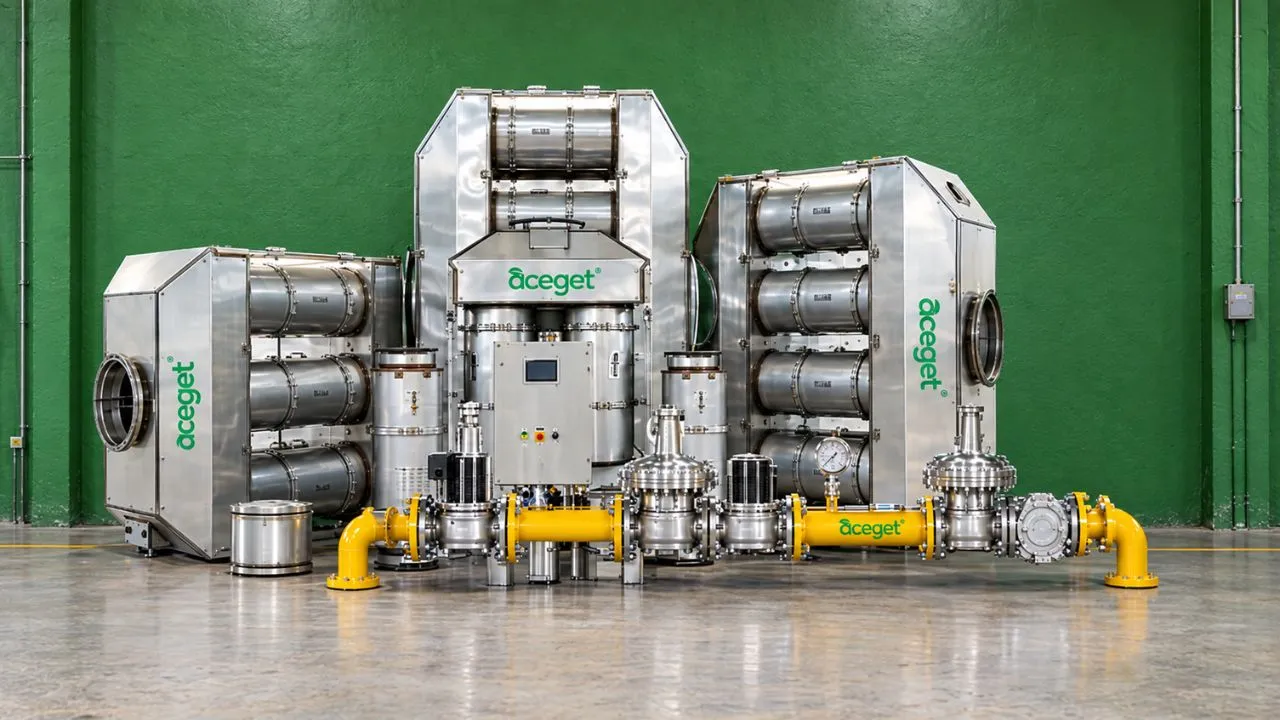
Environmental requirements can form part of generator planning, particularly for productions located in urban areas or places where specific local restrictions apply. Where emission-control equipment is relevant, consulting an experienced RECD manufacturer in India can help production teams understand options for diesel-generator applications. However, an RECD should not be treated as universally necessary or automatically suitable for every rented generator.
The applicability of emission-control equipment depends on the generator, installation, capacity, location, operating conditions, and current regulatory requirements. The rental agreement should clearly state whether any installed emissions-control system is included and who is responsible for its servicing and maintenance. CPCB requirements and related environmental directions can change. Before using or modifying emissions-control equipment, production teams should verify the latest applicable requirements directly with CPCB and, where relevant, the State Pollution Control Board, CAQM, local authorities, or another competent authority. Technical documentation, testing information, certification, and installation requirements should be reviewed for the specific generator and location.
The Rental Contract Should Protect the Production Schedule
A generator rental agreement should clearly define the equipment supplied, rental period, delivery arrangements, installation responsibility, fuel arrangements, operating-hour limits, maintenance coverage, emergency response, additional charges, and equipment return conditions.
Film schedules can change because of weather, location restrictions, talent availability, technical delays, or production changes. The contract should therefore explain what happens when the rental period needs to be extended or shortened. It is also useful to establish what happens if the generator suffers a major failure. A replacement-unit provision or defined escalation procedure can be valuable for productions where downtime would be particularly expensive.
On-Site Support Can Be Worth the Extra Cost
For a demanding shoot, having an experienced operator or technician available can make generator management considerably easier. A technician can monitor operating parameters, respond to alarms, perform routine checks, coordinate refueling, and identify emerging issues before they interrupt filming.
This is especially useful for overnight schedules or remote locations where obtaining technical assistance at short notice may be difficult. The support arrangement should be confirmed before the rental begins rather than assumed.
Plan for the End of the Shoot
Generator planning should include the final day as well. The rental provider should know when the equipment will be ready for collection and what condition is expected at handover. Fuel levels, cleaning, damage assessment, cable returns, accessory counts, and pickup access should be clearly understood.
For multi-location productions, it is also useful to establish whether the same generator can be moved directly to the next site or whether a separate transportation arrangement is required. Good end-of-rental planning prevents avoidable delays and additional charges.
Conclusion
Generator rental for film sets is a technical and production-management decision at the same time. The equipment must provide adequate power, operate reliably, fit the location, minimize disruption to sound recording, and remain supported throughout the shooting schedule. A successful rental begins with an accurate electrical load assessment and continues through careful consideration of noise, fuel, cabling, installation, weather, maintenance, emergency support, and contract terms. For film and television productions, reliability should be treated as part of the creative workflow. When the generator is properly selected and professionally managed, the production team can focus on cameras, lighting, sound, and performance rather than worrying about whether the power system will hold up. The right generator rental is therefore not simply the one with the lowest rate or largest capacity. It is the one that fits the production's power needs, location, schedule, sound requirements, and operational realities.
Frequently Asked Questions
What size generator is suitable for a film set?
The required size depends on the complete running load, starting demand, lighting equipment, HVAC, camera systems, production facilities, and other electrical requirements. A qualified professional should calculate the appropriate capacity.
Why is generator noise important during filming?
Generator engine, fan, vibration, and exhaust noise can interfere with dialogue and other recorded sound. Equipment selection and careful placement can help reduce disruption.
Who normally provides fuel during a generator rental?
It depends on the rental agreement. Fuel may be supplied by the customer, provided by the rental company, or billed separately according to the agreed terms.
What should I check before renting a generator for a remote shoot?
Consider generator capacity, fuel requirements, transportation access, sound levels, weather protection, electrical distribution, technician support, emergency response, and the availability of fuel and service facilities nearby.
Should an RECD be considered for a rented film-set generator?
It depends on the generator, location, application, and current applicable requirements. Production teams should verify current CPCB and local requirements and clarify responsibility for any emission-control equipment in the rental agreement.






















Sign in to leave a comment.