
Reliable electricity is essential on any professional production set, which makes generator rental for film shoots and productions an important part of planning a successful film, television, commercial, or outdoor video project. Cameras, lighting systems, monitors, sound equipment, charging stations, catering facilities, production offices, and crew areas can all depend on a stable power supply, particularly when shooting at remote locations.
Unlike many temporary construction applications, film and television productions can place unusual demands on generator systems. Equipment may need to operate for long hours, sensitive electronics may require stable electrical output, and noise can become a serious concern when dialogue is being recorded. Choosing a generator is therefore about much more than finding sufficient kVA capacity. The right rental needs to balance power, portability, fuel consumption, sound levels, reliability, and on-site support.

Start With the Production's Real Power Requirement
The first step is understanding what the set will actually consume. A production may use substantial lighting equipment, camera accessories, video village equipment, production trailers, HVAC systems, charging stations, and other electrical loads simultaneously. Simply adding the wattage printed on individual devices may not always provide an accurate generator requirement. Some equipment has high starting demand, while other systems have different operating characteristics. Lighting technology can also vary considerably between productions.
The production electrical team should therefore establish both expected running load and significant starting loads before the rental is finalized. Leaving an appropriate operating margin can help prevent the generator from running continuously at its limit. At the same time, unnecessarily renting a much larger generator can increase fuel consumption, transportation requirements, and overall project cost.
Quiet Operation Matters on Set
Noise is one of the biggest differences between a generator used on a construction site and one supporting a film shoot. A generator can provide excellent electrical output and still be unsuitable if its mechanical or exhaust noise interferes with recording. For dialogue-heavy scenes, interviews, synchronized sound, and quiet outdoor locations, sound levels need to be considered during equipment selection. A suitably enclosed or acoustically optimized generator may be preferable where practical.
Physical placement also matters. The generator should be positioned as far from microphones and critical production areas as site conditions permit, while still maintaining appropriate cable lengths, ventilation, exhaust arrangements, and operator access. Communication between the production team, sound department, and generator supplier before the shoot can prevent avoidable noise problems later.
Portability Can Save Valuable Production Time
Film and television productions frequently change locations, sometimes within the same day. Equipment that is easy to transport, position, connect, and refuel can therefore provide significant operational advantages. The rental provider should understand the site's road access, parking restrictions, terrain, gate dimensions, shooting schedule, and equipment movement plan.
A generator that is technically suitable but difficult to move may create delays when the production needs to relocate quickly. Transportation arrangements should therefore be considered part of the rental package rather than an afterthought. For remote locations, the logistics become even more important because fuel delivery, service access, and emergency support may not be immediately available.
Fuel Planning Should Match the Shooting Schedule
Running out of fuel during a production can disrupt an entire day's schedule. Generator rental planning should therefore account for expected operating hours, load, fuel-tank capacity, refueling arrangements, and site access. Fuel consumption varies with generator size and actual electrical demand. A machine operating lightly will not necessarily consume fuel at the same rate as one running near a substantial load.
The rental agreement should clearly state who is responsible for supplying fuel, how fuel usage is estimated or measured, and whether refueling services are available. For overnight or extended shoots, scheduled refueling can be particularly important. A realistic fuel plan helps the production team avoid both unnecessary downtime and excessive fuel inventory at the location.
Stable Power Is Essential for Sensitive Equipment
Modern productions increasingly rely on sensitive electronic equipment, including digital cinema cameras, LED lighting controllers, monitors, storage systems, wireless equipment, computers, and specialized production technology. Electrical stability therefore matters alongside total capacity. Voltage or frequency irregularities can potentially affect equipment performance and, in some circumstances, cause connected equipment to behave unpredictably.
The generator should be appropriately specified for the production's loads, with proper distribution equipment and electrical protection. Temporary electrical systems should be installed and managed by suitably qualified professionals. For high-value productions, it can also be worthwhile to discuss power-quality expectations with the rental provider before the generator arrives on site.
Consider Distribution, Not Just the Generator
A generator does not directly solve every power-distribution requirement on a film set. Depending on the production, the setup may require distribution boards, cabling, connectors, transformers, changeover equipment, extension systems, or other electrical accessories.
Cable routing deserves special attention because production locations can contain large numbers of crew members, vehicles, camera tracks, lighting stands, and temporary structures. Poorly planned cable routes can create safety hazards and interfere with the shooting environment. The rental provider should understand the expected distribution arrangement so that the generator package includes equipment appropriate for the planned load and site.
Reliability Is More Valuable Than a Cheap Quote
Film production schedules are often tightly planned. A generator failure can mean lost shooting time, crew downtime, location penalties, equipment disruption, and potentially expensive rescheduling. For this reason, rental decisions should not be based solely on the lowest advertised price. Equipment condition, maintenance history, emergency response, technician availability, and replacement capability can all have substantial financial value.
A supplier that can provide rapid technical support during the production may be preferable to one offering a slightly cheaper rental but limited assistance after delivery. The cost of several hours of production disruption can easily exceed the difference between competing rental packages.
Discuss the Production Environment in Advance
Every filming location has its own challenges. Urban shoots may have restrictions relating to vehicle access, neighbors, space, and operating hours. Outdoor locations may require greater attention to weather, dust, uneven surfaces, and temporary infrastructure. Generator placement should take account of airflow and exhaust requirements while ensuring that fumes do not enter enclosed production or crew areas.
The location team should also establish where fuel deliveries can occur, where the generator can be parked, how cables will be routed, and how emergency access will be maintained. Early coordination between the location manager, production manager, electrical team, sound department, and rental provider can make generator deployment significantly smoother.
Backup Capacity Can Be Worth Considering
Depending on the importance of the shoot, productions may choose to maintain contingency arrangements. This does not always mean renting a second full-size generator. Additional planning may involve standby support, critical-load prioritization, or access to a replacement unit in the event of a major failure.
The appropriate approach depends on the production budget, location, duration, and consequences of downtime. For a large commercial or feature-film shoot, redundancy may be more financially sensible than accepting a significant risk of production interruption.
Emission-Control Considerations for Temporary Generators
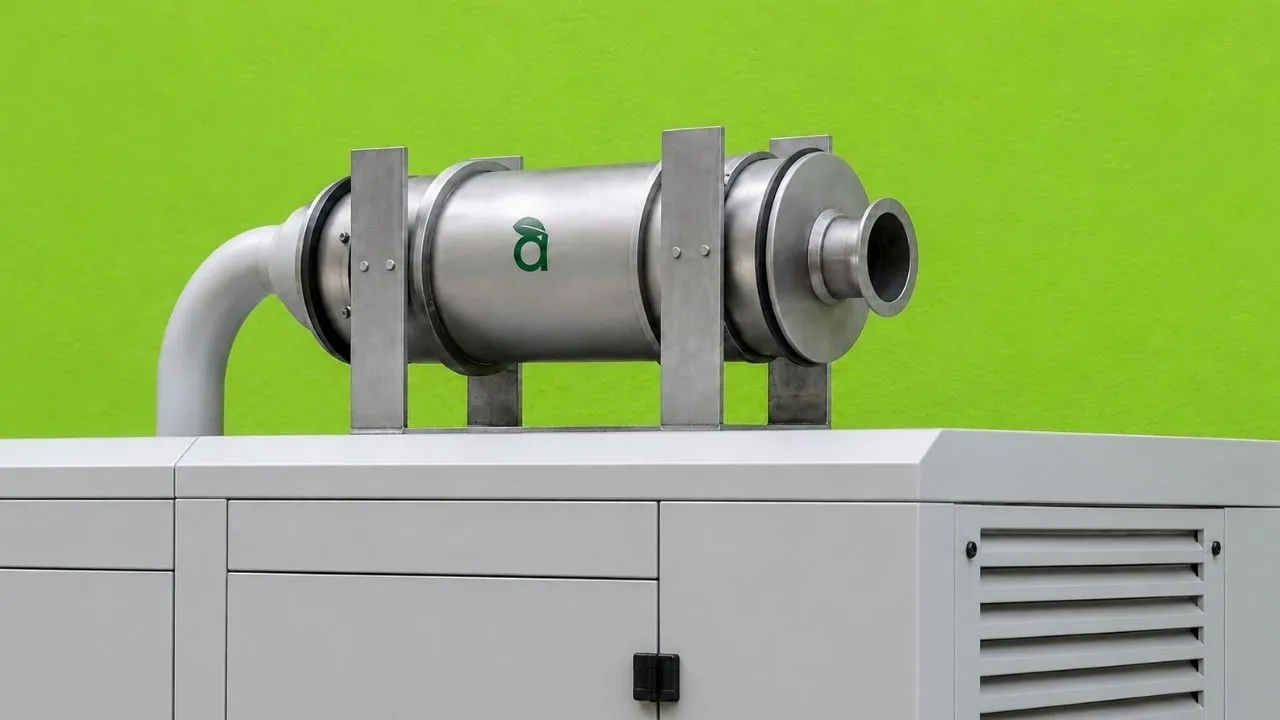
Environmental requirements may also influence generator selection, especially for productions in urban areas, restricted locations, or projects subject to specific local conditions. Where applicable, working with an experienced RECD manufacturer in India can help organizations understand emission-control equipment relevant to diesel-generator applications. However, rental customers should not assume that an emission-control device is universally required or automatically suitable for every generator.
A rental generator equipped with emissions-control technology should be evaluated against the actual generator specifications, operating conditions, location, and applicable requirements. The rental agreement should also make clear who is responsible for maintaining such equipment during the production. CPCB requirements and related environmental directions can change over time and may differ depending on generator capacity, installation, location, and application. Production teams should verify current applicable requirements directly with CPCB and, where relevant, the State Pollution Control Board, CAQM, local authorities, or another competent authority before the shoot. Any required technical documentation, testing information, certification, installation conditions, and maintenance responsibilities should be confirmed in advance.
Understand the Rental Contract Before the Shoot
The production team should review the rental agreement carefully, especially when the generator will be deployed for multiple days. The contract should clearly state the rental period, generator specifications, included accessories, fuel arrangements, delivery and pickup charges, installation responsibilities, operating-hour limits, maintenance support, emergency response, breakdown procedures, and additional charges.
It is also worth confirming what happens if the production schedule changes. Film shoots can be delayed by weather, talent availability, location problems, or technical issues, so extension and early-return terms should be understood before equipment is delivered. Clear contractual terms reduce the risk of unexpected costs in the middle of a production.
On-Site Technical Support Makes a Difference
For demanding shoots, having an experienced operator or technician available can provide significant peace of mind. A trained professional can monitor the generator, respond to alarms, manage routine checks, and address minor issues before they escalate. This can be especially valuable during overnight filming or productions running continuously across multiple shifts.
The support arrangement should be agreed with the rental provider before the shoot. Knowing who to call during a technical problem is much more useful than searching for assistance after the generator has already stopped.
Planning for Weather and Outdoor Locations
Outdoor filming introduces additional considerations such as rain, heat, dust, cold weather, and changing ground conditions. The generator should be positioned and protected according to manufacturer and site requirements without restricting required airflow or creating unsafe exhaust conditions.
Production teams should also plan for weather-related changes to electrical demand. For example, heating or cooling equipment may significantly alter the total load during long shoots. Weather planning is another reason why discussing the entire shooting environment with the rental supplier is preferable to simply ordering a generator by kVA rating.
Conclusion
Choosing a generator for a film or television production is a production-planning decision as much as an electrical one. The generator must provide adequate power while fitting the realities of the location, shooting schedule, sound requirements, transportation arrangements, and equipment sensitivity. The best rental decision starts with an accurate load assessment and continues through careful consideration of noise, fuel, distribution, reliability, technical support, site access, environmental conditions, and contract terms. For productions where every hour on set matters, reliability should be treated as a priority rather than a luxury. A properly selected and professionally supported generator can provide the dependable power needed to keep cameras rolling, lighting active, equipment charged, and the production schedule moving without unnecessary interruptions.
Frequently Asked Questions
What size generator is needed for a film shoot?
The required size depends on the combined running loads, starting requirements, power characteristics, lighting equipment, camera systems, HVAC, and other production equipment. A qualified electrical professional should assess the actual requirements before rental.
Why are quiet generators important for film production?
Generator noise can interfere with dialogue recording and other sound-sensitive scenes. Appropriate equipment selection and careful generator placement can help reduce disruption to the sound department.
Does generator rental include fuel for film shoots?
Not necessarily. Fuel arrangements vary by supplier and contract. Confirm whether fuel is included, separately billed, customer-supplied, or available through a refueling service.
What should I check in a film-production generator rental contract?
Review generator capacity, rental duration, delivery, installation, fuel responsibility, accessories, maintenance, emergency support, operating-hour terms, breakdown procedures, extension charges, and pickup conditions.
Can emission-control equipment be relevant to a rented production generator?
It can be, depending on the generator, location, application, and current applicable requirements. Production teams should verify current CPCB and local requirements and clarify responsibility for any emission-control equipment in the rental agreement.


























Sign in to leave a comment.