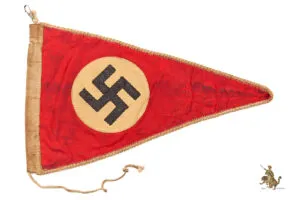

German flags represent an important part of the country’s political, cultural, and military history. Across different periods, flags and related ceremonial items were used to identify states, military units, organizations, and official institutions. Today, historical German Flags are valued by collectors for their age, design, craftsmanship, and connection to the events and traditions of the past. For collectors of military antiques and historical artifacts, these pieces can provide a tangible connection to Germany’s changing history.
A Brief History of German Flags
The history of German flags is closely connected to the development of the German states and the eventual unification of Germany. Before German unification in 1871, numerous kingdoms, duchies, principalities, and free cities had their own colors and banners. Following unification, the German Empire adopted distinctive national colors, while military and state organizations continued to use a variety of specialized flags and standards.
During the late 19th and early 20th centuries, flags became increasingly important for military identification and ceremonial occasions. Regimental colors, standards, and other decorated banners could carry symbols, inscriptions, or designs associated with specific units or institutions. These objects were often carefully manufactured and preserved because of their ceremonial importance.
The political changes of the 20th century also resulted in significant changes to German flag designs. For collectors, this makes historical flags particularly interesting because their construction, colors, symbols, and provenance can help place an artifact within a particular period.
German Military Flags and Ceremonial Items
Historical military flags were more than decorative objects. They could serve as symbols of unit identity, tradition, and ceremony. Some were displayed during official events, military ceremonies, parades, or other important occasions. Alongside flags, collectors may encounter related objects such as flag poles, pole tops, finials, and ceremonial accessories.
Pole tops and finials can be especially interesting to military antique collectors because they were designed to complement ceremonial flags and standards. Their materials, construction techniques, insignia, and condition can provide useful clues about their historical context.
Collecting German Flags
Collecting historical German Flags requires careful attention to authenticity and provenance. Because many historical designs have been reproduced over the years, collectors should consider details such as materials, stitching, construction, markings, aging, and documented history when evaluating an item.
Provenance can be particularly valuable. Documentation or a known ownership history can help establish where an artifact originated and how it was preserved. Condition is another important consideration, although signs of age and use can also contribute to the historical character of an authentic artifact.
For serious collectors, understanding the historical period represented by a flag is just as important as its physical appearance. Research into German military and political history can help place individual artifacts within their broader context.
Explore Historical German Flags and Related Artifacts
Authentic German Flags and associated ceremonial pieces offer collectors an opportunity to preserve tangible examples of Germany’s complex past. Whether you are interested in military history, historical textiles, ceremonial equipment, or German military antiques, these artifacts can provide valuable insight into the traditions and institutions that shaped different periods of history.
At Epic Artifacts, collectors can explore historical German flags, flag-related pieces, pole tops, and other military antiques selected for their historical significance, authenticity, and collector interest.
























Sign in to leave a comment.