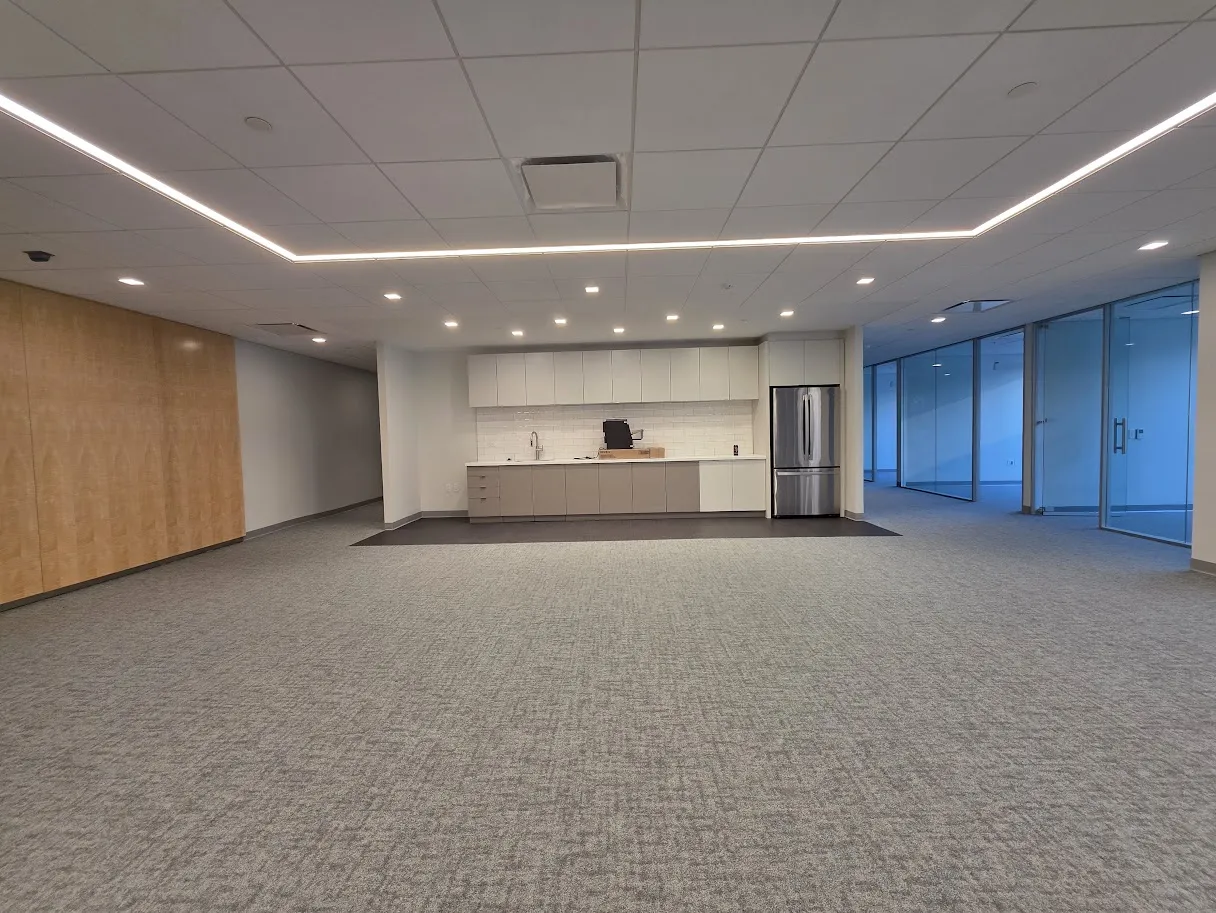


Most carpet jobs that run long don't stall because of the carpet. They stall because a crew shows up to a bedroom still full of furniture, a loading dock nobody reserved, or an old carpet with nowhere to go. A little preparation the day before fixes nearly all of that. Whether you're carpeting a Cherrydale bedroom, a Ballston condo or a Rosslyn office suite, this checklist covers what to sort out before the installers arrive for carpet installation in Arlington, VA.
One Week Out: Confirm the Details That Can't Change on the Day
Check the cushion on the order. The pad under the carpet affects how it wears and whether the warranty holds. The Carpet and Rug Institute (CRI) advises that most homes use cushion no thicker than 7/16 inch with a density of at least 6 pounds per cubic foot. Berber and other loop carpets need something firmer and thinner, generally no more than 3/8 inch. The carpet manufacturer's own cushion requirements take priority, so ask your installer to confirm the pad meets them.
Agree on where the seams go. Broadloom carpet comes in fixed roll widths, so most rooms over 12 feet across need at least one seam. Seams are least visible when they run in the same direction as the main light source and stay out of doorways and the busiest walking paths. Ask to see the seam layout before the carpet is cut.
Settle what happens to the old floor. Decide whether the crew is removing and hauling the old carpet and pad, and whether that's in the price. Then plan for anything they're not taking (more on disposal below).
Two to Three Days Out: Building Rules for Condos and Offices
In Arlington's high-rises, the building often sets the schedule, not you or the installer.
- Reserve the service elevator and loading dock. Carpet rolls are long and heavy, and many buildings only allow them in the freight elevator during set hours.
- Send the certificate of insurance early. Most property managers want the installer's insurance certificate naming the building and management company before work is allowed. Ask the manager for the exact wording and pass it to the installer.
- Confirm work hours and noise rules. Tack strip goes in with nails, and some condo boards limit that kind of noise to weekday daytime hours.
- Check the flooring rules in your condo documents. Some associations set rules on the type of floor covering or underlayment allowed in units above other units. If your building has them, get approval before the order is final.
For offices, add one more step: plan the furniture and IT move. Desks with cables, server racks and file cabinets often need a separate mover. Many commercial jobs are done after hours or on weekends to keep the office running.
The Day Before: Clear the Rooms
Move everything you can. Empty the rooms of small items, lamps, plants, breakables and anything stored under beds or in closets that are being carpeted. Ask in advance whether the crew moves heavy furniture, which pieces they won't touch (pianos, aquariums, safes and gun cabinets are common exceptions), and whether there's an extra charge.
Take down what hangs low. Long drapes and floor-length curtains should be tied up or removed so they don't get caught under the carpet stretcher.
Unplug and disconnect electronics. Unhook TVs, computers and game consoles, and label the cables so they go back the right way.
Empty closet floors. If closets are getting new carpet too, clear the floor completely, including shoes and boxes.
Plan for kids and pets. Installation involves knives, staples and tack strip with sharp pins. Keep children and pets in another part of the home or out for the day.
Disposing of Old Carpet in Arlington
Who hauls the old carpet away depends on where you live. Arlington County's curbside service covers single-family homes, duplexes and some townhouses, and the county allows bulky household items and home construction debris to be set out on regular trash day without a special request. Carpet that goes out at the curb should be rolled, cut to a manageable size and tied, following the county's preparation rules.
If you live in a condo or apartment building, the county trash service doesn't apply. Your building or HOA has its own hauler, so ask the property manager before leaving anything in a trash room or at the curb. For offices, the old carpet usually leaves with the installer or a hired hauler. Commercial haulers in Arlington must hold a county permit, so it's fair to ask whether yours does.
On Installation Day
- Be there for the walk-through at the start. Confirm the carpet color and style match the order, check the seam layout one more time, and point out any doors that will need trimming.
- Keep a clear path to the door. The crew will carry rolls in and old carpet out many times.
- Open the windows if you can. New carpet and cushion can give off a noticeable smell at first. CRI recommends fresh-air ventilation during installation and for 48 to 72 hours afterward. Carpet and cushion carrying CRI's Green Label Plus or Green Label mark have been tested for low chemical emissions.
After the Installers Leave
Walk every room with the crew lead before they go. Look for visible seams, gaps at walls, ripples, loose edges at doorways and transition strips, and doors that drag. Doors that rub may need a small trim off the bottom, which is easiest to handle while the crew is still there. Vacuum lightly in the first few days to pick up loose fibers, and keep the paperwork for both the carpet warranty and the installation warranty.
The Short Version
Confirm the pad and seam plan a week ahead, handle building approvals a few days ahead, clear the rooms the day before and decide in advance where the old carpet is going. For more on costs, fiber choices and condo rules, see this guide to carpet installation in Arlington. FIXO installs carpet for Arlington offices and commercial buildings, along with hard flooring across Northern Virginia, Maryland and DC.



















Sign in to leave a comment.