

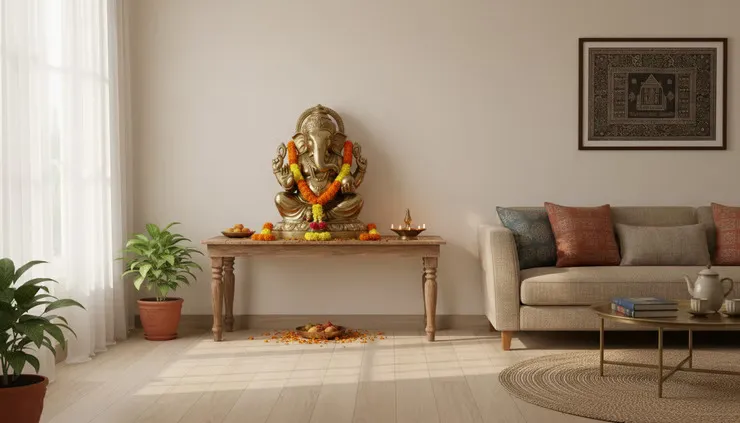
A home feels different when it holds something sacred. God Idols in Home Decor can bring a meaningful and peaceful touch to everyday spaces. A small idol on a clean shelf, a brass diya beside it, fresh flowers in a bowl, or a quiet corner for prayer can soften the atmosphere of a room almost instantly.
God idols are not only decorative objects. For many homes across India, they are reminders of faith, gratitude, protection, wisdom, and daily discipline. When chosen with care, they bring emotional warmth as well as visual beauty to living spaces.
Used thoughtfully, God idols for home decor can help create rooms that feel peaceful, personal, and deeply meaningful.
Why god idols bring meaning to a home
A home is not shaped by furniture alone. It is shaped by what people pause for, care for, and return to every day. A sacred idol offers that pause.
Placing an idol in the home can support a sense of stillness. It gives the eye a gentle focal point and gives the mind a place to settle. Even a few minutes of prayer, chanting, lighting a diya, or sitting quietly near the idol can make daily routines feel more grounded.
These idols also bring memory into decor. A marble Krishna passed down by grandparents, a clay Ganesha bought during a festival, or a brass Lakshmi chosen for a new home carries emotional value. That sense of continuity makes a space feel lived in, not just styled.
The key is intention. An idol should not look like a random showpiece squeezed between books and candles. It needs dignity, space, and care.
How to select the right idols for your space
Choosing an idol begins with the mood and purpose of the space. A large, ornate statue suits a spacious pooja room or traditional living area. A small, finely made idol may work better in a modern flat, a study nook, or a compact apartment entrance.
Look at these points before selecting one.
- Purpose
Choose an idol that reflects what the space means to you. Ganesha is often chosen for beginnings and blessings. Saraswati suits a study or music room. Lakshmi is associated with prosperity and abundance. - Material
Brass feels timeless and warm. Marble brings calmness and purity. Wood adds an earthy softness. Terracotta or clay works beautifully in homes that celebrate handmade objects. - Size
The idol should suit the surface and room. A tiny idol can get lost on a large wall unit, while an oversized statue may overpower a compact corner. - Expression and posture
A peaceful face, balanced proportions, and graceful posture matter. An idol should invite calm, not visual tension. - Craftsmanship
Well-made Religious statues for home decor age better and feel more respectful. Look for clean detailing, stable bases, and finishes that are easy to maintain.
Avoid buying only because something looks trendy. The best idol is one that feels right, fits the home, and can be cared for with respect.
Where to place god idols in the home
Placement affects both the spiritual feeling and the visual balance of a room. The idol needs a clean, calm setting where it does not feel crowded.
A dedicated pooja room is ideal when space allows. In many urban homes, a wall-mounted mandir, a carved cabinet, or a quiet shelf can work just as well.
Good placement ideas include:
- Entrance foyer
A Ganesha idol near the entrance creates a welcoming feeling. Keep the area uncluttered and well lit. - Living room corner
A console table, niche, or floating shelf can hold an idol, diya, incense holder, and flowers. This works well when the family gathers in the living room. - Study or creative space
Saraswati idols fit naturally near books, instruments, or art supplies. Keep the arrangement simple so the space stays focused. - Pooja cabinet
A closed or semi-open cabinet works well in apartments. It keeps the sacred area protected while allowing lamps, bells, and offerings to be arranged neatly. - Meditation corner
A Shiva, Buddha, or Krishna idol can anchor a quiet floor seating area with a mat, cushion, and soft lighting.
Many families prefer to place idols facing east or west, depending on tradition and home layout. Follow the customs that matter in your household. More than rigid rules, focus on cleanliness, respect, and ease of daily use.
Avoid placing idols directly on the floor, inside bathrooms, or in areas where shoes, laundry, or clutter collect. These choices help preserve the sanctity of the space.
The significance of different deities
Different idols create different emotional associations. Understanding their symbolism helps you choose with more care.
| Deity | Common significance | Where it works well |
| Ganesha | Wisdom, auspicious beginnings, removal of obstacles | Entrance, living room, study |
| Lakshmi | Prosperity, abundance, grace | Pooja room, living area, festive display |
| Saraswati | Learning, art, music, knowledge | Study, library, music room |
| Shiva | Stillness, transformation, inner strength | Meditation corner, pooja area |
| Krishna | Love, joy, devotion, playfulness | Living room, family spaces |
| Durga | Protection, courage, divine strength | Pooja room, traditional display |
| Hanuman | Devotion, discipline, courage | Prayer area, meditation space |
The meaning of an idol can also be personal. One home may keep Krishna for bhakti, another may keep Ganesha because of a family ritual, and another may keep Shiva for quiet reflection. Sacred decor feels most powerful when it connects to lived faith
.

How to blend idols with different decor styles
God idols can suit almost any interior style when the surrounding elements are chosen thoughtfully.
Modern homes
Modern decor often uses clean lines, neutral colours, and minimal furniture. A single statement idol works beautifully here. Try a brass Ganesha on a matte black console, a white marble Saraswati against a beige wall, or a simple wooden mandir with concealed lighting.
Keep the styling restrained. One diya, one flower bowl, and a soft lamp may be enough.
Traditional homes
Traditional interiors allow richer details. Brass lamps, carved wooden mandirs, bells, banana leaves during festivals, rangoli, silk backdrops, and copper vessels can all support the sacred setting.
In this style, symmetry works well. Place lamps on both sides of the idol, use framed devotional art behind it, and choose warm lighting for depth.
Minimalist homes
Minimalist decor does not mean empty or cold. It means choosing fewer things with more care. A small stone Shiva lingam, a simple Buddha statue, or a modest brass idol on a plain shelf can create a meditative mood.
Limit colours to white, wood, brass, or stone. Leave breathing space around the idol. The emptiness becomes part of the design.
Earthy and Indian contemporary homes
Terracotta idols, handwoven mats, cane baskets, stone bowls, and indoor plants create a natural, grounded look. This style suits homes that favour craft, texture, and handmade warmth.
The idol becomes part of a larger story of Indian materials and slow living.
Keep the sacred space alive with care
The beauty of a god idol grows through daily attention. Dust it gently. Refresh flowers. Clean the surface. Light a diya when possible. Avoid overcrowding the space with too many unrelated objects.
A sacred corner does not need to be expensive. It only needs to feel cared for.
Choose an idol that reflects your faith, place it with respect, and style it in a way that suits your home. When spirituality and design meet with sincerity, even the smallest corner can become a source of peace.
Frequently Asked Questions
What is the significance of having god idols in home decor?
God idols in home decor serve as reminders of faith, gratitude, and daily discipline. They create a peaceful atmosphere, allowing for moments of stillness and reflection, which can enhance the emotional warmth of a home.
How do I choose the right idol for my home?
Selecting the right idol involves considering the purpose of the space, the material, size, and craftsmanship. Choose an idol that resonates with your personal beliefs and fits harmoniously within your home’s decor style.
Where is the best place to position a god idol in my home?
The ideal placement for a god idol is in a clean, calm area where it won't feel crowded. Common locations include an entrance foyer, living room corner, or a dedicated pooja cabinet, ensuring it maintains a sense of dignity and reverence.
Can god idols fit into modern home decor styles?
Yes, god idols can complement modern decor styles when chosen thoughtfully. A single statement idol can work beautifully with clean lines and minimal furniture, creating a serene focal point in the space.
What should I avoid when placing god idols in my home?
Avoid placing god idols directly on the floor, in bathrooms, or in cluttered areas. These placements can detract from the sanctity of the space and should be approached with respect and care.
How can I maintain the beauty of my god idol over time?
To keep your god idol beautiful, gently dust it regularly, refresh flowers, and clean the surrounding area. Lighting a diya when possible and ensuring the space remains uncluttered will help preserve its sacredness.
What emotional associations do different god idols have?
Different god idols represent various emotions and attributes; for example, Ganesha symbolizes wisdom and new beginnings, while Saraswati represents learning and art. Understanding these associations can help you select an idol that resonates with your personal beliefs.




















Sign in to leave a comment.