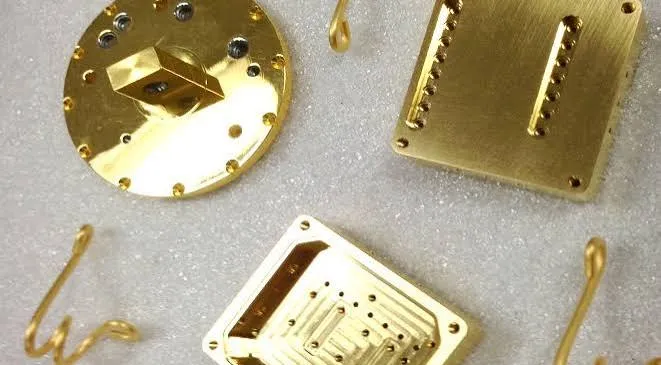

Gold plating on brass is a popular metal finishing process used to enhance the appearance, durability, and performance of brass components. By applying a thin layer of gold over a brass surface, manufacturers can achieve the luxurious appearance of gold while improving corrosion resistance, conductivity, and overall component reliability.
This process is widely used across industries such as electronics, jewellery, aerospace, decorative products, and precision manufacturing where both functionality and visual appeal are important.
What Is Gold Plating on Brass?
Gold plating on brass involves depositing a layer of gold onto a brass substrate through an electrochemical plating process. Brass, which is an alloy of copper and zinc, provides a strong and cost-effective base material, while the gold coating adds protective and performance-enhancing properties.
Since brass can naturally oxidise and develop surface tarnish over time, gold plating helps create a protective barrier that maintains the component’s finish and improves its resistance to environmental exposure.
How Does the Gold Plating Process Work on Brass?
The gold plating process requires careful surface preparation to ensure strong adhesion and a high-quality finish. The typical steps include:
1. Surface Cleaning and Preparation
The brass component is thoroughly cleaned to remove oils, dirt, oxidation, and surface contaminants. Proper preparation ensures that the gold layer bonds effectively with the substrate.
2. Base Layer Application
In many cases, a nickel or similar barrier layer is applied before gold plating. This helps prevent migration between the brass and gold layers while improving coating durability.
3. Gold Deposition
The component is placed into a gold plating solution where electrical current deposits a controlled layer of gold onto the surface. The thickness of the coating can be adjusted depending on the intended application.
4. Quality Inspection
After plating, components are inspected for coating thickness, adhesion, appearance, and overall finish quality to ensure they meet performance requirements.
Benefits of Gold Plating on Brass
1. Improved Corrosion Resistance
Gold is highly resistant to oxidation and chemical reactions. Applying a gold coating helps protect brass components from tarnishing and corrosion, especially in environments exposed to moisture or chemicals.
2. Enhanced Appearance
Gold plating gives brass components a premium, attractive finish. This makes it ideal for decorative applications, luxury products, architectural hardware, and design elements where appearance matters.
3. Better Electrical Conductivity
Gold is an excellent conductor of electricity. Gold-plated brass components can provide reliable electrical performance, making them suitable for connectors, terminals, and electronic applications.
4. Increased Durability
A properly applied gold coating improves surface protection and helps reduce wear. This allows brass components to maintain their performance and appearance for longer periods.
5. Cost-Effective Alternative to Solid Gold
Using brass as a base material with a gold coating provides the benefits of gold without the high cost and weight associated with solid gold components.
Common Applications of Gold-Plated Brass
Gold plating on brass is used in a wide range of industries, including:
- Jewellery and decorative items
- Electrical connectors and terminals
- Musical instruments
- Luxury hardware and fittings
- Automotive interior components
- Aerospace parts
- Medical and precision equipment
- Consumer electronics
The combination of brass strength and gold surface properties makes these components suitable for both functional and aesthetic applications.
Factors That Affect Gold Plating Quality
The quality and performance of gold plating depend on several factors, including:
- Surface preparation quality
- Gold coating thickness
- Type of gold plating used
- Base material condition
- Application requirements
- Environmental exposure
Choosing an experienced plating provider ensures consistent coating performance and long-lasting results.
Gold Plating on Brass vs Other Base Metals
Brass is often selected as a plating substrate because it offers good machinability, strength, and affordability. Compared with other metals, brass provides an excellent balance between cost and performance while allowing manufacturers to achieve a high-quality gold finish.
However, the correct plating process must be selected based on the final use of the component, whether it requires decorative appeal, electrical performance, or enhanced durability.
Conclusion
Gold plating on brass is an effective way to combine the strength and versatility of brass with the beauty, conductivity, and corrosion resistance of gold. From decorative products to industrial components, this finishing process provides both functional and aesthetic advantages.
With proper surface preparation and controlled plating techniques, gold-plated brass components can deliver reliable performance, improved durability, and a premium finish for a wide range of applications.
















Sign in to leave a comment.