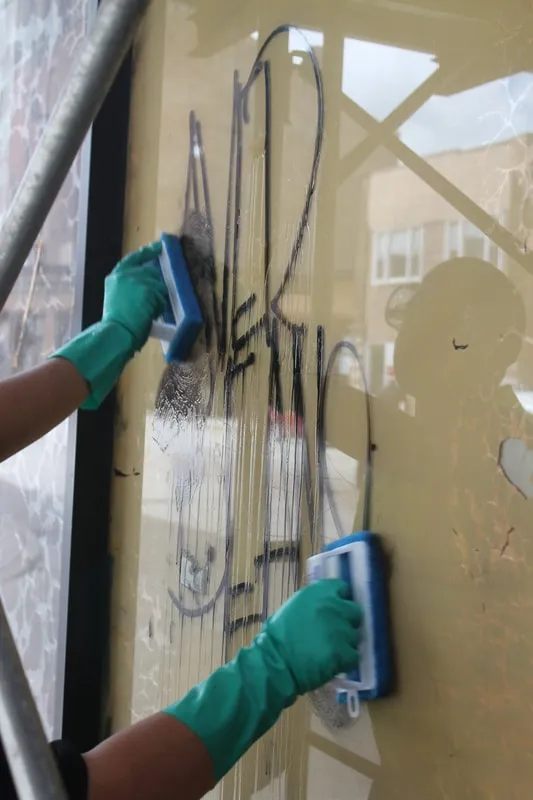

Graffiti can appear on walls, signs, vehicles, fences, public fixtures, and other surfaces with little warning. Removing it effectively requires more than choosing the strongest available cleaner. The wrong chemical, method, or application technique can damage the surface underneath and make restoration more difficult. This Graffiti Remover Selection Guide explains the main factors to consider when selecting a remover and outlines practical methods for different materials.
The best graffiti remover depends on the type of graffiti, the surface material, the age of the marking, and the cleaning conditions. A product that works well on concrete may be unsuitable for painted metal or plastic. Understanding these differences helps reduce surface damage while improving cleaning results.
What Should You Consider Before Choosing a Graffiti Remover?
Before applying any remover, identify the surface and the type of marking. Graffiti may contain spray paint, permanent marker, adhesive materials, or other coatings, and each can respond differently to cleaning agents.
1. Identify the Surface
Surface composition is one of the most important considerations. Common graffiti-affected materials include:
- Concrete and masonry
- Brick and stone
- Painted walls
- Bare and painted metal
- Glass
- Plastic
- Wood
- Vehicles and equipment
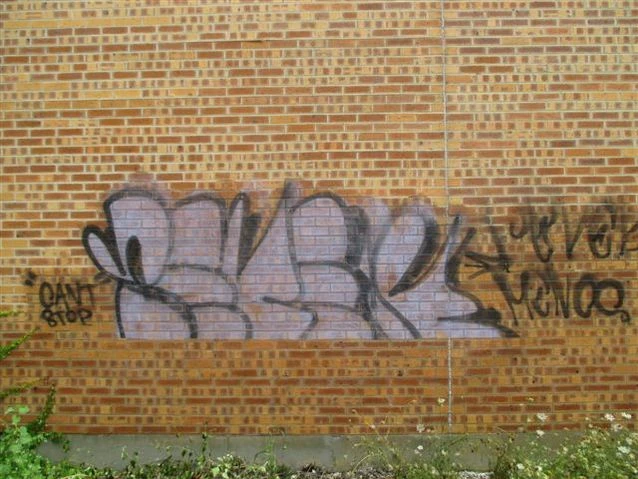
Porous materials can absorb paint below the visible surface, while smooth surfaces generally allow easier removal. A method suitable for a porous brick wall may be unnecessarily aggressive for a smooth metal sign.
2. Determine the Graffiti Material
Look at the marking itself before selecting a remover. Spray paint, marker ink, and other coatings can require different approaches.
Older graffiti may also be more difficult to remove because the marking has had time to bond with or penetrate the surface. However, age alone should not determine the cleaning method.
3. Check the Surface Finish
A painted or coated surface requires additional care. A solvent capable of dissolving graffiti may also soften the original coating.
For this reason, always check whether the surface is:
- Painted
- Powder-coated
- Sealed
- Polished
- Uncoated
- Previously treated with an anti-graffiti coating
Types of Graffiti Removers
Different formulations are designed for different cleaning situations. Understanding their general characteristics can make product selection easier.
Solvent-Based Removers
Solvent-based products can be useful for dissolving certain paints, inks, and coatings. They are often considered when graffiti is strongly bonded to a nonporous surface.
However, solvents may affect existing paint, plastics, rubber, sealants, or protective coatings. Testing is particularly important before widespread application.
Water-Based Removers
Water-based formulations can be suitable for certain applications where a less solvent-intensive approach is preferred. Their effectiveness depends on the graffiti material and surface.
They may require longer dwell times or mechanical agitation compared with stronger solvent-based products.
Low-VOC or Biodegradable Formulations
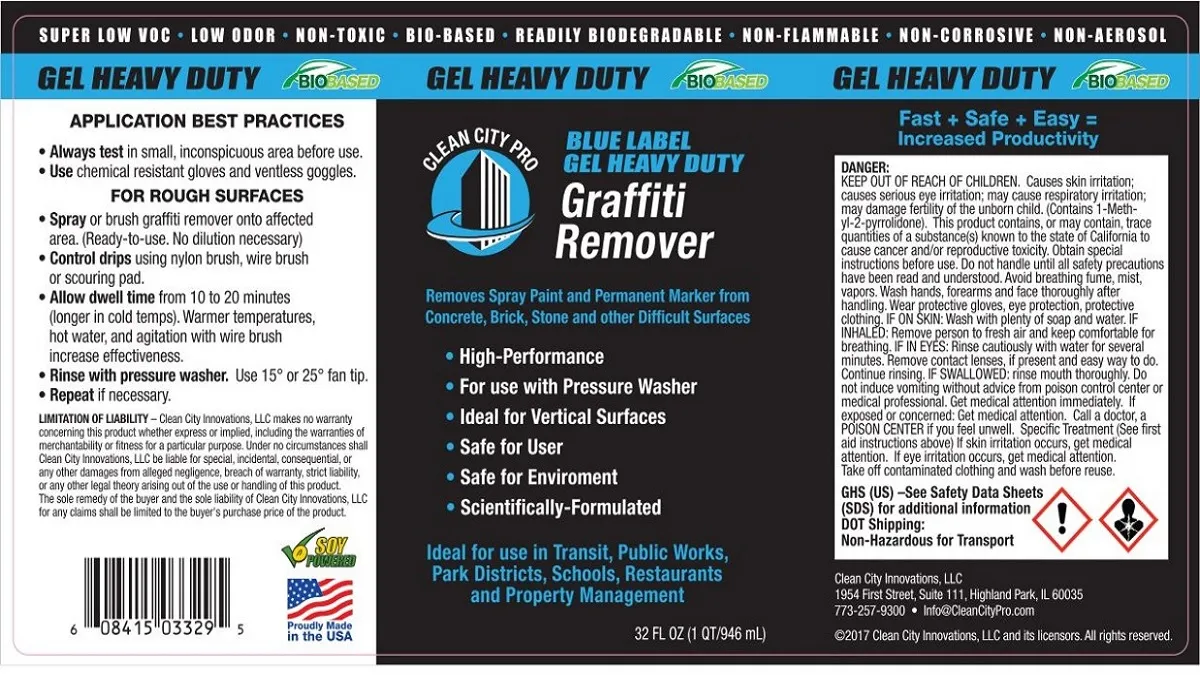
Some graffiti removers are designed with lower volatile organic compound emissions or ingredients intended to reduce environmental impact. These can be useful where ventilation, worker exposure, or environmental considerations are important.
“Eco-friendly” does not automatically mean suitable for every surface, so performance and compatibility should still be evaluated.
Specialty Removers
Some products are formulated for specific materials or graffiti types. Examples include removers intended for masonry, metal, painted surfaces, or marker stains.
Specialized formulations can reduce the need for unnecessarily aggressive cleaning, particularly when the substrate is sensitive.
How To Remove Graffiti From Metal

Metal may look durable, but its finish can be vulnerable to chemical damage, scratching, corrosion, and discoloration. How To Remove Graffiti From Metal depends largely on whether the metal is bare, painted, powder-coated, or otherwise protected.
A practical process is:
- Remove loose dirt and debris from the area.
- Test the remover on a small, hidden section.
- Apply a small amount according to the manufacturer's instructions.
- Allow the recommended dwell time.
- Gently agitate if necessary using a compatible cloth or soft brush.
- Remove the dissolved graffiti.
- Rinse or wipe the area as directed.
- Inspect the finish for discoloration or damage.
Avoid assuming that stronger chemicals will produce better results. On painted or coated metal, excessive chemical strength or dwell time can remove the original finish along with the graffiti.
Choosing a Remover by Surface
| Surface | Main Concern | Suitable Approach |
|---|---|---|
| Concrete | Porosity and paint penetration | Masonry-compatible remover with controlled agitation |
| Brick | Absorption and discoloration | Surface-safe formulation and careful rinsing |
| Stone | Natural finish and porosity | Product specifically tested for the stone type |
| Bare metal | Corrosion and staining | Metal-compatible remover |
| Painted metal | Coating damage | Mild formulation and short dwell time |
| Glass | Scratching and residue | Glass-compatible chemical and non-abrasive tools |
| Plastic | Chemical sensitivity | Plastic-safe formulation and patch testing |
| Wood | Absorption and finish damage | Wood-compatible remover and controlled application |
This comparison should be treated as a starting point rather than a universal formula. Surface manufacturers may use different coatings, sealants, and finishes, so compatibility testing remains important.
A Practical Graffiti Removal Process
A controlled process can make cleaning safer and more predictable.
Step 1: Inspect the Area
Determine the substrate, finish, graffiti type, surrounding materials, and drainage conditions. Check whether nearby surfaces could be affected by runoff.
Step 2: Perform a Patch Test
Apply the selected product to an inconspicuous area. Observe the surface for softening, discoloration, staining, gloss changes, or other reactions.
Step 3: Start With the Least Aggressive Method
Use the mildest practical approach that can remove the marking. Escalate only when necessary.
Step 4: Control Dwell Time
Leaving a chemical on a surface longer does not necessarily improve results. Follow the product instructions and monitor the area during treatment.
Step 5: Use Appropriate Agitation
Soft brushes, microfiber cloths, or other compatible tools can help loosen graffiti. Avoid abrasive tools when they could scratch or remove the underlying finish.
Step 6: Remove Residue Thoroughly
Follow the manufacturer's instructions for wiping, rinsing, or neutralizing the product. Residual chemicals can sometimes affect a surface after the visible graffiti has disappeared.
Common Mistakes to Avoid

Several mistakes can increase restoration costs.
Using the Strongest Product First
A powerful remover may damage the substrate before the operator understands how it reacts. Start with a controlled test instead.
Skipping the Patch Test
Even products marketed for a particular material may behave differently on painted, sealed, aged, or weathered surfaces.
Scrubbing Too Aggressively
Excessive mechanical force can create scratches, burnish surfaces, remove coatings, or spread pigment.
Ignoring Runoff
Cleaning chemicals and dissolved graffiti can travel to adjacent surfaces or drainage systems. Containment and appropriate wastewater handling should be considered.
Mixing Cleaning Chemicals
Do not mix different cleaning products unless the manufacturer specifically states that they are compatible. Chemical combinations can create dangerous reactions or unexpected surface damage.
Actionable Tips for Better Results
A few simple practices can improve consistency:
- Identify the substrate before selecting a product.
- Read the product's technical and safety instructions.
- Test an inconspicuous area first.
- Use the shortest effective dwell time.
- Protect nearby painted and sensitive surfaces.
- Work in manageable sections.
- Use suitable personal protective equipment.
- Maintain adequate ventilation where required.
- Prevent uncontrolled chemical runoff.
- Document the product and method used for future maintenance.
People Also Ask
What is the best type of graffiti remover?
There is no single remover that is best for every situation. The appropriate choice depends on the graffiti material, substrate, coating, and required cleaning method.
Can graffiti remover damage concrete?
Yes. Some chemicals or aggressive cleaning techniques can discolor, etch, or otherwise affect concrete. A compatible product and controlled testing are recommended.
Can graffiti be removed from painted metal?
Yes, but the remover must be compatible with the existing paint or coating. Patch testing is especially important because some solvents can soften or strip painted finishes.
How long should graffiti remover stay on a surface?
Dwell time varies by product and surface. Follow the manufacturer's instructions rather than assuming that a longer application will work better.
Is pressure washing enough to remove graffiti?
Pressure washing can remove some graffiti, particularly from suitable hard surfaces, but its effectiveness depends on the paint, substrate, pressure, temperature, and cleaning solution. Excessive pressure can damage sensitive surfaces.

Frequently Asked Questions
Does graffiti become harder to remove over time?
It can. Weathering and prolonged bonding may change how the marking interacts with the substrate. However, the appropriate cleaning method still depends on the surface and graffiti type.
Should graffiti remover be diluted?
Only if the product instructions specify dilution. Using an incorrect concentration can reduce effectiveness or increase the risk of surface damage.
Can one product be used on every surface?
Generally, no. Different materials have different chemical tolerances, and painted or coated surfaces may require specialized treatment.
What should be done after graffiti removal?
Inspect the cleaned area, remove any remaining residue according to the product instructions, and check for changes in color, texture, or finish. A suitable protective coating may also be considered for some surfaces.
When should professional assistance be considered?
Professional assistance may be appropriate for large areas, sensitive architectural surfaces, difficult-to-identify substrates, extensive staining, or situations involving complex runoff and safety requirements.
Selecting a graffiti remover is primarily a matter of surface compatibility, graffiti type, controlled application, and safety. The goal is not simply to dissolve the marking but to remove it without unnecessarily affecting the material underneath.
A careful selection process starts with identifying the substrate, testing a small area, choosing the least aggressive effective method, controlling dwell time, and following appropriate cleanup procedures. Whether dealing with concrete, brick, stone, metal, glass, plastic, or painted surfaces, these principles can help make graffiti removal more predictable and reduce the risk of avoidable damage.
Clean City Pro.
1954 First Street, Suite 111, Highland Park IL 60035
773-257-9300





























Sign in to leave a comment.