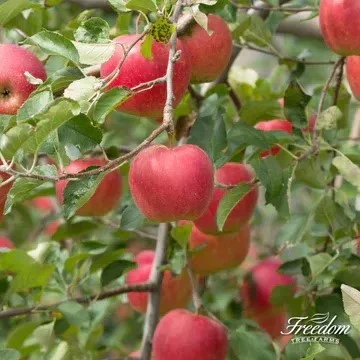

There’s something magical about stepping into your own backyard, reaching up, and plucking a ripe piece of fruit straight from the tree. The flavor is better, the experience is richer, and the satisfaction is unmatched. Edible gardening is more than just a trend—it’s a way of life that connects people to their environment, their food, and their roots. Whether you live on a spacious lot or a cozy patio, the joy of growing your own fruits is something anyone can experience.
Beyond the nutritional benefits and the convenience of homegrown snacks, planting fruit trees and shrubs introduces a deeper appreciation for the cycles of nature. You begin to watch the seasons not just as time passing, but as part of a process—a slow, beautiful journey from blossom to harvest. And while it might sound intimidating, starting your own edible garden is easier than you think.
Let’s dig in—literally—and explore the world of growing your own fruit, from the sweetest berries to the juiciest plums.
Why Grow Your Own Fruit?
The biggest reason people start edible gardens is simple: flavor. Fruit picked fresh from the garden is allowed to ripen naturally, which means it’s packed with sweetness and nutrients. Grocery store fruit is often picked early to survive shipping, sacrificing both taste and texture.
Beyond the taste, there's the pride of growing something yourself. Watching a tree bloom after months of care, or harvesting your first homegrown figs, brings a sense of accomplishment that’s hard to match.
And then there’s the environmental bonus. Growing your own food reduces packaging waste, lowers your carbon footprint, and creates a pollinator-friendly space for bees and butterflies. It’s a win for your taste buds and the planet.
Choosing the Right Fruits for Your Space
Not every fruit tree fits every yard, but there’s something for every gardener. Dwarf and semi-dwarf varieties are ideal for small spaces or container gardening. Think blueberries, lemons, or figs that thrive even on sunny balconies.
Larger spaces can accommodate trees like peaches, apples, pears, or plums. These trees bring shade, beauty, and bounty. Some even double as ornamental trees with stunning spring blossoms and vibrant fall foliage.
Tropical and subtropical climates open the door to bananas, mangoes, guavas, and citrus trees. These varieties need warmth and sunlight but can flourish beautifully in the right conditions.
When browsing fruit bearing plants for sale, take note of the plant’s size at maturity, chill hour requirements (for temperate trees), and sun exposure needs. Matching your selection to your environment is the key to long-term success.
How to Get Started: Planting and Care Basics
Once you’ve chosen your ideal plants, preparation is everything. Begin by selecting a sunny spot—most fruit trees need at least 6 to 8 hours of sunlight per day. Good drainage is essential, so avoid low spots where water collects after rain.
Plant your trees in early spring or fall for the best root development. When digging your hole, make it twice as wide as the root ball but no deeper. This allows roots to spread and establish quickly.
Watering is critical, especially in the first year. Deep watering once or twice a week encourages deep root growth, while daily light watering can lead to shallow roots and weak plants.
Mulch is a fruit tree’s best friend. It helps retain moisture, regulates soil temperature, and keeps weeds at bay. Keep mulch a few inches away from the trunk to prevent rot.
Regular pruning and feeding will help your tree focus its energy on healthy fruit production. Use an organic fertilizer designed for fruiting plants, and watch for pests or diseases.
Perennial Fruit Power: Year After Year of Harvest
One of the most rewarding parts of planting fruit trees is the return on investment. Many fruit trees and shrubs are perennials, meaning they keep producing year after year.
A well-tended apple tree can bear fruit for decades. Blueberry bushes can yield for 20 years or more. Fig trees not only live long but tend to increase production as they age. These plants are an investment in the future—each season’s harvest is bigger and sweeter than the last.
When you browse collections of fruit bearing plants for sale, consider the long-term impact. What starts as a few small plants can grow into a food-producing ecosystem right in your backyard.
Creating a Backyard Orchard: Design Tips and Ideas
You don’t need a farm to grow your own orchard. With a bit of planning, even modest spaces can support a mini grove of fruit trees. Use vertical space to your advantage—espalier trees (trained to grow flat against a wall or trellis) are great for tight areas and add visual interest.
Companion planting is another strategy to maximize growth and keep pests at bay. Plant herbs like basil, mint, or chives near fruit trees to deter bugs and boost flavor.
Mix ornamental plants with edibles for a beautiful and functional garden. Some fruit trees bloom with stunning flowers in spring and provide colorful foliage in the fall. This means your yard looks amazing all year—and you get fresh fruit, too.
For beginner gardeners, starting with container-friendly trees like lemons, limes, or dwarf apples is a smart move. These are often among the most popular fruit bearing plants for sale, as they adapt well to patios, decks, and balconies.
Harvest Time: When and How to Pick Your Fruit
There’s nothing like that first ripe harvest. But picking your fruit at the right time is crucial. Each variety has its own cues for ripeness—apples should twist off easily, peaches should give slightly when pressed, and berries should come off with a gentle tug.
Don’t rush the harvest. Fruit that ripens fully on the tree is more flavorful and nutritious. Over time, you’ll learn to recognize each plant’s sweet spot.
Be sure to harvest regularly once ripening begins. Leaving overripe fruit on the tree can attract pests or diseases. Enjoy what you pick fresh, freeze or dry the rest, and share your bounty with neighbors and friends.
When you invest in high-quality fruit bearing plants for sale, you’re not just buying a tree—you’re buying seasons of delicious potential.
Conclusion: A Fruitful Life Starts with One Plant
Edible gardening is about more than just fruit. It’s about connection—connecting with your land, your food, your family, and your future. Whether you’re planting a single tree or planning a backyard orchard, the rewards go far beyond the harvest.
As you begin your journey, take your time exploring options, learning what grows best in your climate, and dreaming up your garden’s design. The variety of fruit bearing plants for sale today means there’s something for every space and taste.
Before long, your yard or balcony will be more than just a place to relax—it’ll be a living, growing source of nourishment and joy. With care, patience, and the right plant choices, you’ll soon be enjoying fresh, homegrown fruit straight from your own little piece of paradise.




























Sign in to leave a comment.