Guide to Number Stamps: History, Modern Innovation, and Practical Mastery

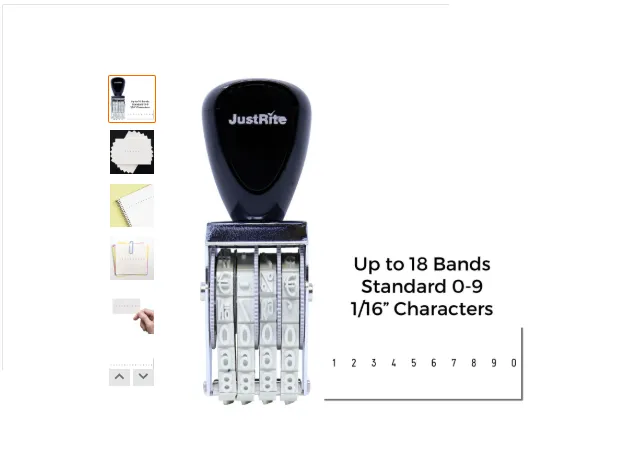
In our hyper-digitized world, where automated databases, cloud-based tracking, and barcode scanners dominate modern commerce, it is fascinating that one of the most enduring tools in an office, warehouse, or artist’s studio is a mechanical device invented well over a century ago. The number stamp—a simple arrangement of rotating rubber bands or steel wheels—remains a masterclass in functional design.
Far from being a relic of a bygone bureaucratic era, number stamps are experiencing a quiet renaissance. They bridge the gap between tactile efficiency and analog charm, offering a reliable, electricity-free way to bring order to chaos. This comprehensive guide explores the rich history of number stamps, their modern technological evolution, practical applications across various industries, and how to choose the right one for your specific needs.
1. A Brief History: From Industrial Boom to Bureaucratic Staple
To understand the enduring appeal of the number stamp, we must step back into the late 19th century. As the Industrial Revolution accelerated, businesses grew exponentially. Factories, shipping companies, railway systems, and financial institutions found themselves overwhelmed by an unprecedented deluge of paperwork.
The Challenge of Manual Tracking
Before mechanical numbering devices, clerks had to handwrite serial numbers, dates, and sequential codes on thousands of documents, ledgers, and shipping tags daily. This process was not only excruciatingly slow but also prone to human error, illegible handwriting, and misfiled documents. A single transposed digit could throw off an entire ledger or cause a shipment to vanish in transit.
Mechanical Innovation
The invention of the rotary numbering machine and the band stamp transformed administrative operations. By combining rotating metal or vulcanized rubber wheels within a sturdy frame, inventors allowed users to quickly cycle through digits with a flick of a finger.
- Postal Systems: Post offices relied heavily on date-and-number stamps to cancel postage and track mail sorting routes.
- Legal and Financial Audits: Automatic numbering machines became the gold standard for law firms and banks, stamping legal briefs, court exhibits, and financial checks in strict, unalterable numerical sequence.
- Everyday Culture: Classic library check-out cards featuring stamped due dates became a shared nostalgic artifact for generations of readers.
2. Anatomy and Types of Number Stamps
While all number stamps share the core purpose of printing numerical sequences, they vary significantly in mechanics, build quality, and application.
Traditional Rubber Band Stamps
These are the classic, economical stamps featuring rotating rubber wheels mounted on a wooden or plastic frame. They require a separate ink pad. While they require an extra step during use, they offer exceptional durability and allow users to switch between different ink colors easily.
Self-Inking Number Stamps
Designed for high-speed efficiency, self-inking models feature an internal, flip-flop ink pad mechanism. When the stamp is pressed down, the die plate rotates and presses against an internal pad before striking the paper. This makes them ideal for fast-paced office environments where thousands of impressions are needed without fatigue.
Heavy-Duty Automatic Numbering Machines
These are precision-engineered metal instruments built for heavy industrial and legal use. With every single press, an internal mechanical ratchet automatically advances the number sequence (e.g., automatically shifting from 000041 to 000042). They are built to withstand heavy daily wear and tear and offer tamper-proof serial tracking.
3. Modern Innovations and Creative Trends
The number stamp market has evolved far beyond basic gray office supplies. Today, manufacturers and designers are catering to two distinct audiences: efficiency-driven industrial sectors and design-conscious creators.
Ergonomic Engineering for Workplaces
In modern fulfillment centers, logistics hubs, and inventory warehouses, workers process thousands of packages daily. To combat repetitive strain injuries, manufacturers have introduced lightweight aluminum frames, soft-touch rubber grips, and balanced spring mechanisms. These updates reduce the physical force required to make a clean impression.
The Analog Craft and Journaling Renaissance
Perhaps the most vibrant growth sector for number stamps comes from the creative community. Bullet journalists, junk journalers, analog planners, and small-batch artisans have embraced vintage-style rubber stamps.
- Aesthetic Variety: Modern makers offer stamps modeled after old-world typography, typewriter keys, and industrial factory fonts.
- Micro and Mini Bands: Ultra-small number stamps (with digits only a few millimeters tall) allow for precise grid planning, minimalist calendar design, and delicate index labeling.
- Modular Symbols: Contemporary stamps frequently integrate useful symbols like hash marks (#), dashes (-), slashes (/), and currency indicators alongside the 0 through 9 digits, increasing their versatility for custom pricing and coding.
4. Practical Applications Across Industries
Why do professionals across wildly different fields still reach for a physical stamp instead of a digital tool? The answer lies in versatility and fail-safe reliability.
Logistics and Warehouse Management
In environments where equipment failures, dead batteries, or poor Wi-Fi connectivity can halt digital operations, mechanical tools shine. Warehouse staff use number stamps to mark shipping boxes, pallet tags, and quality-control inspection sheets. A physical stamp provides an immediate, undeniable visual confirmation that an item has been checked, sorted, or serialized.
Small Business and Craft Packaging
For independent creators, Etsy sellers, and boutique brands, presentation matters. Stamping serial numbers onto handmade product batches, gift tags, or minimalist paper bags adds an authentic, tactile touch that digital printed labels simply cannot replicate. It communicates human craftsmanship and attention to detail.
Legal, Archival, and Administrative Filing
Even in digital offices, physical paper trails remain legally critical. Law firms use number stamps to label exhibits during discovery, ensuring that every page in a multi-volume case file is accounted for and ordered sequentially for court presentation.
5. How to Choose the Right Number Stamp
Selecting the ideal number stamp depends entirely on your specific workflow. Consider the following factors before making a purchase:
- Band Count: Determine how many digits you need at once. Six bands are standard for general inventory and serial tracking, while shorter stamps (three to four bands) work best for pricing or short dates.
- Impression Size: Large, bold fonts are essential for warehouse boxes, shipping containers, and clear signage. Smaller, delicate fonts are better suited for paper documents, journal margins, and product tags.
- Ink Compatibility: Standard water-based inks work wonderfully on raw paper and cardboard. However, if you are stamping onto glossy surfaces, metal, plastic, or fabric, you will need a specialized quick-drying or permanent solvent-based ink.



Sign in to leave a comment.