

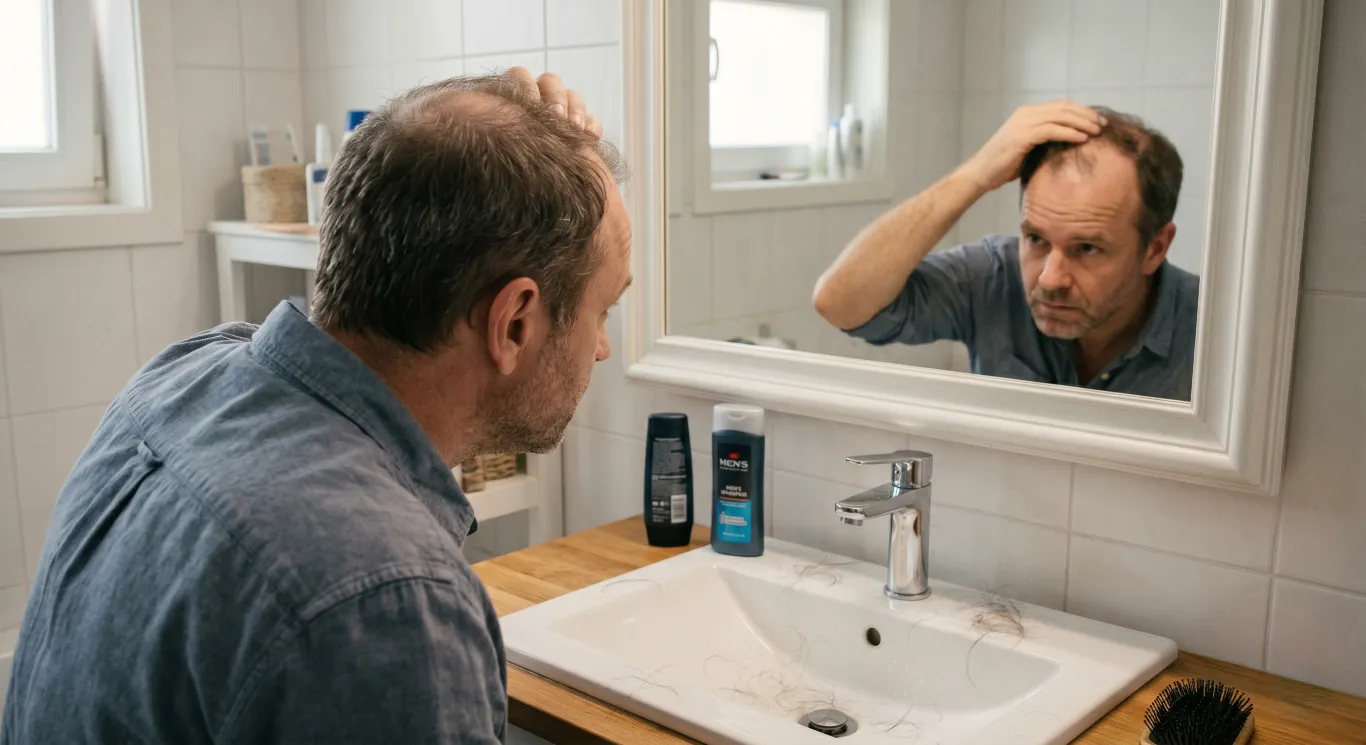
Finding extra hair on your pillow, comb, or shower drain can be concerning. Some daily hair shedding is completely normal, but noticeable thinning or persistent hair fall may indicate that something is affecting the normal hair-growth cycle.
The good news is that hair fall can have many different causes, and identifying the reason is an important part of managing it effectively. From lifestyle factors and nutritional deficiencies to genetics and scalp conditions, understanding the possible triggers can help you take the right next step.
What Causes Hair Fall?
Hair fall does not have one universal cause. Different people may experience shedding for completely different reasons.
Stress and Lifestyle Factors
Periods of significant physical or emotional stress can affect the hair-growth cycle. Poor sleep, sudden lifestyle changes, illness, and extreme dieting may also contribute to increased shedding in some people.
When the underlying trigger is temporary, hair shedding may gradually improve after the body returns to its normal cycle.
Nutritional Deficiencies
Healthy hair growth requires adequate nutrition. A diet lacking important nutrients may contribute to hair shedding in some individuals.
Restrictive diets and rapid weight-loss programs can sometimes make the problem worse. If nutritional deficiency is suspected, it is better to identify the specific issue rather than taking supplements without professional guidance.
Hormonal Changes
Hormonal fluctuations can also influence hair growth. Thyroid-related problems and other hormonal changes may contribute to excessive shedding or thinning.
Treating the underlying condition may be an important part of managing associated hair loss.
Genetic Hair Loss
Genetics is another common factor behind progressive hair thinning. Pattern hair loss can affect both men and women and may appear as a receding hairline, thinning crown, widening part, or reduced overall density.
Recognising progressive hair loss early can be useful because management can be considered before significant thinning develops.
Scalp Conditions
The condition of the scalp can influence hair health. Persistent itching, scaling, inflammation, or other unusual scalp changes may be associated with certain scalp conditions.
If hair fall occurs alongside ongoing scalp symptoms, a professional examination can help determine whether an underlying scalp issue needs attention.
When Should You Consider Professional Advice?
Not every episode of hair shedding requires medical treatment. However, it is worth considering professional evaluation if you notice sudden or excessive shedding, visible thinning, bald patches, a widening hair part, or a receding hairline.
It is also important to seek advice if hair loss continues for an extended period without an obvious reason.
A proper assessment can help distinguish temporary shedding from progressive hair loss.
How Is Hair Fall Managed?
The appropriate approach depends on the cause. A specialist may consider your hair-loss pattern, scalp condition, medical history, lifestyle, and other relevant factors before recommending treatment.
Management may involve correcting an identified nutritional or hormonal issue, addressing a scalp condition, or using appropriate medical therapies for certain types of hair loss.
For a more detailed look at Hair Fall: Real Causes & Treatment, you can read this guide on hair fall causes and treatment in Ahmedabad.
What About Hair Transplantation?
Hair transplantation can be an option for selected patients with permanent pattern hair loss. It involves moving healthy hair follicles from a suitable donor area to areas affected by thinning or baldness.
However, a transplant is not automatically the right solution for every type of hair fall. The underlying cause, donor hair availability, degree of hair loss, and long-term expectations should be evaluated before considering surgery.
In many cases, understanding and managing the cause of hair loss should come first.
Why Individualised Treatment Matters
Hair fall is a symptom rather than a single condition. Two people may have similar-looking thinning but require completely different approaches.
This is why copying another person's treatment or relying solely on popular hair products may not address the actual cause. A personalised assessment can help create a more appropriate management plan.
You can learn more about Dr Stuti Bajaj and the services provided through the Dr Stuti Bajaj. Additional information about her professional background and approach is available on the About Dr Stuti Bajaj page.
Final Thoughts
Hair fall can be caused by stress, lifestyle changes, nutritional issues, hormonal factors, genetics, scalp conditions, or a combination of factors. Finding the underlying reason is therefore an important first step.
If you are experiencing persistent or noticeable hair loss, professional evaluation can help you understand the possible cause and explore suitable treatment options. Early attention can also be useful when hair thinning is progressive.
Rather than trying multiple products at random, focus on understanding why the hair is falling and choose a management approach based on your individual needs.


























Sign in to leave a comment.