

Hair oiling has been part of Indian hair-care routines for generations. However, using too much oil, leaving it on for too long, or choosing an unsuitable product can sometimes create scalp and hair problems. Understanding common Hair Oiling Mistakes can help you build a simpler and more suitable routine for your hair type.
Why Hair Oiling Is Different in India
A Ritual Rooted in Ayurveda and Family Habit
For many Indian families, hair oiling is more than a beauty routine. It is a traditional practice often connected with Ayurveda and family habits. Coconut-based and herbal oils are commonly used to condition the hair and massage the scalp.
However, traditional does not always mean that the same routine works for everyone. Scalp type, climate, hair texture, lifestyle, and washing habits can all affect how frequently oil should be used.
What Indian Consumers Actually Struggle With
Hot weather, humidity, sweating, pollution, dandruff, and hard water can make scalp care challenging. Someone with a dry scalp may need a different routine from someone with an oily or sweaty scalp.
This is why choosing a Kerala Ayurvedic Hair Oil should involve more than simply following a family routine or buying a product because it is popular.
What Are the Most Common Hair Oiling Mistakes?
Leaving Oil on Overnight, Every Night
One of the most common Hair Oiling Mistakes is assuming that longer application always produces better results. Leaving oil overnight may not suit everyone, particularly people with oily or dandruff-prone scalps.
A shorter application period may be more practical for some people. The important point is to observe how your scalp responds rather than following a fixed rule.
Using Too Much Oil for Better Results
More oil does not automatically mean better hair care. Applying excessive amounts can make the hair difficult to wash and may leave unwanted residue on the scalp.
Use enough oil to lightly cover the scalp and hair rather than soaking the hair completely.
Only Oiling the Scalp or Only the Lengths
The scalp and hair lengths have different needs. Applying oil exclusively to one area may not provide the result you expect.
A balanced routine should consider both the scalp and the condition of the hair lengths.
Massaging Too Hard or Too Fast
A scalp massage should be gentle. Vigorous rubbing or scratching can irritate the scalp and may cause unnecessary discomfort.
Use your fingertips and massage gently instead of applying excessive pressure.
Using the Same Routine All Year Round
Indian weather changes considerably between summer, monsoon, and winter. Your hair-care routine may need to change with the season.
A heavy oiling routine that feels comfortable during dry weather may feel excessive during a humid monsoon.
Oiling an Already Oily or Dandruff-Prone Scalp
If your scalp is already oily, sweaty, itchy, or prone to dandruff, adding a large amount of oil may not be suitable.
Pay attention to your scalp condition before deciding how often and how much oil to apply.
Not Rinsing Out Oil Properly
Leaving residue behind after oiling can make the hair appear greasy and flat. It may also make the scalp feel uncomfortable.
Use an appropriate amount of cleanser and rinse thoroughly, especially when you have applied a richer oil.
Ignoring Hard Water
Hard water can affect how shampoo and other hair-care products rinse from the hair. If you live in an area with hard water, make sure you rinse your hair thoroughly after oiling and washing.
Choosing an Oil Based Only on Advertising
A product that works well for one person may not necessarily suit another. Instead of choosing an oil purely because of advertising or family habit, consider the ingredients, your scalp type, hair texture, and the way your hair responds.
How Do Hair Oiling Mistakes Show Up on Your Scalp and Hair?
Different people may notice different results when an oiling routine does not suit them. Common concerns include:
- Greasy or flat-looking hair
- Scalp discomfort or itching
- Increased buildup
- Hair that feels difficult to wash
- Scalp acne around the hairline
- Increased dandruff or flaking
These signs do not necessarily mean that oil itself is the problem. The amount used, frequency, application method, scalp condition, and washing routine can all make a difference.
One Routine Does Not Work All Year
Monsoon Hair Oiling
During monsoon, humidity and sweat can make the scalp feel oily. Leaving a heavy layer of oil overnight may not be comfortable for everyone. A lighter and shorter oiling session may be easier to manage.
Summer Hair Oiling
Hot weather can lead to increased sweating. If your scalp becomes oily quickly, avoid applying excessive quantities of oil. Focus on a manageable routine that allows you to wash the hair properly.
Winter Hair Oiling
Dry winter weather may make hair feel rough or frizzy. Some people may prefer a richer oiling routine during this season, provided their scalp tolerates it well.
How Do You Choose the Right Hair Oil?
Match the Oil to Your Scalp Type
Your scalp should be an important consideration when selecting a hair oil. A dry scalp and an oily scalp do not necessarily need the same routine.
Consider Ayurvedic Ingredients
For people interested in traditional hair care, a Kerala Ayurvedic Hair Oil can be considered as part of a broader hair-care routine. Always check the ingredient list and understand what is actually present in the formulation.
Read the Label Carefully
Do not choose a product simply because the packaging claims that it is the Best Oil for Hair Fall. Look at the ingredients, intended use, product instructions, and whether the formulation is appropriate for your routine.
Ayurvedic Blends and Modern Hair Oils
Ayurvedic formulations may contain combinations of traditional ingredients, while modern cosmetic oils can have different purposes and formulations. The best choice depends on individual needs rather than a universal rule.
What Is Used in Kudajadri Herbal Hair Tonic?
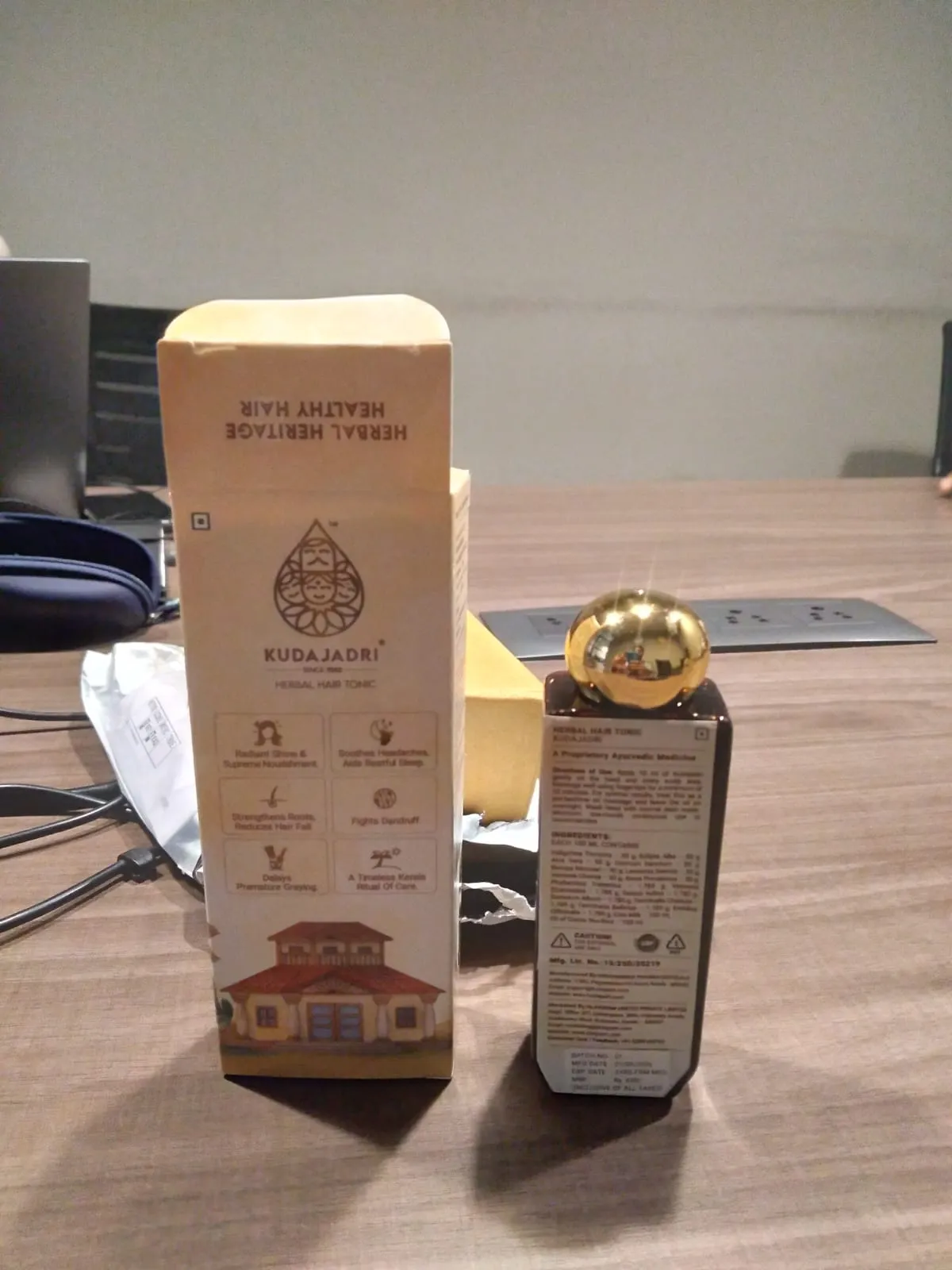
Alaigram offers the Kudajadri Herbal Hair Tonic as a Kerala-inspired Ayurvedic hair-care formulation. The product uses a base of Coconut Oil (Keraja) and Cow’s Milk (Dugdha).
The formulation is slow-steeped with concentrated amounts of Bringaraja, Neela Amari, Aloe Vera, and Brahmi. These ingredients are part of the formulation described for Kudajadri.
When choosing an Ayurvedic hair product, checking the actual ingredients can help you understand what you are applying to your scalp and hair.
What Is the Right Way to Oil Your Hair?
How Much Oil Should You Use?
The required quantity depends on hair length, thickness, and scalp condition. Start with a moderate amount instead of applying too much.
How Long Should You Leave It On?
There is no universal requirement to leave oil overnight. A shorter application may be sufficient for some routines. Follow the product instructions and consider how your scalp responds.
How Should You Massage the Scalp?
Use your fingertips and gentle circular movements. Avoid scratching the scalp or applying excessive pressure.
How Should You Wash It Out?
Cleanse the scalp and hair thoroughly after oiling. If the hair remains greasy, adjust the amount of oil used rather than repeatedly applying large quantities of shampoo.
How Often Should You Oil Your Hair?
There is no single frequency that works for everyone.
People with an oily or sweaty scalp may prefer less frequent oiling. Those with dry or frizzy hair may find regular conditioning helpful. If your scalp is dandruff-prone, pay particular attention to how it responds after oiling.
Your climate can also influence your routine. Humid monsoon weather, hot summers, and dry winters may require different approaches.
When Should You See a Dermatologist?
Hair oil is not a substitute for professional care when you have persistent scalp or hair concerns. Consider consulting a dermatologist if you experience ongoing itching, significant flaking, sudden or excessive hair loss, scalp sores, or other symptoms that do not improve with normal hair care.
A dermatologist can examine the scalp and identify possible causes that cannot be determined simply by changing your oiling routine.
Frequently Asked Questions
Can hair oiling cause hair fall?
Hair oiling itself does not mean that everyone will experience hair fall. However, aggressive massage, excessive handling, or an unsuitable routine may contribute to hair breakage or scalp discomfort. Persistent hair loss should be evaluated professionally.
Does oiling make dandruff worse?
For some people, heavy oiling may make an oily or dandruff-prone scalp feel worse. If you notice increased itching or flaking after oiling, reconsider the amount and frequency and seek professional advice if the problem persists.
Is overnight oiling good or bad?
Overnight oiling is not automatically good or bad for everyone. Your scalp type, climate, product, and personal response should be considered.
Which oil is best for an oily scalp in India?
There is no single Best Oil for Hair Fall or scalp oil that suits every person. People with oily scalps should consider lighter application, moderate quantities, and thorough cleansing.
How often should I oil in monsoon versus winter?
During humid monsoon weather, you may prefer a lighter and less frequent routine. In winter, people with dry hair may prefer more conditioning. Adjust your routine according to your scalp and hair response.




















Sign in to leave a comment.