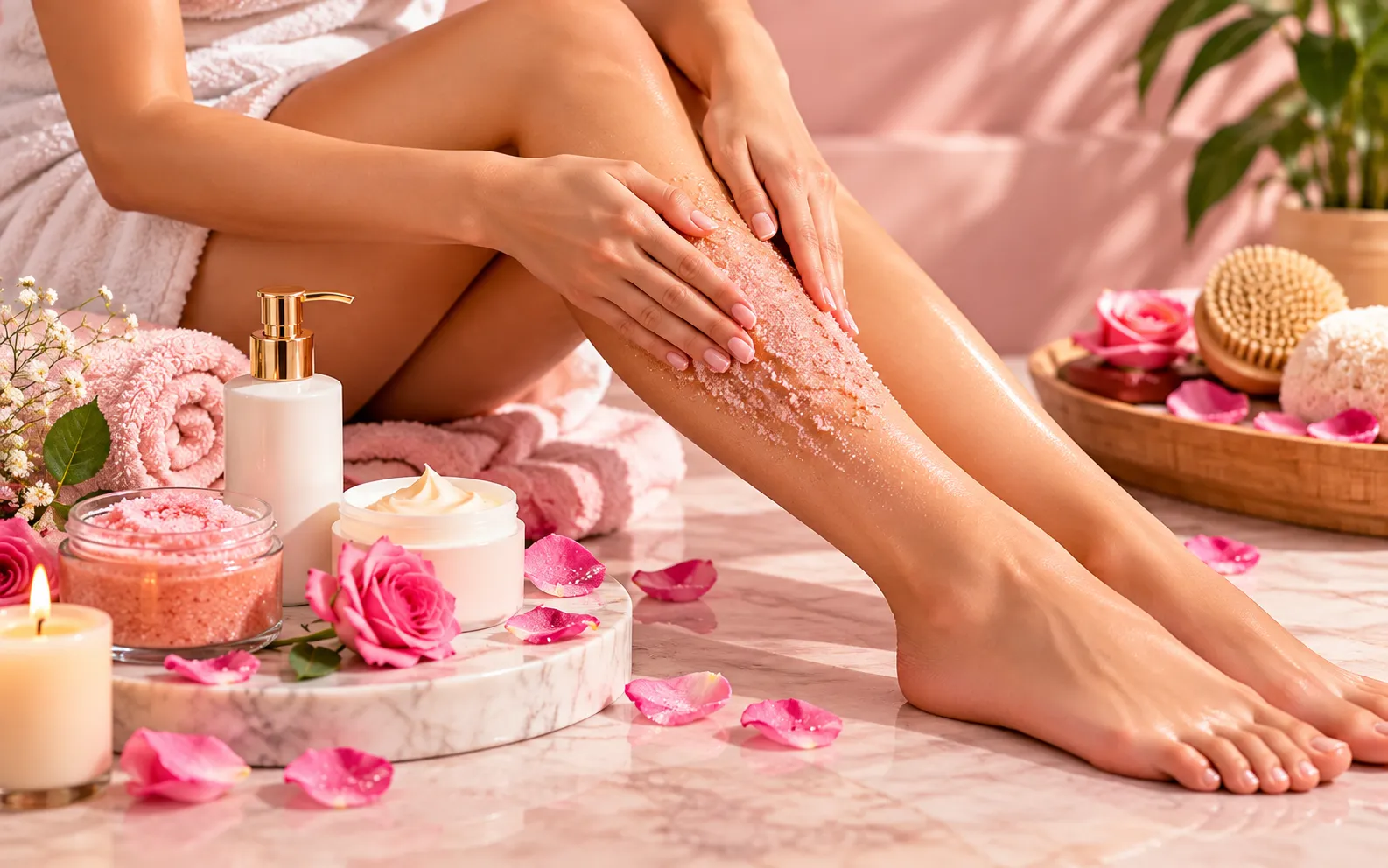

Smooth, soft and well-groomed skin often comes from more than just one beauty treatment. Waxing helps remove unwanted body hair, while body polishing focuses on cleansing, exfoliating and moisturizing the skin. When planned properly, both can become useful parts of a regular body-care routine.
However, timing matters. Waxing and body polishing too close together may leave the skin feeling uncomfortable, especially if your skin is sensitive. The better approach is to give your skin enough time to recover between treatments and keep the routine simple.
Here is how women can plan waxing and body polishing together for a practical and comfortable beauty routine.
What Does Waxing Do for the Skin?
Waxing is primarily a hair-removal method. It removes unwanted hair from the root, which can leave the skin feeling smooth and hair-free for longer than shaving.
Full body waxing can include areas such as:
- Arms
- Legs
- Underarms
- Back
- Stomach
- Bikini area
Different types of wax and hair-removal products can be used depending on the body area, hair texture and individual skin needs.
After waxing, the skin may feel temporarily sensitive. This is why immediate exfoliation or intensive body treatments are generally not ideal.
What Is Body Polishing?
Body polishing is a body-care routine that usually combines gentle exfoliation with cleansing and moisturizing. It is designed to remove surface dead skin cells and leave the skin feeling smoother and softer.
A basic body polishing routine may include:
- Gentle cleansing
- Mild exfoliation
- Rinsing the skin
- Applying moisturizer
- Keeping the skin hydrated
Body polishing can be useful when the skin looks dull or feels rough. However, exfoliation should always be adjusted according to your skin type and tolerance.
Should You Wax and Polish on the Same Day?
For most people, doing intensive waxing and body polishing on the same day is not the most comfortable approach.
Waxing can temporarily make the skin more sensitive. Body polishing, particularly if it involves exfoliation, may add additional friction to freshly waxed skin.
Instead of combining both treatments immediately, consider separating them.
For example, if you have planned a full body wax session, you can focus on gentle cleansing and moisturizing afterward. Once the skin has settled, you can gradually return to your normal exfoliation and body-polishing routine.
The Best Way to Schedule Waxing and Body Polishing
The exact schedule depends on your skin, hair-growth pattern and the products you use. A simple routine can look like this:
Step 1: Prepare Before Waxing
Before a waxing session, keep your skin clean and avoid applying heavy creams, body oils or greasy products immediately before waxing.
If you are using a new wax or hair-removal powder, consider a small patch test first, especially if your skin tends to react easily.
The goal is to start your waxing session with clean and comfortable skin.
Step 2: Wax the Body
Choose a waxing method suitable for your skin and the area being treated.
Wax powder or hair-removal powder may be another option for people looking for an alternative to traditional waxing products. Always follow the specific product instructions and avoid using a product on areas for which it is not intended.
After waxing, avoid unnecessary rubbing or repeated touching of the treated skin.
Step 3: Keep Post-Wax Care Simple
Immediately after waxing, your priority should be comfort and moisture rather than intensive exfoliation.
A gentle, fragrance-free moisturizer can help maintain the skin's moisture barrier. If your skin feels warm or uncomfortable, a cool compress may also feel soothing.
Avoid aggressive scrubbing, strong exfoliating products and unnecessary friction immediately after waxing.
Step 4: Wait Before Body Polishing
Give your skin time to settle before returning to body polishing.
There is no single waiting period that works for everyone. The right timing depends on how quickly your skin recovers and whether there is any redness, sensitivity or irritation.
Once your skin feels normal again, you can reintroduce gentle exfoliation.
Step 5: Resume a Gentle Body-Polishing Routine
When your skin has recovered, use a mild body exfoliation routine rather than aggressive scrubbing.
Focus on areas that commonly feel rough, such as:
- Elbows
- Knees
- Heels
- Arms
- Legs
Follow exfoliation with a moisturizer to help keep the skin feeling soft.
How Often Should You Wax?
Waxing frequency varies from person to person. Hair-growth speed, hair texture and the body area can all affect when another session is needed.
Many people schedule waxing every few weeks rather than following a strict calendar.
Instead of waxing simply because a certain number of days have passed, consider your hair growth and how your skin responds.
Regular waxing may also make it easier to maintain a consistent grooming routine because you can plan sessions around your personal hair-growth cycle.
How Often Should You Do Body Polishing?
Body polishing does not need to be an everyday activity.
Over-exfoliating can leave some skin types feeling dry, sensitive or uncomfortable. A gentle routine performed occasionally may be more suitable than frequent aggressive scrubbing.
If your skin is sensitive or easily irritated, use a lighter approach and pay attention to how your skin responds.
The purpose of body polishing should be to support smooth-feeling skin, not to scrub as hard as possible.
Waxing and Body Polishing for Different Skin Types
For Dry Skin
Dry skin may benefit from a moisturizing routine around waxing and body polishing.
Use gentle exfoliation and follow it with a nourishing moisturizer. Avoid excessive scrubbing because it may make dryness more noticeable.
For Sensitive Skin
Sensitive skin requires extra care.
Patch testing new products, avoiding harsh exfoliation and giving the skin enough recovery time between treatments can help reduce unnecessary irritation.
If your skin is already irritated, postpone exfoliation until it feels comfortable again.
For Oily or Combination Skin
Even if your body skin tends to feel oily, aggressive exfoliation is not necessary.
Use a gentle body cleanser and mild exfoliation when appropriate. After waxing, focus on keeping the skin clean and comfortable without layering too many products.
For Normal Skin
Normal skin can usually follow a balanced routine involving regular hair removal, gentle exfoliation and consistent moisturizing.
The key is still moderation. More treatments do not automatically mean better-looking skin.
A Simple Weekly Beauty Routine
A basic routine can make it easier to combine waxing and body polishing without overdoing either treatment.
Before Waxing
- Keep the skin clean.
- Avoid heavy oils before waxing.
- Make sure the skin is not already irritated.
- Patch test unfamiliar products.
Waxing Day
- Remove unwanted hair using your preferred method.
- Avoid excessive rubbing afterward.
- Wear comfortable clothing when possible.
- Keep post-wax skincare gentle.
Recovery Period
- Moisturize regularly.
- Avoid aggressive exfoliation.
- Avoid excessive heat if the skin feels sensitive.
- Let the skin return to its normal condition.
Body-Polishing Day
- Cleanse the body gently.
- Use mild exfoliation.
- Avoid excessive pressure.
- Rinse thoroughly.
- Apply moisturizer afterward.
This approach allows waxing and body polishing to complement each other instead of placing too much stress on the skin at once.
Common Mistakes to Avoid
Polishing Immediately After Waxing
Freshly waxed skin can be sensitive, so aggressive exfoliation immediately afterward may feel uncomfortable.
Scrubbing Too Hard
Hard scrubbing does not necessarily provide better results. Gentle exfoliation is usually a more practical approach for regular body care.
Using Too Many Products
Layering multiple scrubs, acids, fragrances and strong skincare products can make the routine unnecessarily complicated.
Keep post-wax care simple.
Ignoring Skin Sensitivity
If your skin is red, sore, itchy or irritated, give it time to recover rather than continuing with intensive treatments.
Forgetting Moisturizer
Both waxing and exfoliation can make proper moisturizing an important part of your routine. Apply a suitable body moisturizer after cleansing and once the skin is comfortable.
Can Body Polishing Help With the Look of Ingrown Hairs?
Gentle exfoliation may help remove surface dead skin cells and support smoother-looking skin. However, it should not be used aggressively on irritated bumps or freshly waxed skin.
If you frequently experience painful or persistent ingrown hairs, avoid repeatedly scrubbing the area and consider getting professional advice.
How to Build a Long-Term Body-Care Routine
A good beauty routine does not need to contain numerous treatments. Consistency and appropriate timing are often more useful.
You can think of the routine in three stages:
Hair removal: Wax when unwanted hair has grown enough for your preferred method.
Skin recovery: After waxing, focus on gentle care and moisturizing.
Skin maintenance: Once the skin has recovered, use occasional gentle body polishing and regular moisturization.
This simple cycle makes it easier to maintain smooth-feeling skin without over-treating it.
Final Thoughts
Waxing and body polishing can both have a place in a well-planned body-care routine. Waxing focuses on unwanted hair removal, while body polishing focuses on cleansing, gentle exfoliation and moisturizing.
The most important part is not doing both treatments as frequently as possible. Instead, plan them around your skin's needs. Give freshly waxed skin time to settle, avoid aggressive exfoliation and maintain regular moisturization.
With the right timing and a gentle approach, waxing and body polishing can work together as part of a simple, practical beauty routine for smooth and well-groomed skin.




















Sign in to leave a comment.