
Introduction
Hair thinning is a common concern among both men and women, and finding the right solution can be challenging. If you are experiencing hair thinning in Mumbai, it is important to understand that thinning hair can occur for several different reasons. Genetics, hormonal changes, nutritional deficiencies, stress, medical conditions, scalp problems, and excessive hairstyling can all contribute to reduced hair density.
Unlike temporary hair shedding, progressive hair thinning may become more noticeable over time. You may observe a wider hair parting, reduced volume, a thinner ponytail, increased scalp visibility, or gradual thinning around the hairline. Identifying the underlying cause early can make treatment more effective.
If you are searching for hair thinning in Mumbai, consulting a qualified dermatologist can help determine why your hair is becoming thinner and which treatment approach may be appropriate for you. Dermatologists can distinguish between excessive shedding and actual hair loss and develop treatment according to the underlying condition.
What Is Hair Thinning?
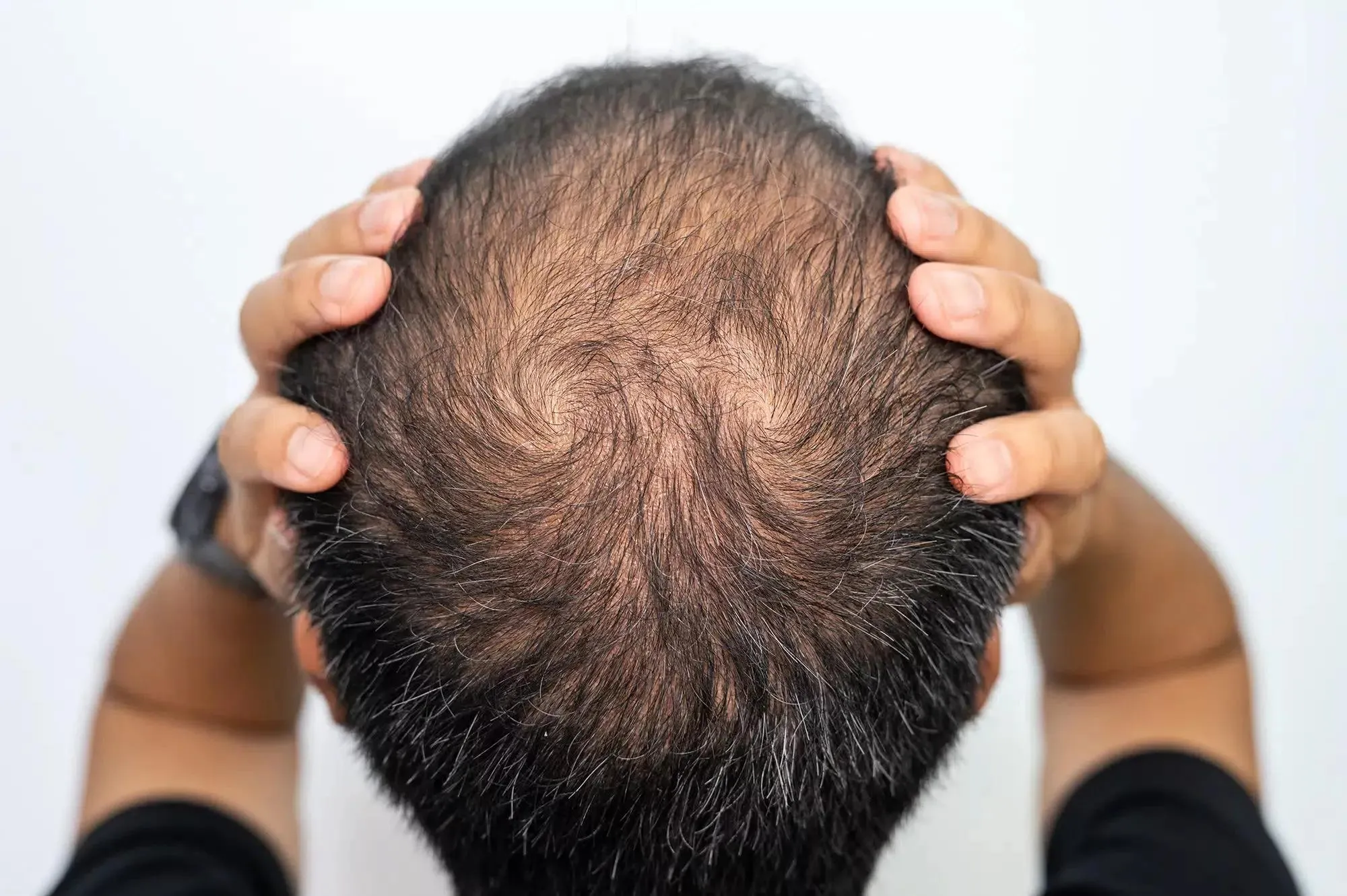
Hair thinning refers to a gradual reduction in the density or thickness of hair on the scalp. Unlike complete baldness, hair thinning may initially be subtle and can develop slowly.
People experiencing hair thinning in Mumbai may notice:
- A widening hair part
- More visible scalp
- Reduced ponytail thickness
- Hair that feels finer than before
- Increased hair shedding
- Thinning near the crown or temples
- Receding hairline
- Slower-looking hair growth
- More breakage while brushing or styling
Some daily hair shedding is normal. The American Academy of Dermatology notes that losing approximately 50 to 100 hairs a day can be normal. However, noticeable thinning, bald patches, or progressive reduction in density may indicate an underlying hair-loss condition.
Common Causes of Hair Thinning in Mumbai
Understanding the cause is one of the most important steps when addressing hair thinning in Mumbai. Different causes require different approaches.
1. Hereditary Hair Loss
Genetic or hereditary hair loss is one of the most common causes of progressive thinning. It can affect both men and women.
Women may notice overall thinning or a widening central hair part, while men may develop a receding hairline or thinning around the crown. Early evaluation can be helpful because treatment may slow progression and support regrowth in suitable cases.
2. Hormonal Changes
Hormonal fluctuations can influence the hair-growth cycle. Changes associated with conditions affecting hormone levels may result in increased shedding or gradual thinning.
For women, hormonal changes may occur during different stages of life and may sometimes be associated with irregular cycles or other symptoms. A dermatologist may recommend appropriate evaluation when hormonal factors are suspected.
3. Nutritional Deficiencies
Insufficient intake or absorption of certain nutrients can contribute to hair problems. Iron, zinc, and other nutritional factors may be relevant in some cases.
However, taking supplements without confirming a deficiency is not always advisable. Excessive intake of certain nutrients can itself be harmful. A dermatologist may recommend blood tests when nutritional deficiency is suspected.
4. Stress and Major Illness
Physical or emotional stress can affect the normal hair-growth cycle. Significant illness, surgery, high fever, rapid weight loss, and other physical stresses may sometimes be followed by noticeable hair shedding.
In certain situations, hair may gradually recover once the underlying trigger is addressed. However, persistent thinning should still be evaluated to rule out other causes.
5. Tight Hairstyles and Hair Damage
Repeatedly wearing very tight hairstyles can place continuous tension on the hair follicles. This may contribute to a condition called traction alopecia.
Frequent heat styling, aggressive chemical treatments, and rough handling can also increase hair breakage. If you are concerned about hair thinning in Mumbai, improving hair-care practices can be an important part of protecting existing hair.
6. Scalp Conditions
Scalp inflammation, infections, excessive scaling, and certain dermatological conditions can affect hair growth. In these cases, simply changing shampoo may not address the underlying problem.
A professional scalp examination can help determine whether the thinning is associated with a scalp condition or another form of hair loss.
Signs You May Need Treatment for Hair Thinning
Hair thinning does not always happen suddenly. In many cases, the changes are gradual and can easily be overlooked.
Consider professional evaluation if you notice:
- Increasing hair fall for several weeks or months
- A visibly widening hair part
- A thinner ponytail
- Receding hairline
- Bald or sparse areas
- Increased scalp visibility
- Sudden excessive shedding
- Hair thinning accompanied by scalp irritation
- Persistent thinning despite improving hair care
Early assessment can be valuable because some types of hair loss can progress without treatment. The earlier the underlying cause is identified, the more effectively an appropriate treatment plan can be developed.
Diagnosis of Hair Thinning in Mumbai
A proper diagnosis is an important part of treating hair thinning in Mumbai. Hair loss is not a single condition, and the same symptom can have different causes.
During a consultation, a dermatologist may assess:
- Your hair-loss pattern
- Duration of thinning
- Family history
- Scalp condition
- Hair-care routine
- Recent illness or stress
- Diet and nutritional factors
- Medications
- Hormonal or medical factors
Depending on the symptoms, your dermatologist may recommend blood tests or other investigations to identify possible nutritional deficiencies, hormonal issues, medical conditions, or other causes.
Treatment Options for Hair Thinning in Mumbai
Treatment for hair thinning in Mumbai should be selected according to the underlying cause rather than using the same treatment for everyone.
Topical Treatments
Certain topical medications may be recommended for specific types of hair loss. Minoxidil, for example, can help some people with early hereditary hair loss by stimulating hair growth and reducing further loss.
Results generally take time, and continued use may be necessary to maintain benefits. A dermatologist can determine whether such treatment is appropriate for your condition.
PRP Therapy
Platelet-rich plasma, commonly called PRP, is another treatment option that may be considered for certain types of hair loss.
During PRP therapy, a small amount of the patient's blood is processed to separate platelet-rich plasma, which is then injected into areas of hair thinning. Research indicates that PRP can be a useful option for some patients, although results vary depending on the cause and individual response.
GFC Therapy
Growth Factor Concentrate, or GFC therapy, is another regenerative hair-treatment approach offered by some clinics. It uses concentrated growth factors derived from the patient's blood and is intended to support the hair-growth environment.
Whether GFC is suitable depends on the individual's hair condition, pattern of thinning, scalp health, and overall treatment goals.
Microneedling
Microneedling may be considered as part of a treatment plan for selected hair-loss conditions. Some studies have found that microneedling combined with other treatments may improve hair-growth outcomes.
Because improper microneedling can irritate the scalp or worsen certain conditions, it should be performed under appropriate professional guidance.
Prescription Treatments
Depending on the diagnosis, dermatologists may prescribe medications to address specific causes of hair loss. The choice of medication depends on factors such as the type of hair loss, age, health history, and individual circumstances.
Prescription medicines should only be used according to medical advice because different medications have different precautions and potential side effects.
Why Professional Treatment Matters?
If you are searching for hair thinning in Mumbai, it can be tempting to try multiple hair oils, supplements, shampoos, or online remedies. However, these approaches may not address the actual reason behind your thinning.
The key to effective hair-loss management is identifying the underlying cause. Two people may have similar-looking thinning but require completely different treatment approaches.
A professional evaluation can help determine whether the problem is hereditary hair loss, excessive shedding, nutritional deficiency, hormonal changes, scalp disease, hair damage, or another condition.
Hair Care Tips to Support Thinning Hair
Along with professional treatment, healthy hair-care habits can help protect existing hair.
Use Gentle Hair Products
Choose a gentle shampoo and use conditioner after washing. Thinning hair can be more fragile and susceptible to breakage.
Avoid Excessive Heat
Frequent use of straighteners, curling irons, and high-temperature blow dryers can damage the hair shaft. Reduce unnecessary heat exposure whenever possible.
Avoid Tight Hairstyles
Avoid hairstyles that pull strongly on the roots. Repeated tension can contribute to traction-related hair loss.
Maintain a Balanced Diet
A balanced diet containing adequate protein and essential nutrients supports normal hair growth. If a deficiency is suspected, professional testing can help determine whether supplementation is actually required.
Avoid Self-Medicating
Do not begin high-dose vitamins, minerals, or hair-loss medicines simply because they are marketed for hair growth. Supplements should be used when medically appropriate, particularly because excessive amounts of certain nutrients can be harmful.
How to Choose the Right Hair Thinning Treatment in Mumbai?
When considering treatment for hair thinning in Mumbai, look for a clinic where your condition is properly assessed before treatment is recommended.
Important factors include:
- Qualified dermatological consultation
- Proper evaluation of the scalp and hair
- Identification of the underlying cause
- Personalized treatment planning
- Realistic expectations about results
- Appropriate follow-up
- Professional guidance throughout treatment
There is no single treatment that works for every person experiencing hair thinning. The most suitable approach depends on the cause, severity, age, health factors, and individual response to treatment.
Why Early Action Can Make a Difference?
Hair thinning can become more difficult to manage when it is ignored for a long period. Some forms of hair loss can continue progressively, while other forms may improve once the underlying trigger is corrected.
If you have recently noticed increased shedding, a widening part, reduced hair density, or a receding hairline, consider getting a professional assessment instead of waiting for the condition to become more noticeable.
For people looking for hair thinning in Mumbai, early diagnosis can help establish whether treatment is required and what type of approach is most appropriate.
Frequently Asked Questions
1. What is the main cause of hair thinning?
Hair thinning can have many causes, including hereditary hair loss, hormonal changes, nutritional deficiencies, stress, illness, scalp conditions, and hair damage. Identifying the exact cause is important before selecting treatment.
2. Is hair thinning reversible?
In some cases, hair thinning can improve significantly when the underlying cause is identified and treated. Some forms of hereditary hair loss may require ongoing treatment to maintain results.
3. When should I consult a dermatologist for hair thinning?
You should consider professional evaluation if thinning is persistent, progressive, sudden, associated with bald patches, or accompanied by scalp symptoms. Early assessment can help identify the cause.
4. Can stress cause hair thinning?
Yes. Significant physical or emotional stress can affect the hair-growth cycle and may lead to noticeable shedding. However, persistent thinning should be evaluated to determine whether another cause is also involved.
5. Can nutritional deficiencies cause hair thinning?
Certain nutritional deficiencies may contribute to hair loss or thinning. A dermatologist may recommend blood tests when a deficiency is suspected. Supplements should not be taken unnecessarily.
6. Does PRP help with hair thinning?
PRP may help selected patients with certain types of hair loss. Results vary, and a dermatologist should determine whether PRP is suitable based on the individual's condition.
7. Is GFC therapy suitable for everyone?
No. GFC therapy may be considered for selected patients, but suitability depends on the cause and pattern of hair thinning, scalp health, and individual treatment goals.
8. Can hair thinning be prevented?
Not every type of hair thinning can be prevented. However, avoiding excessive heat, tight hairstyles, harsh treatments, and unnecessary supplementation can help protect hair. Early treatment of underlying conditions may also reduce further loss.
Conclusion
Hair thinning can affect confidence as well as appearance, but it should not be treated as a problem with only one solution. If you are experiencing hair thinning in Mumbai, the first step is understanding why it is happening.
Hereditary factors, hormonal changes, nutritional deficiencies, stress, illness, scalp conditions, and hair-care practices can all play a role. A professional assessment can help identify the underlying cause and determine whether options such as topical treatments, PRP, GFC therapy, microneedling, medication, or other approaches may be appropriate.
If you are concerned about hair thinning in Mumbai, seeking professional guidance early can help you understand your condition, set realistic expectations, and choose a treatment approach suited to your individual needs.

























Sign in to leave a comment.