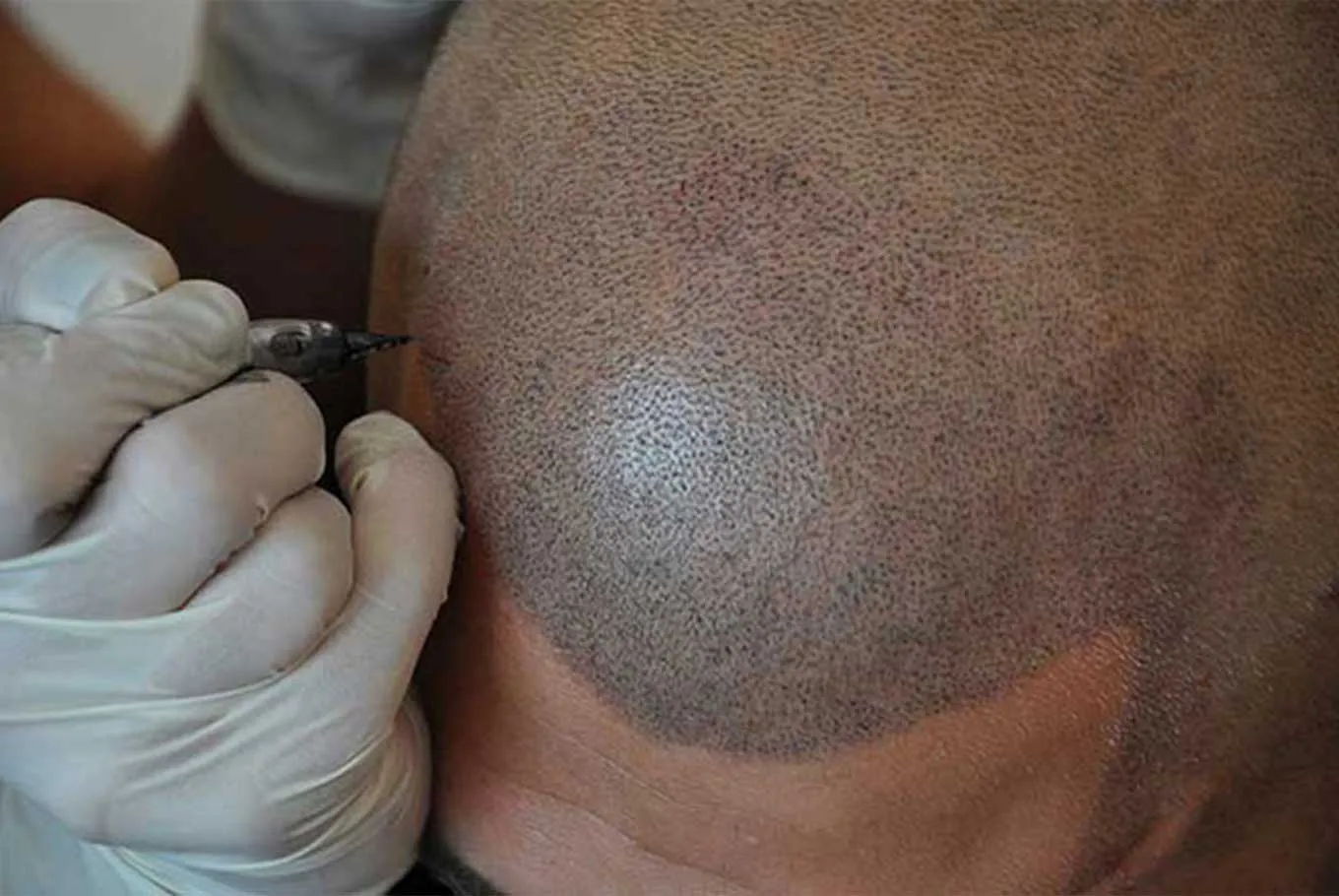

Hair loss can affect both appearance and confidence. While temporary hair shedding can sometimes improve with proper care, advanced hair thinning or baldness may require a more effective solution. A hair transplant in Ahmedabad is one of the most popular options for people looking for a long-term approach to restoring natural-looking hair.
Modern hair transplant procedures are designed to use the patient's own hair follicles. Techniques such as Follicular Unit Extraction (FUE) and Direct Hair Implantation (DHI) allow surgeons to carefully extract and implant individual hair follicles to create a natural hairline and improve hair density.
What Is a Hair Transplant?
A hair transplant is a surgical procedure in which healthy hair follicles are taken from a donor area and transplanted into areas affected by hair loss.
The donor area is usually located at the back or sides of the scalp because the follicles in these areas are generally more resistant to the effects of androgenetic hair loss.
The transplanted follicles can continue to grow hair in their new location. However, the final outcome depends on factors such as the patient's hair characteristics, donor hair availability, extent of hair loss, age and overall health.
Why Choose a Hair Transplant in Ahmedabad?
Ahmedabad has become an important destination for modern cosmetic and hair restoration treatments. People considering a hair transplant in Ahmedabad can find clinics offering different hair restoration techniques and treatment approaches.
Some common reasons people consider undergoing the procedure in Ahmedabad include:
- Access to experienced hair transplant surgeons
- Modern hair restoration techniques
- Personalized treatment planning
- Availability of FUE and DHI procedures
- Competitive treatment costs compared with several major cities
- Follow-up consultations and aftercare
- Advanced diagnostic and hair analysis options
Before selecting a clinic, however, patients should focus on the surgeon's experience, treatment approach, safety standards and previous results rather than choosing a clinic based only on price.
Common Causes of Hair Loss
Understanding the reason for hair loss is an important first step before considering transplantation.
Male Pattern Hair Loss
Androgenetic alopecia is one of the most common causes of hair loss in men. It can gradually cause a receding hairline, thinning around the crown or significant hair loss across the scalp.
Female Pattern Hair Loss
Women can also experience hereditary hair thinning. Unlike typical male pattern baldness, female hair loss often appears as diffuse thinning across the scalp.
Hormonal Changes
Hormonal changes can contribute to increased hair shedding. Conditions affecting thyroid hormones and other hormonal systems may need medical evaluation before considering surgery.
Nutritional Deficiencies
Low levels of certain nutrients may contribute to hair shedding. A doctor may recommend appropriate tests when nutritional deficiency is suspected.
Stress and Illness
Physical or emotional stress, certain illnesses and some medications can cause temporary hair shedding. Identifying and addressing the underlying cause may help improve hair growth.
FUE Hair Transplant
Follicular Unit Extraction, commonly called FUE, is a widely used hair transplant technique.
During FUE, individual follicular units are extracted from the donor area using specialized instruments. These follicles are then prepared and implanted into the recipient area.
Benefits of FUE
- Individual follicle extraction
- No large linear donor scar
- Relatively small extraction marks
- Natural-looking results when properly planned
- Suitable for many types of hair loss
The number of grafts required depends on the degree of hair loss, donor density and desired coverage.
DHI Hair Transplant
Direct Hair Implantation, or DHI, is another hair restoration technique. In DHI, follicles are extracted individually and implanted using a specialized implantation device.
The technique allows the surgeon to control the placement angle, direction and depth of the implanted follicles.
DHI may be considered when precise implantation and hairline design are important. However, the best technique depends on the individual patient's condition rather than simply choosing the newest or most marketed procedure.
How Is a Hair Transplant Performed?
Although the exact process varies between patients, a typical hair transplant involves several stages.
1. Consultation and Diagnosis
The process begins with an assessment of the scalp and pattern of hair loss. The surgeon evaluates the donor area, recipient area, hair density and future hair-loss risk.
2. Hairline Planning
A natural-looking hairline is designed according to the patient's facial structure, age and existing hair pattern.
3. Donor Area Preparation
The donor area is prepared before follicular extraction. Local anesthesia is generally used to minimize discomfort during the procedure.
4. Follicular Extraction
Individual follicular units are carefully extracted from the donor region.
5. Graft Preparation
The extracted follicles are examined and prepared for implantation.
6. Implantation
The grafts are placed into the recipient area according to the planned hairline, density, angle and direction.
7. Post-Procedure Care
After the procedure, the patient receives instructions regarding scalp care, washing, sleeping position, medications and physical activities.
Is Hair Transplant Painful?
Hair transplantation is generally performed under local anesthesia, which helps minimize pain during the procedure.
Patients may experience mild discomfort, swelling, tightness or tenderness after the treatment. These symptoms are usually temporary, but the recovery experience can differ from person to person.
Following the clinic's aftercare instructions can help support a smooth recovery.
Hair Transplant Recovery
Recovery occurs gradually. Small scabs may develop around the implanted follicles during the initial healing period. Mild redness or swelling can also occur.
Patients are generally advised to:
- Follow the prescribed medication schedule
- Avoid scratching or rubbing the scalp
- Wash the scalp according to medical instructions
- Avoid strenuous activities for the recommended period
- Protect the scalp from excessive sun exposure
- Attend scheduled follow-up appointments
The transplanted hair does not become fully visible immediately. Hair growth takes time because the follicles need to progress through their natural growth cycle.
When Will Hair Transplant Results Become Visible?
Hair transplant results develop gradually rather than immediately.
Some transplanted hairs may shed during the early stages. This can be a normal part of the hair growth cycle and does not necessarily mean that the transplant has failed.
New growth usually becomes more noticeable over the following months, while the final appearance can take considerably longer.
Patients should maintain realistic expectations and follow their surgeon's recommendations throughout the recovery period.
Who Can Consider a Hair Transplant?
A hair transplant may be considered by people experiencing:
- Receding hairlines
- Male or female pattern hair loss
- Crown thinning
- Significant scalp hair loss
- Hair loss caused by certain stable conditions
- Hairline concerns
- Some forms of beard or eyebrow hair loss
However, not everyone is an ideal candidate. Adequate donor hair, stable hair loss and realistic expectations are important factors.
A professional evaluation is necessary before deciding on treatment.
Conclusion
Choosing a hair transplant in Ahmedabad can be an important step for people looking for a long-term solution to certain types of hair loss. Modern techniques such as FUE and DHI can provide natural-looking hair restoration when the procedure is properly planned and performed.
The most important step is to understand the cause of hair loss and undergo a professional evaluation before deciding on treatment. A qualified hair transplant surgeon can assess your donor area, hair-loss pattern and future requirements to develop a suitable treatment plan.
If you are considering hair restoration, schedule a consultation with an experienced hair transplant specialist in Ahmedabad to discuss your goals, available treatment options and expected results.















Sign in to leave a comment.