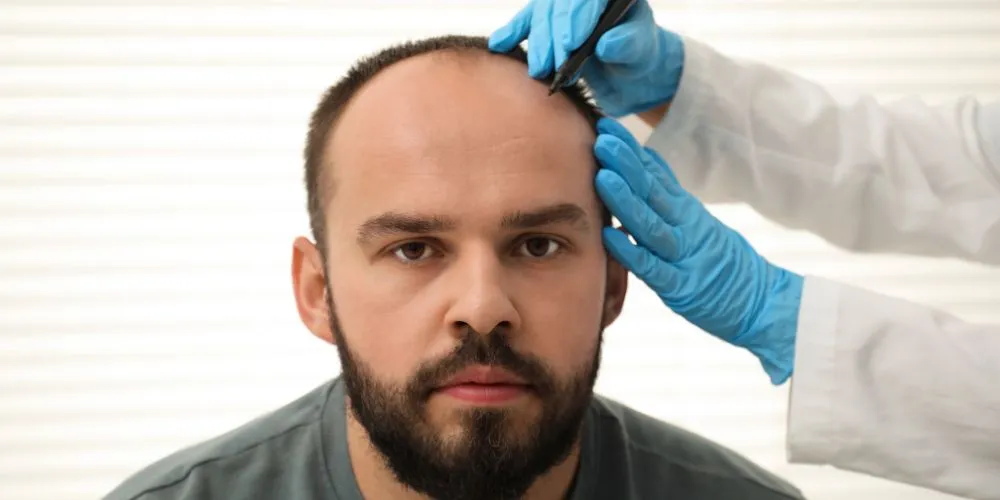

A hair transplant can be an effective way to restore thinning areas and improve hair density, but the procedure is only the beginning. Proper recovery plays an important role in protecting newly transplanted grafts and supporting healthy hair growth. Knowing what to expect after the procedure can make the recovery period easier and less stressful.
Recovery time can vary depending on the technique used, the number of grafts transplanted, your individual healing process, and your surgeon’s aftercare instructions. This day-by-day and month-by-month guide explains the typical stages of hair transplant recovery.
What Happens Immediately After a Hair Transplant?
After the procedure, the scalp may appear red and slightly swollen. You may also experience mild tenderness, tightness, or sensitivity. Small scabs can develop around the transplanted follicles, which is a normal part of healing.
Your clinic may provide instructions about washing your hair, sleeping position, medications, physical activity, and products to avoid. Following these instructions carefully is important during the first few days.
Hair Transplant Recovery: Day-by-Day
Day 1: Protect the Transplanted Area
The first day is mainly about protecting the newly implanted grafts. The scalp may be sensitive, and mild redness or swelling is common.
Avoid touching, rubbing, scratching, or pressing the transplanted area. Sleep with your head slightly elevated if recommended by your doctor. Do not wash the scalp unless your clinic has specifically instructed you to do so.
Days 2–3: Swelling and Redness
Some people notice increased swelling around the forehead or scalp during the second or third day. This usually settles gradually.
You may be allowed to begin gentle scalp cleaning according to your surgeon’s instructions. Avoid direct pressure from strong shower water and do not scratch any developing scabs.
Days 4–7: Scabs Begin to Form
Small scabs around the transplanted follicles are common during the first week. They are part of the normal healing process.
The scalp may still look red, but discomfort generally begins to decrease. Continue following your clinic’s washing instructions and avoid strenuous exercise unless your doctor says it is safe.
Days 7–10: Early Healing
By this stage, the transplanted grafts are generally becoming more secure. Scabs may begin to loosen and fall away naturally.
It is important not to pick or pull them off. Allow them to come away naturally while continuing gentle washing as advised by your surgeon.
Days 10–14: Scalp Starts Looking More Normal
For many patients, much of the visible redness and scabbing has reduced by the end of the second week. The transplanted area may still look different from the surrounding hair.
Some patients can gradually return to their normal routine around this period, depending on their procedure and recovery. Always follow your surgeon’s specific instructions.
Hair Transplant Recovery: Month-by-Month
Month 1: Healing Phase
During the first month, the scalp continues to heal. The transplanted hair may still appear short and uneven.
Some people experience temporary shedding of the transplanted hairs. This is commonly known as shock loss and does not necessarily mean that the transplant has failed. The follicles can remain healthy beneath the scalp while the visible hair shafts shed.
Continue taking care of your scalp and avoid treatments or hair products that your doctor has advised you to avoid.
Month 2: The Waiting Period
The second month can feel slow because there may not be much visible new growth. This is normal.
The transplanted follicles are going through a resting phase before entering the active growth cycle. Patience is important because hair growth does not happen immediately after transplantation.
Month 3: Early New Growth
Around the third month, some patients begin noticing tiny new hairs emerging from the transplanted area. These hairs can initially be fine, light, or uneven.
Growth rates differ from person to person, so comparing your progress with someone else’s results may not be useful.
Month 4: Noticeable Progress Begins
By the fourth month, early growth may become more noticeable. New hairs may still be thin, but gradually they can become stronger and more visible.
The density may not yet be the final result. Continued growth is expected over the following months.
Months 5–6: Increasing Density
Between months five and six, many patients start seeing a more noticeable improvement in coverage. Existing transplanted hairs may become thicker and longer.
Some areas can grow faster than others, which can make the hair look uneven temporarily. This usually improves as the growth cycle continues.
Months 7–9: Fuller Appearance
During this stage, the transplanted hair generally becomes more established. Hair shafts may become thicker, and overall coverage can continue improving.
You may begin to see a more natural-looking hairline and better density, although the final result has not necessarily developed yet.
Months 10–12: Major Results Become Visible
Around 10 to 12 months, many patients can see a significant portion of their final hair transplant result. The hair may look thicker, fuller, and more natural.
However, the exact timeline varies. Some people continue to experience improvements beyond the first year.
12–18 Months: Final Maturation
For some patients, the final appearance continues to develop between 12 and 18 months. Hair can become thicker and blend more naturally with existing hair.
Your surgeon can assess your progress and determine whether the result is developing as expected.
Tips for a Smooth Hair Transplant Recovery
Following your surgeon’s aftercare instructions should be your first priority. Some general recovery tips include:
- Avoid scratching or rubbing the transplanted area.
- Wash your scalp only as instructed by your clinic.
- Protect your scalp from excessive sun exposure.
- Avoid strenuous exercise until your surgeon gives you permission.
- Avoid swimming and activities that may expose the scalp to contaminants during the early healing period.
- Do not remove scabs forcefully.
- Take prescribed medications according to your doctor’s instructions.
- Avoid smoking if your surgeon advises you to stop during recovery.
- Attend follow-up appointments to monitor your progress.
When Should You Contact Your Doctor?
Mild redness, swelling, tenderness, and scabbing can be normal after a hair transplant. However, you should contact your surgeon if you experience severe or increasing pain, significant bleeding, worsening swelling, pus or unusual discharge, fever, or other symptoms that concern you.
Your surgeon knows your procedure and medical history, so their advice should take priority over general recovery information.
Choosing the Right Hair Transplant Clinic
Recovery is an important part of your overall hair transplant journey, so choosing an experienced surgeon and a reliable clinic matters. Before undergoing treatment, ask about the technique being recommended, expected graft requirements, recovery instructions, possible risks, and realistic results.
If you are researching the Best Hair Transplant in Chandigarh, compare clinics based on surgeon experience, treatment approach, consultation quality, aftercare support, and patient expectations rather than choosing only on price.
Final Thoughts
Hair transplant recovery is a gradual process. The first two weeks mainly focus on protecting the grafts and allowing the scalp to heal. The following months involve a waiting period, gradual new growth, increasing density, and eventual hair maturation.
Remember that every patient heals at a different rate. Following your surgeon’s instructions, maintaining realistic expectations, and giving your hair enough time to grow are key parts of achieving a successful result. With proper care and patience, the transplanted hair can gradually develop into a natural-looking part of your overall appearance.






















Sign in to leave a comment.