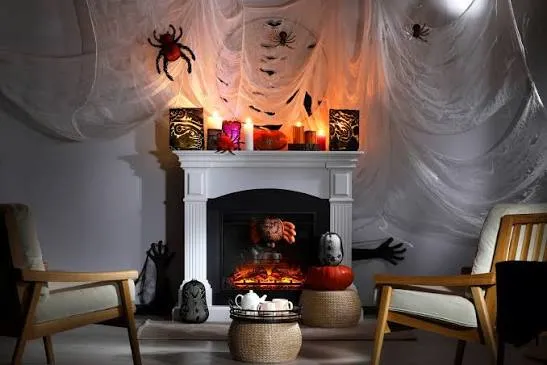

Halloween is more than costumes, candy, and haunted decorations. The fun facts about halloween reveal a fascinating journey through thousands of years of history, cultural changes, and forgotten traditions. From the ancient Celtic festival of Samhain to today’s global celebrations, Halloween has transformed while keeping its connection to mystery, storytelling, and community. Behind every pumpkin carving, costume choice, and spooky tale is a deeper story about how humans celebrate seasons, remember the past, and embrace imagination.

The Origins of Halloween Began With Ancient Celtic Traditions
Halloween’s history reaches far beyond modern parties and trick-or-treating. The origins of this holiday are connected to ancient Celtic communities and their seasonal celebration known as Samhain. Understanding these beginnings helps explain why Halloween is associated with autumn, spirits, darkness, and transformation. Although modern Halloween looks very different from ancient celebrations, many symbols and ideas still carry echoes of these early traditions. The holiday represents how cultures evolve by combining old beliefs with new customs, creating traditions that survive for generations.
Samhain: The Ancient Festival Behind Halloween
One of the most important fun facts about halloween is that its roots can be traced back more than 2,000 years to Samhain, an ancient Celtic festival marking the end of the harvest season.
For Celtic communities living in areas such as Ireland, Scotland, and parts of Western Europe, Samhain represented the transition between summer and winter. This period was considered a powerful moment when the boundary between the physical world and the spiritual world became less clear.
People gathered around large bonfires, prepared food, and performed rituals to welcome the new season. They believed spirits could return during this time, which influenced later Halloween themes involving ghosts, supernatural creatures, and mysterious stories.
How Samhain Influenced Modern Halloween
Many modern Halloween customs have connections to Samhain traditions. The idea of wearing costumes may have developed from ancient practices where people disguised themselves during spiritual celebrations.
The use of fire and light also influenced modern Halloween decorations. Today’s candles, lanterns, and glowing pumpkins represent a continuation of humanity’s long relationship with light during darker seasons.
While Halloween has changed dramatically, its original themes of transformation, remembrance, and mystery remain at the heart of the holiday.
The Meaning Behind Halloween Symbols and Their Surprising Stories
Halloween symbols are some of the most recognizable images in popular culture, from carved pumpkins and black cats to witches and ghosts. However, many people do not realize that these symbols have long histories connected to folklore, religion, and ancient beliefs. Exploring the meanings behind Halloween imagery reveals how ordinary decorations became powerful cultural icons. These symbols are not simply about fear; they represent stories about protection, imagination, mystery, and humanity’s relationship with the unknown.
The Real History of Jack-o’-Lanterns
The jack-o’-lantern is one of the most famous Halloween symbols, but pumpkins were not originally used for this tradition.
In Ireland and Scotland, people carved turnips, potatoes, and other vegetables to create lanterns. These carved lights were connected to folklore, especially the legend of Stingy Jack, a man who was said to wander the earth carrying a lantern after being rejected from both heaven and hell.
When Irish immigrants arrived in North America, they discovered pumpkins were larger, softer, and easier to carve. Over time, pumpkins replaced turnips and became the symbol we recognize today.
This evolution is one of the most interesting Halloween facts because it shows how traditions adapt when people move between cultures.
Why Black Cats, Witches, and Ghosts Became Halloween Icons
Black cats became associated with Halloween because of centuries-old European folklore connecting them with witches and supernatural beliefs. During historical witch trials, cats were sometimes wrongly linked to magical practices.
Witches became Halloween figures because of their connection to folklore, healing traditions, and stories about mysterious powers. Meanwhile, ghosts represent one of Halloween’s oldest themes: the relationship between the living and the dead.
These symbols continue to appear in Halloween decorations because they represent curiosity about things humans cannot fully explain.
Religious Influences Helped Shape Halloween’s Evolution
Halloween was not created from a single tradition. Throughout history, religious practices and cultural changes helped transform ancient seasonal celebrations into the holiday recognized today. The connection between Halloween and religious observances explains why the holiday’s name, timing, and traditions developed over centuries. This evolution shows how societies often blend older customs with newer beliefs, creating celebrations that reflect different periods of history.
From All Hallows’ Eve to Halloween
The name “Halloween” comes from “All Hallows’ Eve,” the evening before All Saints’ Day on November 1.
During the early Christian period, October 31 became connected with religious observances honoring saints and remembering the dead. Over time, the phrase “All Hallows’ Eve” gradually became shortened into “Halloween.”
This historical connection is one of the most important Halloween facts because it explains why the holiday has both spiritual and cultural meanings.
How Different Cultures Added New Traditions
As Halloween spread across different regions, communities added their own customs. European folklore, Christian traditions, and local celebrations all influenced the holiday.
Immigrants brought Halloween traditions to North America, where the celebration continued to evolve. Eventually, Halloween became less focused on spiritual beliefs and more centered around entertainment, creativity, costumes, and community activities.
This cultural blending is why Halloween today feels familiar to millions of people worldwide while still carrying traces of its ancient past.
Modern Halloween Traditions That Changed the Way We Celebrate
Modern Halloween is a global celebration filled with costumes, candy, decorations, movies, and themed events. While many traditions appear to be recent inventions, they are actually the result of centuries of cultural development. Understanding how Halloween changed over time helps explain why the holiday remains popular today. It combines history, creativity, and social connection, allowing each generation to create new memories while keeping older traditions alive.
The Story Behind Trick-or-Treating
Trick-or-treating is now one of the most popular Halloween activities, especially among children. However, its origins come from older European customs.
Practices like “souling” involved people visiting homes and receiving food in exchange for prayers. Another tradition called “guising” involved dressing in costumes and performing for small rewards.
These customs gradually developed into modern trick-or-treating in the United States during the 20th century. Today, it represents community, generosity, and childhood excitement.
Halloween Became a Worldwide Celebration
Although Halloween began in Celtic regions, it is now celebrated across many countries. Each culture adds unique elements, creating different versions of the holiday.
Some countries focus on costumes and entertainment, while others emphasize remembering ancestors and honoring the past. This global transformation proves that Halloween is more than a single tradition—it is a collection of stories shared across generations.
Bring Halloween History and Traditions Into Your Style
The most fascinating fun facts about halloween show that this holiday is a living story shaped by ancient rituals, cultural traditions, and modern creativity. From Samhain celebrations to today’s spooky designs, Halloween continues to inspire people because it connects history with imagination.
Celebrate the spirit of the season with our Halloween history shirts, spooky graphic t-shirts, and classic Halloween themed apparel. Whether you love ancient traditions, mysterious symbols, or modern Halloween culture, choose a design that lets you share your passion for the holiday’s unforgettable stories. Explore unique Halloween origin inspired clothing and bring a piece of Halloween history into your everyday wardrobe.
Follow us for more updates:






















Sign in to leave a comment.