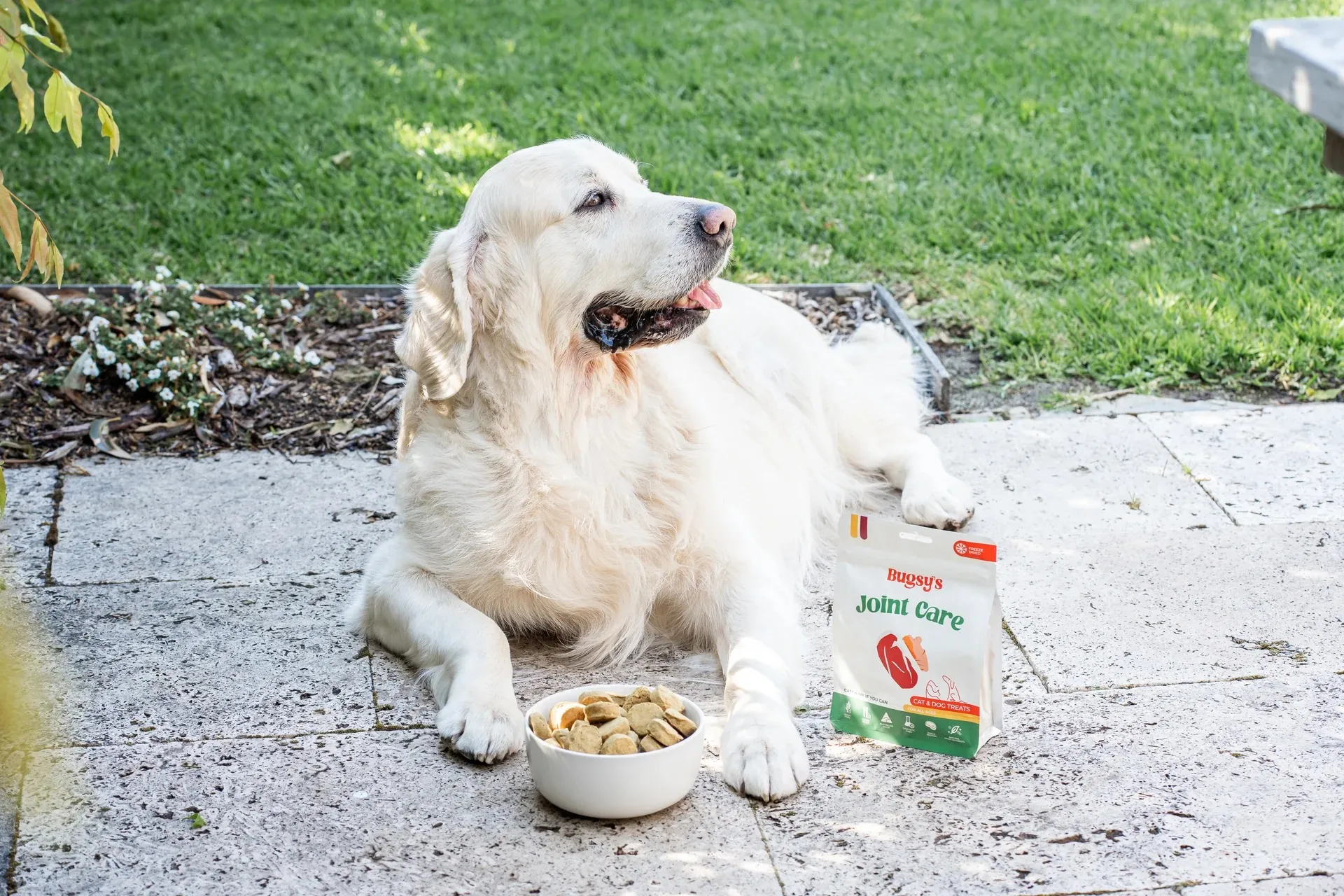

Treat time is often one of the highlights of a dog’s day. Whether you are rewarding good behaviour, working on training or simply giving your dog a little extra attention, treats can be a useful part of everyday life. However, not every treat is the same. When choosing healthy dog treats, it is worth looking beyond taste and considering the ingredients, quality, portion size and your dog’s individual needs.
With so many options available, knowing what to look for can make choosing treats much easier. A good treat should be enjoyable for your dog while fitting comfortably into their regular diet.
Start With Good-Quality Ingredients
The ingredient list is one of the best places to start when choosing a treat. Look for ingredients that are easy to recognise and suitable for dogs.
Animal-based proteins are commonly used in dog treats and can provide a tasty source of protein. Depending on the product, ingredients such as meat, fish or other animal proteins may be used to create treats that dogs naturally enjoy.
It is also useful to check how many unnecessary ingredients are included. Clear product information helps you understand exactly what you are giving your dog and makes it easier to choose according to their dietary needs.
Consider Your Dog’s Individual Needs
Every dog is different. Their age, size, activity level and eating habits can all affect which treats are appropriate.
A small dog may need much smaller portions than a large breed. Puppies may have different nutritional needs from adult or senior dogs. Likewise, an active dog may have different daily energy requirements from a dog that spends most of its time relaxing at home.
If your dog has a specific dietary requirement or food sensitivity, always check the ingredients carefully and speak with your veterinarian when necessary.
Texture Can Make a Difference
Dogs have different preferences when it comes to texture. Some enjoy soft, bite-sized treats, while others prefer something firmer that takes longer to chew.
Soft treats can be particularly convenient during training because they are usually quick for dogs to eat. This allows you to continue a training session without long interruptions.
Natural chews can provide a different experience. They can give dogs something to focus on for longer periods and may be a useful addition to their routine when chosen appropriately.
Always choose a chew that matches your dog’s size and chewing style, and supervise your dog while they are enjoying it.
Think About How You Will Use the Treats
A treat that works well at home may not be the most convenient option for a walk or training session.
Small treats that are easy to carry and portion can be useful when you are teaching new commands or reinforcing good behaviour. Freeze-dried treats can also be practical because they are lightweight and easy to keep on hand.
At home, you may prefer a longer-lasting chew or a treat that can be used as part of an enrichment activity.
Thinking about when and where you will use a product can help you choose treats that genuinely fit into your routine.
Healthy Dog Treats Should Be Given in Moderation
Even good-quality treats should be given in sensible amounts. Treats are generally intended to complement your dog’s regular food rather than replace it.
It can be easy to lose track of portions, especially when different family members are giving rewards throughout the day. Setting aside the day’s treats in advance can help you keep track of how much your dog is receiving.
For training, breaking larger treats into smaller pieces can also work well. Your dog still gets the reward, while you have more pieces available for repeated training exercises.
Treats Can Make Training More Enjoyable
Food rewards can be helpful when teaching dogs new behaviours. A treat can provide immediate positive feedback when your dog responds correctly.
The size of the treat matters during training. Small, easy-to-eat pieces allow you to reward your dog frequently without giving large amounts of food.
It is also important to remember that treats are only one part of training. Praise, play and attention can also be rewarding for dogs, depending on what motivates them.
Choosing Treats With Long-Term Value
Price is not the only factor worth considering when buying dog treats. A product can offer better value when it is made with ingredients you are comfortable giving your dog, suits their needs and is actually used regularly.
Consider the serving size, storage requirements and how often you expect to use the product. Buying a large quantity of a treat your dog does not enjoy can lead to unnecessary waste.
It can also be helpful to have different types of treats for different purposes rather than relying on one product for every situation.
Pet Parents Want More From Their Choices
Today, many dog owners want clearer information about the products they purchase. They are paying attention to ingredients, sourcing, preparation methods and whether a product genuinely suits their dog.
This makes straightforward product information increasingly important. Pet parents should be able to understand what they are buying without having to search through complicated claims or confusing descriptions.
Thoughtful purchasing can also help reduce waste. Buying appropriate quantities, storing treats correctly and choosing products your dog will actually eat are simple ways to make more considered choices.
Conclusion
Choosing healthy dog treats is mainly about understanding what your dog needs and paying attention to what goes into the products you buy. Good ingredients, appropriate portions, suitable textures and convenient formats can all make treat time more enjoyable for both you and your dog.
Whether you are training a puppy, rewarding good behaviour or giving your companion an occasional snack, the right treat can have a useful place in your daily routine.
At Bugsy’s Pet Supplies, we believe dog parents should have access to quality treats made with carefully selected ingredients. We offer freeze-dried treats, natural chews and other pet products designed to fit into everyday life while keeping your dog’s needs at the centre of your choices.


























Sign in to leave a comment.