Heart Disease Warning Signs and Prevention Tips

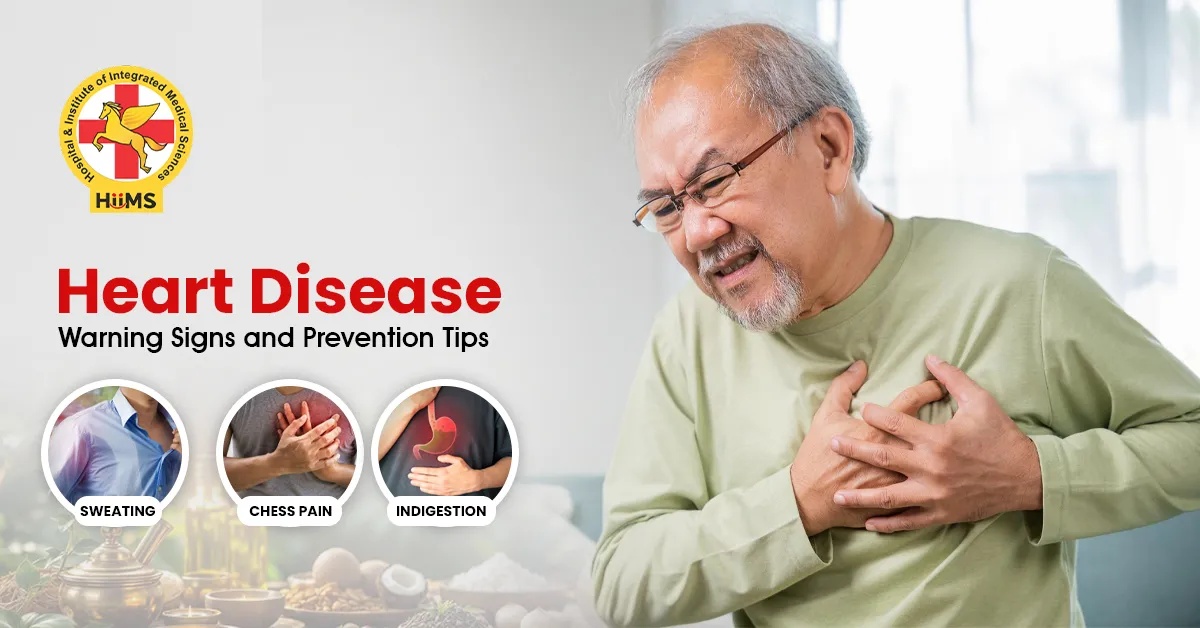
Heart disease is one of the major health concerns affecting people across different age groups. It can develop gradually, and some people may not notice clear symptoms until the condition becomes more serious. Understanding the warning signs and adopting healthy habits can help support better cardiovascular health.
Common Warning Signs of Heart Disease
The symptoms of heart disease can vary from person to person. Some common warning signs include:
- Chest pain, pressure, or discomfort
- Shortness of breath
- Unusual tiredness or weakness
- Dizziness or lightheadedness
- Fast or irregular heartbeat
- Excessive sweating
- Discomfort that may spread to the arm, back, neck, jaw, or shoulder
These symptoms should not be ignored, particularly when they are new, persistent, or occur during physical activity. Sudden or severe symptoms require prompt medical attention.
What Causes Heart Disease?
Several factors can increase the risk of developing heart disease. High blood pressure, high cholesterol, diabetes, smoking, obesity, physical inactivity, unhealthy eating habits, and family history can all contribute to cardiovascular risk.
Age and certain existing health conditions may also influence an individual's risk. Regular health check-ups can help identify some of these risk factors at an earlier stage.
How Can Heart Disease Be Prevented?
Healthy lifestyle choices can play an important role in maintaining heart health. Eating a balanced diet with vegetables, fruits, whole grains, and other nutritious foods can support overall wellness. Regular physical activity can also help maintain healthy weight and cardiovascular fitness.
Other useful habits include avoiding tobacco, limiting unhealthy foods, getting adequate sleep, managing stress, and monitoring blood pressure, blood sugar, and cholesterol when recommended by a healthcare professional.
When Should You Seek Medical Advice?
Persistent chest discomfort, unexplained breathlessness, unusual fatigue, or changes in heartbeat should be discussed with a healthcare professional. Early evaluation can help identify potential problems and guide appropriate care.
Heart health is influenced by everyday habits as well as individual risk factors. Staying aware of warning signs and making healthier choices can be an important part of long-term cardiovascular care.








Sign in to leave a comment.