Heartburn Treatment: Causes, Symptoms and Care Options


Heartburn is a common digestive concern that causes a burning sensation in the chest, often after eating or when lying down. It usually occurs when stomach contents flow back into the oesophagus, the tube that carries food from the mouth to the stomach. Occasional heartburn may be manageable with lifestyle changes, but frequent symptoms should receive proper medical attention.
Understanding the causes and available care options can help people make informed decisions about their digestive health.
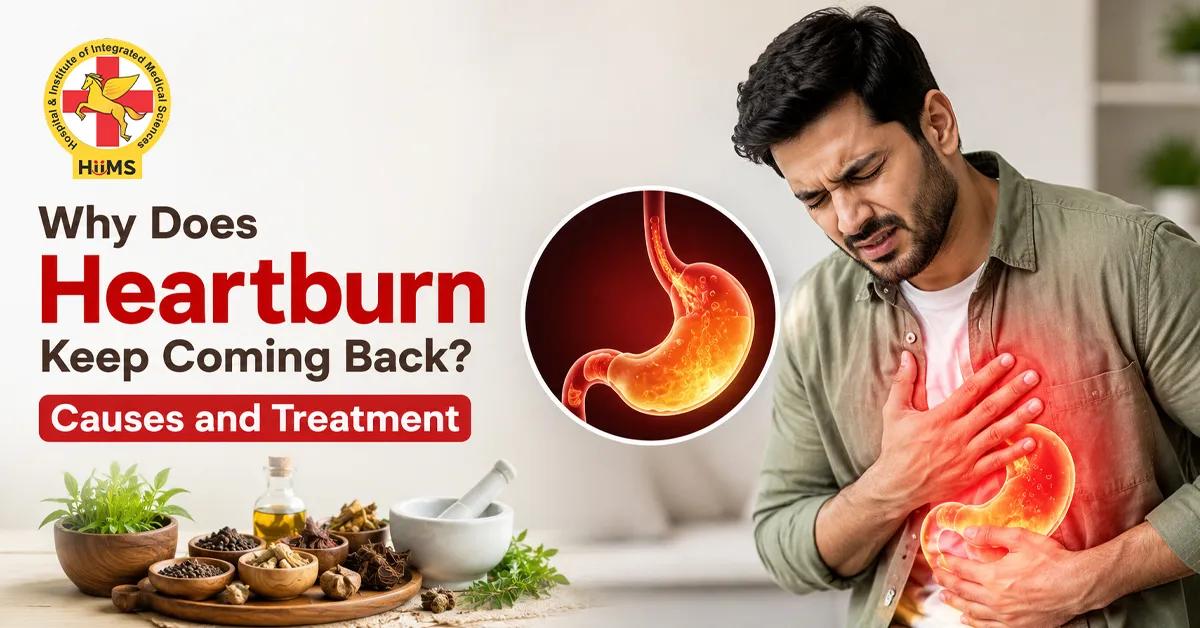
What Causes Heartburn?
Heartburn is commonly associated with acid reflux. Several factors may trigger or worsen symptoms, including:
- Eating large meals or eating close to bedtime
- Consuming spicy, fatty, or acidic foods that trigger symptoms
- Drinking coffee or other caffeinated beverages
- Smoking or carrying excess body weight
- Lying down soon after eating
- Pregnancy or certain medications
Triggers can vary from person to person, so identifying individual patterns may help with symptom management.
Common Symptoms of Heartburn
The most recognizable symptom is a burning sensation behind the breastbone. Other symptoms may include a sour taste in the mouth, food or liquid coming back into the throat, and discomfort that becomes worse after meals or when lying down.
Frequent acid reflux may sometimes indicate gastroesophageal reflux disease (GERD), which requires professional assessment.
Heartburn Treatment and Management Options
Suitable Heartburn Treatment depends on the frequency of symptoms, their severity, and the underlying cause. Healthcare professionals may recommend lifestyle changes, medicines, or further testing when necessary.
Some practical measures that may help include:
1. Eat smaller meals: Large meals can increase pressure on the stomach and contribute to reflux.
2. Identify food triggers: Keep track of foods and beverages that appear to worsen symptoms and adjust your intake accordingly.
3. Avoid lying down after meals: Waiting at least two to three hours before lying down may help reduce nighttime reflux.
4. Maintain a healthy weight: Weight management may help reduce pressure on the stomach for people carrying excess weight.
5. Improve sleep positioning: Raising the head of the bed may help people who experience reflux during the night.
6. Seek medical advice: A qualified healthcare professional can assess recurring symptoms and recommend suitable medication or investigations if needed.
When Should You Consult a Healthcare Professional?
Occasional heartburn is common, but symptoms that occur frequently, interfere with sleep, or persist despite lifestyle changes should be evaluated. Difficulty swallowing, repeated vomiting, unexplained weight loss, or signs of gastrointestinal bleeding also require prompt medical attention.
Chest pain should never automatically be assumed to be heartburn. Seek emergency care if it is severe, new, or accompanied by breathlessness, sweating, dizziness, or pain spreading to the arm, jaw, or back.
Heartburn Treatment: Causes, Symptoms and Care Options
Understanding Heartburn Treatment: Causes, Symptoms and Care Options helps people recognize possible triggers and know when professional support may be necessary. A personalized approach can address contributing lifestyle factors while ensuring that persistent symptoms are properly investigated.
Avoid relying on home remedies or long-term self-medication without appropriate advice. The right management plan depends on an individual's symptoms and medical history.
Conclusion
Heartburn can affect daily comfort, particularly when symptoms occur after meals or at night. Healthy eating habits, identifying personal triggers, and seeking timely medical guidance can help support symptom management. Persistent or severe symptoms should be assessed by a qualified healthcare professional to determine the appropriate next steps.









Sign in to leave a comment.