
Introduction
Every industry that deals with heating or cooling relies on one core piece of equipment: the Heat Exchanger. It is the silent workhorse behind power plants, refineries, HVAC systems, and food processing units, moving thermal energy from one fluid to another without letting the two mix.
If your plant struggles with energy loss, inconsistent temperatures, or high operating costs, understanding how a heat exchanger works can change the way you approach your entire process design. This guide breaks down everything you need to know — from how these devices function to how to pick the right one for your application, and why working with experienced manufacturers matters just as much as the equipment itself.
What is a Heat Exchanger?
A heat exchanger is a mechanical device built to transfer heat between two or more fluids. These fluids can be liquids, gases, or a combination of both.
The transfer happens without the fluids ever touching each other directly. Instead, heat moves through a solid wall — usually a metal tube or plate — using the principles of conduction and convection.
This simple idea has a huge impact. It lets industries:
- Recover waste heat instead of losing it
- Control temperatures precisely
- Cut down fuel and energy consumption
- Protect sensitive processes from overheating or freezing
Heat exchangers are used almost everywhere temperature control matters, which is why demand for reliable Heat Exchanger Manufacturers continues to grow across India and beyond.
Types of Heat Exchangers
Not every application needs the same design. Manufacturers build different types of heat exchangers to match different pressure levels, fluid types, and space constraints.
Shell and Tube Heat Exchanger
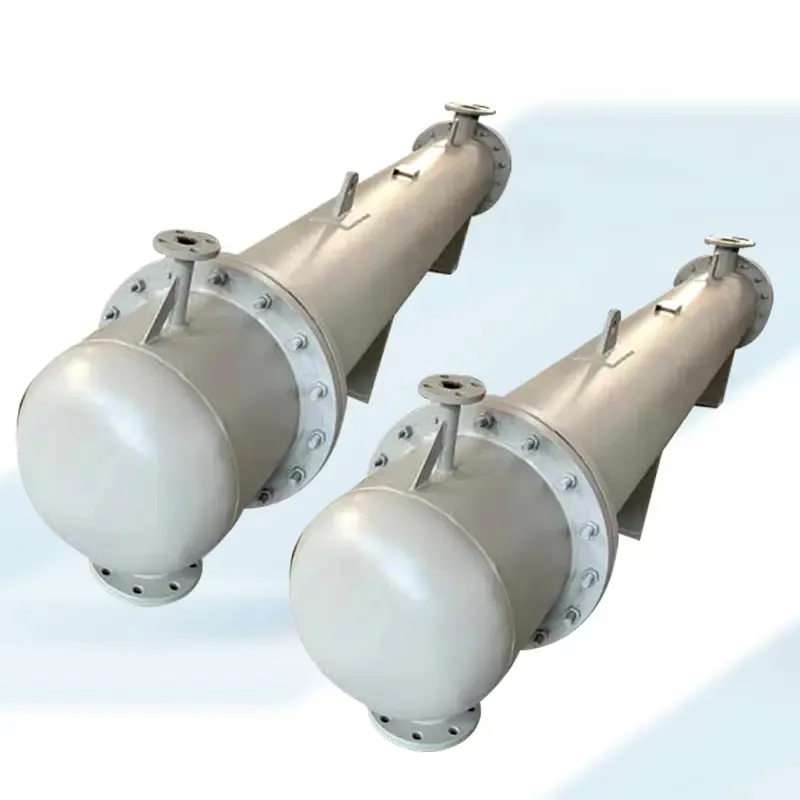
This is the most widely used design in heavy industries. A bundle of tubes sits inside a larger cylindrical shell. One fluid flows through the tubes while another flows around them in the shell.
It's known for handling high pressure and high temperature applications with ease.
Plate Heat Exchanger
Plate Heat Exchanger uses a series of thin, corrugated plates stacked together. The design creates a large surface area in a compact footprint, making it ideal where space is limited but efficiency still matters.
Condensers and Evaporators
Specialized exchangers like chiller condensers, ammonia condensers, and shell and tube evaporators are built for refrigeration and cooling-specific tasks, converting gas to liquid or liquid to gas as part of the cooling cycle.
Tube Bundles and Coolers
Used as replacement components or standalone units, these handle oil cooling and other fluid-cooling needs in industrial machinery.
Key Features of a Good Heat Exchanger
A well-built heat exchanger should hold up under demanding conditions for years. Look for these features:
- Strong corrosion resistance
- High heat transfer efficiency
- Durable finish and build quality
- Extended surface area for better performance
- Construction using high-grade materials
- Robust, space-efficient design
- Ability to withstand wide pressure and temperature ranges
- Advanced thermal insulation for reduced energy loss
These features directly affect how long the unit lasts and how much it saves you in operating costs over time.
Benefits of Using a Heat Exchanger
Energy Savings
By recovering and reusing heat that would otherwise be wasted, a heat exchanger reduces the energy your system needs to run.
Lower Operating Costs
Efficient heat transfer means less fuel, less electricity, and fewer maintenance headaches down the line.
Better Process Control
Precise temperature regulation keeps sensitive industrial processes stable and consistent.
Longer Equipment Life
Preventing overheating or thermal shock protects downstream machinery from premature wear.
Environmental Impact
Lower energy use also means a smaller carbon footprint, which matters more each year as industries move toward sustainability.
Applications and Uses
Heat exchangers show up in almost every sector that involves temperature-sensitive processes:
- HVAC systems in commercial and residential buildings
- Oil and gas extraction and processing
- Oil refining operations
- Petrochemical plants
- Power generation facilities
- Chemical processing units
- Food and beverage manufacturing
- Refrigeration and cryogenics
Each of these industries depends on precise, reliable thermal exchange to keep operations running safely and efficiently.
Buying Guide: How to Choose the Right Heat Exchanger
Choosing the wrong unit can cost you in efficiency and downtime. Keep these factors in mind before you buy:
1. Understand Your Fluid Type
Corrosive, viscous, or high-pressure fluids need different materials and designs than standard water or air-based systems.
2. Check the Temperature and Pressure Range
Make sure the unit is rated for your process's maximum operating conditions, not just the average.
3. Consider Space Constraints
Plate heat exchangers work well in tight spaces, while shell and tube units suit larger industrial layouts.
4. Evaluate Material Quality
Stainless steel and other high-grade alloys resist corrosion better and last longer, especially in harsh environments.
5. Look at Maintenance Requirements
Some designs are easier to clean and service than others. Factor this into your long-term cost calculation.
6. Choose the Right Supplier
Equipment quality is only half the equation — installation support, after-sales service, and customization options matter too.
Importance of Heat Exchanger Manufacturers
The performance of any heat exchange system depends heavily on who builds it. Reliable Heat Exchanger Manufacturers bring precision engineering, tested materials, and quality control to every unit they produce.
Working with experienced manufacturers means you get equipment designed for your specific fluid types, pressure ranges, and industry standards — not a generic, one-size-fits-all product.
This is especially true when sourcing from Heat Exchanger Manufacturers India, where growing industrial demand has led to increased competition and, in turn, better engineering standards. Companies like Abe & Hex India Private Limited have built their reputation by focusing on durability, efficiency, and customer-specific solutions rather than mass-produced, generic units.
A trustworthy manufacturer also offers guidance during the selection process, helping you avoid costly mismatches between your process needs and the equipment you install.
Maintenance Tips for Longer Equipment Life
Even the best heat exchanger needs regular upkeep to perform at its peak. Follow these simple practices:
- Clean regularly to prevent fouling and scale buildup on internal surfaces
- Inspect for leaks at joints, gaskets, and welds during routine checks
- Monitor pressure drops, since a sudden change often signals blockage
- Check for corrosion, especially in units handling aggressive chemicals
- Replace worn gaskets and seals before they fail completely
- Keep flow rates consistent to avoid unnecessary thermal stress on the unit
A simple maintenance schedule can extend the working life of your equipment by years and prevent expensive unplanned shutdowns.
Conclusion
A heat exchanger isn't just another piece of industrial equipment — it's central to how efficiently your entire operation runs. From HVAC systems to power plants, the right heat exchanger design directly impacts your energy costs, process stability, and equipment lifespan.
Whether you're upgrading an old system or building a new one, take time to understand your fluid types, pressure requirements, and space limitations before choosing a unit. And don't overlook the manufacturer behind the product — quality engineering and after-sales support make a real difference over the equipment's lifetime.
If you're ready to invest in a dependable, efficient heat exchanger for your industry, start by comparing manufacturers who understand your specific application and can guide you toward the right fit.
Frequently Asked Questions (FAQs)
1. What is the main function of a heat exchanger?
A heat exchanger transfers heat between two fluids without letting them mix directly, helping control temperature and improve energy efficiency.
2. Which type of heat exchanger is best for industrial use?
Shell and tube heat exchangers are commonly preferred for industrial use because they handle high pressure and temperature ranges well.
3. How often should a heat exchanger be cleaned?
This depends on the fluid and application, but most industrial units benefit from cleaning every 3 to 6 months to prevent fouling.
4. What materials are heat exchangers usually made from?
Stainless steel is common due to its corrosion resistance, though copper, titanium, and other alloys are used for specific applications.
5. How do I choose the right heat exchanger for my business?
Consider your fluid type, temperature and pressure range, available space, and material requirements before selecting a unit.
6. Why should I buy from established heat exchanger manufacturers?
Established manufacturers offer tested designs, better materials, and support during installation and maintenance, reducing long-term risk.
7. Can heat exchangers help reduce energy costs?
Yes. By recovering and reusing waste heat, a heat exchanger lowers the energy needed to heat or cool fluids, cutting operating costs.

























Sign in to leave a comment.