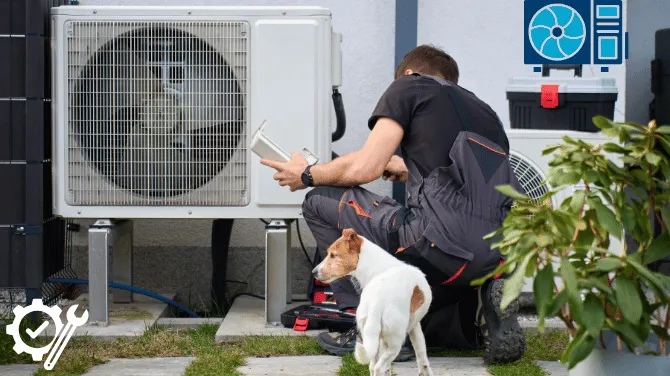

A heat pump can provide heating and cooling for many years, but its lifespan depends on more than the equipment itself. Installation quality, operating conditions, maintenance, and the way the system is used can all influence how long it performs reliably. Understanding these factors can help Halifax homeowners protect their investment and avoid unnecessary wear.
Installation Quality Matters From the Beginning
The quality of the original installation can have a lasting effect on a heat pump. Incorrect connections, poor equipment placement, improper refrigerant work, or inadequate system setup may create problems that become more serious over time.
Working with experienced Heat Pump Installation contractors helps ensure that the system is installed according to manufacturer requirements and suited to the home. A proper installation gives the equipment a stronger foundation for reliable long-term operation.
Choosing the Right System for the Home
A heat pump that is not appropriate for the property may experience unnecessary strain. System capacity, home layout, insulation, existing heating equipment, and the number of areas requiring heating or cooling all need to be considered.
During Heat Pump Installation in Halifax, homeowners should make sure the selected system is suitable for their property's specific requirements rather than choosing equipment based only on its capacity or purchase price.
Outdoor Conditions Can Affect Wear
The outdoor unit is exposed to Halifax's changing weather throughout the year. Rain, snow, ice, moisture, and temperature fluctuations can all affect the equipment over time.
Keeping the outdoor unit in an appropriate location with sufficient clearance helps support proper operation. It should also remain free from obstructions such as leaves, snow buildup, vegetation, or other materials that could restrict airflow.
Regular Maintenance Helps Prevent Excessive Wear
Like other mechanical equipment, a heat pump benefits from regular maintenance. Dirt, restricted airflow, worn components, and other developing issues can make the system work harder than necessary.
Routine inspections can help identify smaller problems before they contribute to more significant equipment damage. Maintenance may include checking system components, airflow, electrical connections, refrigerant-related components, and the condition of the indoor and outdoor units.
A Heat Pump Installation company that also provides ongoing service can be useful for homeowners who want consistent care after the initial installation.
Airflow Problems Can Put Stress on the System
Restricted airflow can affect how efficiently a heat pump operates. Blocked filters, obstructed indoor units, or problems elsewhere in the air distribution system can make the equipment work harder to maintain the desired temperature.
Keeping air pathways clear and addressing airflow concerns when they appear can reduce unnecessary strain. Homeowners should also avoid placing furniture or other objects directly in front of indoor units.
How Home Insulation Affects Equipment Use
The condition of a home's insulation and air sealing can indirectly influence heat pump lifespan. A home that loses large amounts of conditioned air may require the system to run for longer periods to maintain comfortable indoor temperatures.
Improving insulation and addressing significant air leakage can help reduce the heating and cooling demand placed on the equipment. This does not mean every home requires upgrades before installation, but overall building efficiency is worth considering.
Thermostat Habits Can Influence Operating Stress
The way a heat pump is operated can also affect long-term wear. Frequently making large temperature adjustments or using the system in ways that are not appropriate for its design may increase operating demands.
Using the manufacturer's recommended settings and maintaining reasonable temperature levels can support consistent operation. Smart controls and properly configured thermostats can also help homeowners manage the system more effectively.
Refrigerant and Electrical Components Need Attention
Heat pumps depend on several technical components working together. Refrigerant lines, electrical connections, sensors, fans, compressors, and controls all play important roles in system operation.
Problems with these components should not be ignored. Unusual noises, reduced performance, unexpected cycling, or other changes in operation can indicate that professional inspection is needed.
Addressing problems early may prevent a minor issue from developing into a larger repair.
Poor Placement Can Create Long-Term Problems
Where the indoor and outdoor units are installed can influence accessibility, airflow, exposure, and maintenance requirements.
The outdoor unit should have adequate clearance around it, while the indoor unit should be positioned to distribute conditioned air effectively. Proper placement also makes future maintenance easier and can reduce the likelihood of avoidable operating problems.
This is one reason a professional assessment is important before installation rather than treating placement as an afterthought.
The Age and Condition of the Home Matter
Older Halifax homes can have characteristics that influence how a heat pump operates, including older insulation, air leakage, existing heating systems, and different room layouts.
These conditions do not necessarily prevent homeowners from installing a heat pump. However, understanding the home's existing characteristics allows installers to plan the system more appropriately and identify factors that could affect long-term performance.
What Homeowners Can Do to Protect Their Investment
Homeowners can support a longer service life by paying attention to changes in system performance, keeping indoor and outdoor units clear, following recommended maintenance schedules, and arranging professional service when problems arise.
It is also important to keep installation and maintenance records. These records can make it easier to track service history and identify recurring issues over the years.
Choosing Experienced Installation Contractors
The initial installation is an important part of a heat pump's long-term performance. Homeowners should look for Heat Pump Installation contractors who take time to assess the property, explain the recommended equipment, complete the installation correctly, and provide guidance on ongoing care.
A lower installation price does not necessarily represent better long-term value if poor workmanship results in repeated repairs or premature equipment problems.
Conclusion
Several factors can influence how long a heat pump lasts, including installation quality, system suitability, outdoor conditions, maintenance, airflow, home efficiency, operating habits, and component condition. While no system lasts forever, proper installation and ongoing care can help reduce unnecessary wear.
For homeowners considering Heat Pump Installation in Halifax, looking beyond the initial installation and thinking about long-term system care can help protect the investment and support dependable home comfort for years to come.


























Sign in to leave a comment.