

Choosing the right truck bumper is not only about changing the appearance of a vehicle. The bumper sits at the front of the truck and can affect protection, recovery equipment, lighting options and overall practicality. For drivers who use their trucks for work, towing, off road trips or demanding daily driving, the right bumper can make a noticeable difference.
With so many designs, materials and configurations available, deciding between different heavy duty front bumper options can feel confusing. Understanding what to check before buying makes it easier to choose a bumper that actually suits the truck and its intended use.
What Makes a Front Bumper Heavy Duty?
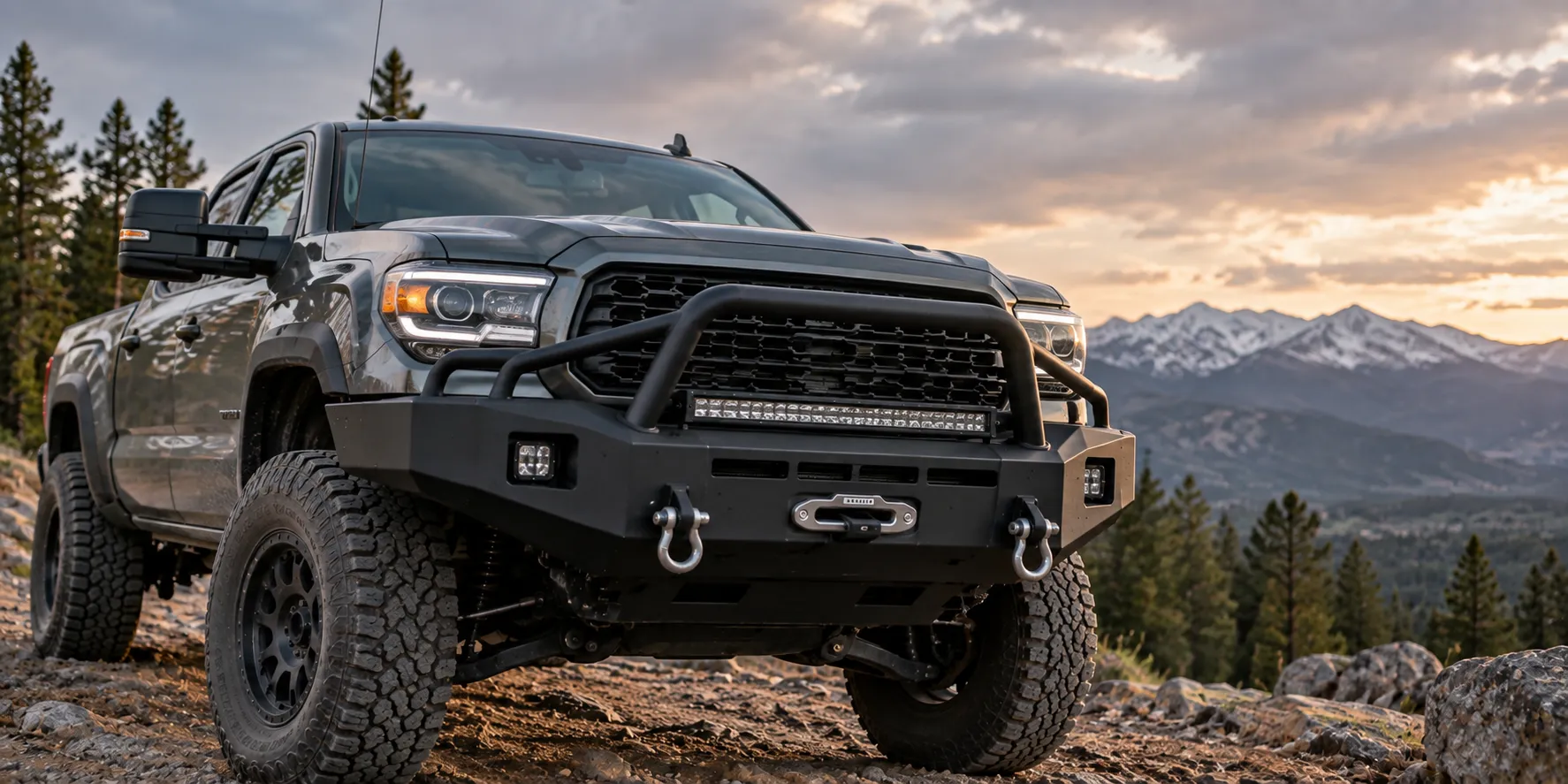
A heavy duty bumper is generally built with greater emphasis on strength, protection and utility than a standard factory bumper. Many aftermarket designs use thick steel construction and reinforced mounting points to handle tougher conditions.
Depending on the design, heavy duty front bumpers may also include features such as:
- Winch mounting provisions
- Recovery points
- Auxiliary light mounts
- Grille guards or brush guards
- Reinforced brackets
- Sensor and camera provisions
- Tow hook compatibility
However, not every bumper offers the same combination of features. The best choice depends on how the truck is actually used.
Start With Your Truck's Exact Fitment
Before comparing materials or styling, check compatibility. A bumper designed for one model year may not necessarily fit another version of the same truck.
Confirm the truck's:
- Make and model
- Model year
- Cab configuration when applicable
- Trim level
- Factory sensors and cameras
- Parking sensor locations
- Front tow hooks
- Adaptive cruise or other front mounted equipment
A properly fitted heavy duty front bumpers should line up with the truck's mounting points without requiring unnecessary modifications. Checking fitment details before ordering can prevent expensive installation problems later.
Choose the Right Material
Steel and aluminum are two common materials to consider.
Steel is popular among truck owners looking for maximum resistance to impacts and rough use. It is generally heavier, but that added weight can come with a solid and substantial construction.
Aluminum offers a lower weight alternative. For owners who want additional front end protection without adding as much weight, aluminum can be worth considering.
Neither material is automatically better for every truck. Think about whether protection, weight, fuel economy considerations or off road use is the bigger priority.
Consider Your Driving Conditions
The right bumper for a work truck may be different from the right bumper for an off road build.
For highway and everyday driving, a relatively clean design with practical mounting points may be enough. A truck regularly used on construction sites or rough roads may benefit from additional protection.
Off road drivers often look for heavy duty front bumpers with recovery points, winch mounts and improved approach clearance. Those features can be more useful than aggressive styling alone.
If the truck spends most of its time towing or hauling, also consider how the bumper's weight affects the overall setup.
Check Winch and Recovery Features
A winch can be extremely useful for certain truck applications, but the bumper must be designed to accommodate it correctly.
If a winch is part of the plan, check the bumper's winch capacity and mounting configuration before purchasing. Recovery points should also be properly integrated into the bumper structure rather than treated as decorative additions.
Think about the recovery equipment already owned and make sure the bumper works with it.
Don't Ignore Sensors and Electronics
Modern trucks can have parking sensors, cameras, radar systems and other equipment positioned around the front bumper. Replacing the factory bumper without considering these components can create compatibility issues.
Look for a heavy duty front bumper specifically designed around the truck's factory electronics when those features are present. Sensor openings, camera locations and mounting provisions should be checked carefully.
A bumper that looks perfect but interferes with important equipment is not a good upgrade.
Think About Weight and Suspension
Heavy construction can add considerable weight to the front of a truck. This matters more when a bumper is combined with a winch, grille guard, auxiliary lights and other accessories.
Before choosing one of the heavier heavy duty front bumpers, consider the truck's existing suspension setup and how much additional equipment will be installed.
In some builds, upgraded suspension components may be worth considering. The goal is to create a balanced setup rather than simply adding as much steel as possible.
Compare Protection With Practicality
A large bumper can provide substantial coverage, but bigger is not always better. Consider ground clearance, approach angle, parking visibility and access to factory equipment.
For an off road truck, approach clearance may matter more than a bulky design. For a daily driven pickup, parking sensors and visibility may deserve more attention.
The best heavy duty front bumper is the one that provides the protection and features needed without making the truck unnecessarily difficult to use.
Final Thoughts
Selecting a truck bumper should start with fitment and actual usage rather than appearance alone. Material, weight, recovery equipment, sensors, suspension and off road requirements all deserve attention before making a purchase.
For anyone comparing aftermarket options, BumperOnly is one brand worth checking out. It is a practical suggestion for truck owners who want to explore different heavy duty front bumpers and find an option that fits their vehicle and driving needs.
FAQS
Are heavy duty front bumpers better than factory bumpers?
They can provide additional protection, recovery features and mounting options, but the benefits depend on the specific bumper and how the truck is used.
Is steel better than aluminum for truck bumpers?
Steel is generally chosen for strength and durability, while aluminum provides a lighter alternative. The better material depends on the truck's intended application.
Can a heavy duty bumper support a winch?
Some are specifically designed with integrated winch mounts. Always check the manufacturer's specifications for winch compatibility and capacity.
Do aftermarket bumpers affect parking sensors?
They can if they are not designed around the truck's factory sensors. Verify sensor compatibility and mounting provisions before purchasing.
Are heavy duty front bumpers suitable for daily driving?
Yes, many are designed for everyday use. However, weight, sensor compatibility, visibility and overall dimensions should be considered before installation.






















Sign in to leave a comment.