Heritage Palace in Bharatpur: Read the Story Behind the Setting


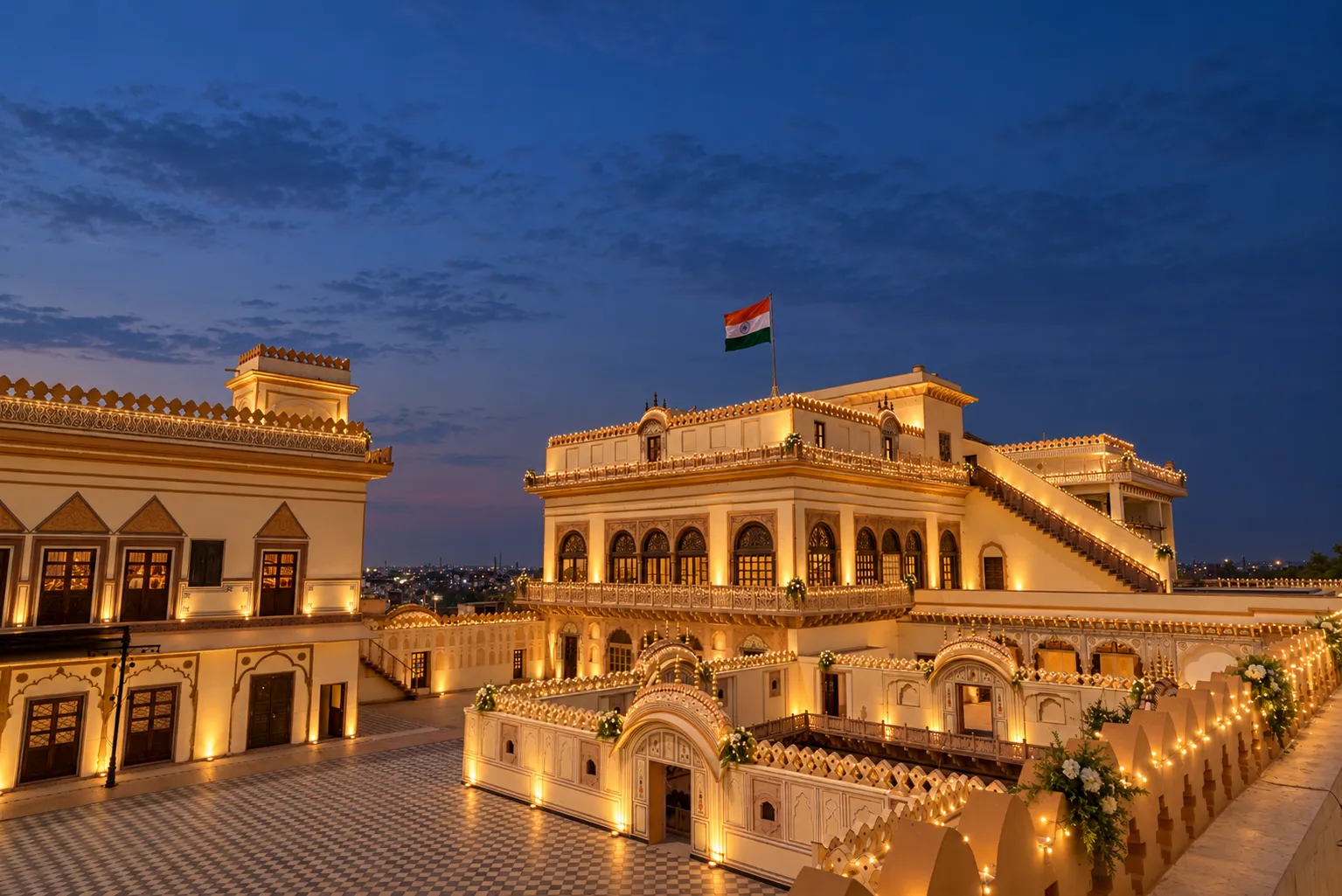
A heritage palace in Bharatpur can give a visit to the city a sense of continuity. The building is more than a place to stay: it offers a starting point for thinking about the people, decisions and changing eras that shaped the region. Mahal Khas Palace, located within Lohagarh Fort and dating to 1826, connects visitors with a particular chapter of Bharatpur’s past while leaving room to explore the city at their own pace.
A history-focused trip does not need to become a formal lecture or a packed itinerary. It can begin with noticing the setting, asking questions and giving each place enough time to make an impression. When the palace is part of the journey rather than simply a stop between sightseeing plans, the visit can feel more thoughtful.
Why a heritage palace in Bharatpur gives a trip context
A historic building creates a useful first question: what was this place built to do, and how has its purpose changed? Mahal Khas Palace dates to 1826 and stands within Lohagarh Fort, giving visitors a direct connection to Bharatpur’s architectural and political history. Its setting can encourage guests to look beyond a single date and consider how a place acquires meaning across generations.
That does not mean visitors need to know the full history before they arrive. A little background can help, but curiosity is enough. Notice what the location suggests about its relationship to the fort and the surrounding city. Ask which parts of the building belong to its historic identity and which reflect its present use. These questions make a visit active without requiring specialist knowledge.
A heritage stay in Bharatpur can also shape the rhythm of a trip. Instead of travelling to the city, seeing one attraction and leaving immediately, visitors have time to consider how the city feels at different points in the day. A morning walk, a pause in the afternoon and an evening conversation about what stood out can create a fuller experience than moving quickly from one landmark to another.
Begin with the setting, then follow your questions
When exploring a historic site, it helps to begin with the larger setting. Look at how the building relates to its surroundings before focusing on individual details. What seems central? Which areas invite movement or gathering? What might the location have made possible for the people who used it? Observations like these can make history easier to remember because they connect information to a real place.
Then follow the questions that interest you. You may want to learn about the palace’s date, its relationship with Lohagarh Fort or the way the building is used today. If interpretive material or a knowledgeable guide is available, ask what is documented and what remains uncertain. Responsible historical storytelling distinguishes evidence from assumption instead of presenting every attractive story as fact.
It is also useful to notice how the past and present share the same space. A historic property may serve a contemporary purpose while retaining elements of its earlier identity. Visitors can appreciate both without expecting the building to function exactly as it once did. This perspective respects the site’s history and the practical realities of its present use.
Look closely without turning the visit into a checklist
Architecture is often easiest to appreciate when you slow down. Rather than trying to photograph every corner, choose a few details and spend time with them. Look at scale, proportion, material, openings and the way light changes the appearance of a surface. These observations are not a substitute for historical information, but they help visitors pay attention.
Carry a few simple prompts in mind: What feature do I notice first? What changes when I look from a different angle? Which part of the setting feels most connected to the building’s purpose? You do not need to answer every question. The prompts simply encourage a more engaged visit.
Photography can support that attention if it does not replace it. Take a photograph, then put the camera away for a moment and look again. If the property has rules about photography or restricted areas, follow them. Respect for a historic place includes respecting the people who work there and the boundaries established to care for the site.
Visitors may also find it helpful to write down one detail that surprised them. A brief note made during the visit can become a useful memory later, especially when several days of travel begin to blend together. It could be a change in light, a question about the building or a connection between the palace and another place visited in Bharatpur.
Build an itinerary around themes, not only distances
A history-focused Bharatpur itinerary can be organised around a theme. One day might focus on the city’s historic setting; another could combine a visit to a cultural site with unhurried time for a meal and conversation. The goal is not to cover every attraction. It is to give each chosen place enough attention to become meaningful.
Before travelling, check current visitor information for the places you hope to see. Opening arrangements, access rules and local conditions can change. Confirming details in advance helps prevent a carefully planned day from becoming a series of last-minute adjustments. If you are travelling with family or in a group, agree on the day’s priorities and leave some flexibility for different interests.
Consider the practical rhythm of the group. Travel time, meals, rest and weather all affect how much a person can comfortably do in a day. Children may need more breaks, while some visitors may prefer a slower pace. Planning for those needs is part of making a cultural visit enjoyable rather than exhausting.
A Bharatpur heritage palace stay can sit at the centre of this kind of plan. Guests can use the palace’s historic context as a starting point, then choose what else they would like to learn about in and around the city. Ask the property directly about its current arrangements and available information rather than assuming a particular tour or service is included.
Ask better questions about conservation and history
Historic properties raise important questions about preservation. How does a building remain useful while its heritage is respected? Which features require special care? How can visitors enjoy a site without placing unnecessary pressure on it? These questions make a trip more responsible and often lead to more informed conversations.
Guests can help by following site guidance, staying within permitted areas and treating historic materials carefully. Avoid touching surfaces unless the property specifically allows it, and do not move objects to improve a photograph. If you are unsure whether an area is open to visitors, ask before entering.
When speaking with staff or guides, ask open questions rather than assuming details. “What is known about this part of the building?” is more useful than asking someone to confirm an unverified story. If you share what you learn later, be careful to distinguish documented information from personal interpretation. Accurate storytelling helps preserve a place’s credibility.
A history-rich stay also gives families a chance to discuss how cities change. What should be preserved? How can a historic structure serve a present-day community? What does a visitor owe to the places they enjoy? These conversations can turn a trip into a learning experience without making it feel like a classroom assignment.
Make room for reflection after sightseeing
After a day of exploring, take a few minutes to reflect before moving on to the next plan. Each person can share one detail they noticed, one question they still have and one place they would like to learn about next. This simple conversation helps children and adults connect individual experiences to a larger picture.
A quiet interval can be useful too. Travellers do not have to discuss every historic detail as soon as they return. Sometimes the value of a visit becomes clearer later, when a conversation or another site provides new context. Leaving space in the itinerary allows those connections to emerge naturally.
The best historical journeys are rarely defined by the number of sites visited. They are shaped by attention, good questions and respect for what is known. Mahal Khas Palace’s location within Lohagarh Fort and its 1826 history offer a starting point for that kind of visit, while Bharatpur provides the broader setting to explore at an individual pace.
For travellers who want their accommodation to be part of the story, a historic palace in Bharatpur can provide a meaningful anchor for a city visit. Plan with curiosity, verify practical details before you travel and choose a pace that lets you notice the place around you. A thoughtful trip can leave you with more than photographs: it can leave you with a clearer sense of how history continues to shape the places people inhabit today.
Frequently Asked Questions
What is Mahal Khas Palace and why should I visit it?
Mahal Khas Palace is a heritage site located within Lohagarh Fort in Bharatpur, dating back to 1826. It offers visitors a unique opportunity to connect with the region's architectural and political history while providing a thoughtful starting point for exploring the city.
How can I make the most of my visit to a heritage site like Mahal Khas Palace?
To fully appreciate your visit, start by observing the larger setting and how the palace relates to its surroundings. Ask questions that pique your curiosity, and take your time to engage with details rather than rushing through a checklist of sights.
Is it necessary to know the history of Mahal Khas Palace before visiting?
While having some background knowledge can enhance your experience, it is not essential. Curiosity and willingness to ask questions can lead to a more enriching visit, allowing you to discover the palace's significance and how it fits into the broader context of Bharatpur.
How can I plan an itinerary around historical sites in Bharatpur?
Organize your itinerary thematically rather than by proximity. Dedicate each day to exploring different aspects of the city's history and culture, ensuring you allow ample time for reflection and discussion after each visit.
What are some respectful ways to engage with a historic site?
Respectful engagement includes following site guidelines, being cautious with historic materials, and asking open-ended questions when interacting with staff or guides. It's important to appreciate both the past and present functions of the site without imposing undue pressure on it.
How can I incorporate reflection into my travel experience?
After visiting a site, take a moment to reflect quietly or have a discussion about what you observed. Sharing thoughts on details that stood out or questions that remain can help deepen your understanding and connect your experiences to a broader narrative.
What practical tips should I consider before visiting Bharatpur?
Before traveling, check for current visitor information like opening hours and any access rules. It's also helpful to discuss priorities with your travel companions and remain flexible to accommodate everyone's interests and needs.




Sign in to leave a comment.