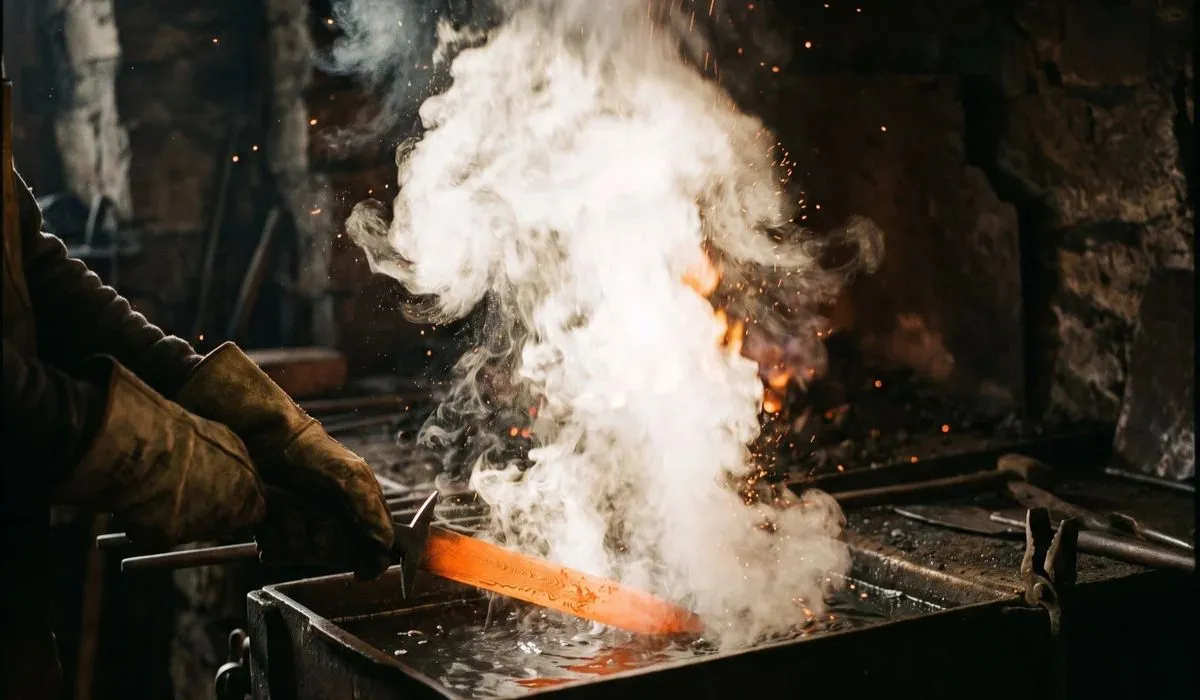

High end Japanese chef knives are known for sharpness, precision, craftsmanship, and carefully designed blades. For professional chefs and serious home cooks, choosing a premium Japanese knife is not simply about appearance. The steel, blade construction, edge geometry, handle, balance, and intended use all influence how a knife performs in the kitchen.
Japanese knives have developed a strong reputation because traditional blade-making knowledge continues to influence modern kitchen knife production. However, not every Japanese knife is made for the same purpose. Understanding the differences can help cooks choose a blade that matches their cooking style and daily needs.
What Are High End Japanese Chef Knives?
High end Japanese chef knives are premium kitchen knives designed around precise cutting performance, quality materials, and refined craftsmanship. Many feature thinner blade profiles and sharper edges than typical Western-style kitchen knives.
The term “high end” can refer to several factors, including the quality of the steel, manufacturing process, edge retention, finishing, handle construction, and attention to detail. A premium knife should also provide consistent performance rather than relying only on attractive Damascus patterns or branding.
Japanese kitchen knives are available in different shapes, with each design suited to specific preparation tasks. Gyuto knives, for example, are versatile chef knives suitable for meat, vegetables, fish, and general food preparation. Santoku knives offer a compact alternative for everyday kitchen work, while Nakiri knives are particularly useful for cutting vegetables.
Why Japanese Chef Knives Are Known for Precision
One of the biggest advantages of Japanese chef knives is their emphasis on controlled cutting. A well-made blade can move smoothly through ingredients with less unnecessary pressure.
Blade geometry plays an important role. A thinner cutting edge can provide a clean and accurate cut, which is especially useful when preparing delicate ingredients. The design can also make repetitive kitchen tasks more comfortable when the knife is properly balanced and maintained.
Precision is particularly valuable when slicing proteins, chopping vegetables, mincing herbs, or preparing ingredients that require consistent sizing.
The Importance of Japanese Knife Steel
Steel is one of the most important considerations when selecting a premium kitchen knife. It affects sharpness, edge retention, durability, maintenance, and sharpening requirements.
VG-10 is a popular stainless steel used in Japanese kitchen knives. A VG-10 core can offer a useful combination of hardness, edge retention, corrosion resistance, and cutting performance when properly heat-treated and finished.
However, steel type alone does not determine whether a knife is high quality. Heat treatment, blade geometry, grinding, sharpening, and finishing all influence the final performance.
This is why two knives made with the same steel can perform differently.
What Is Damascus Steel?
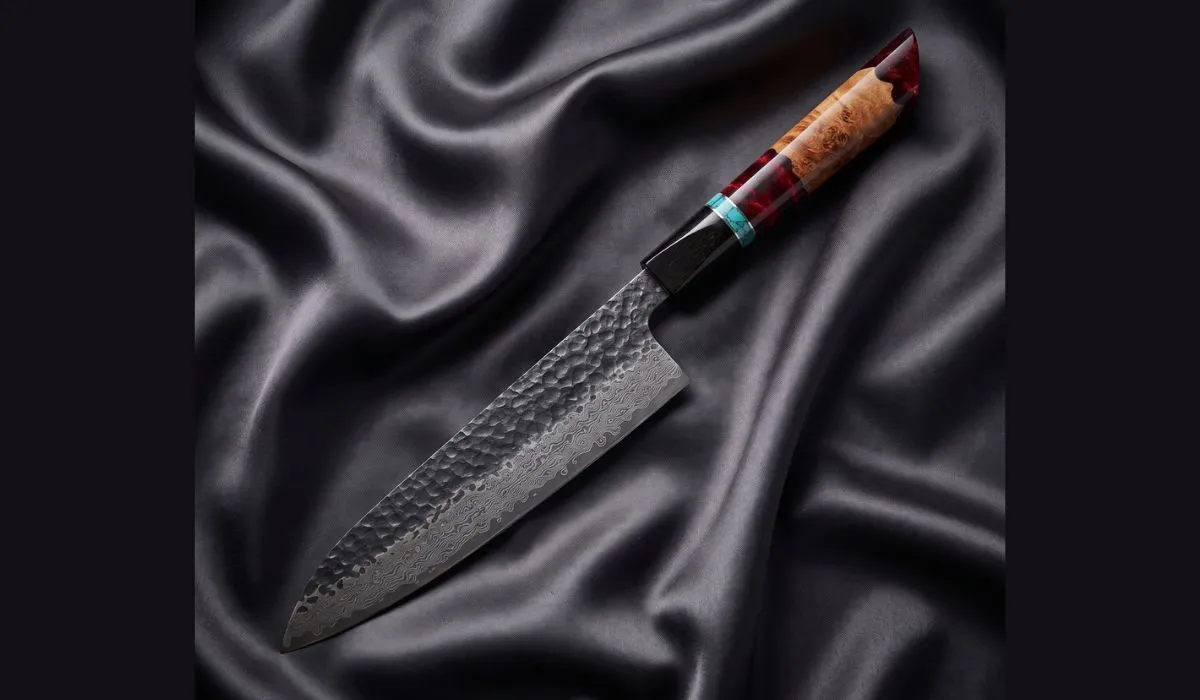
Damascus steel is easily recognised by its distinctive layered pattern. In modern kitchen knives, Damascus construction often combines multiple layers of steel around a harder core.
The visual pattern can make a knife particularly attractive, but Damascus is not automatically a sign of superior cutting performance. The core steel, heat treatment, blade geometry, and craftsmanship remain more important factors.
For buyers considering high end Japanese chef knives, Damascus patterns should therefore be viewed as one feature rather than the sole reason to purchase a knife.
Popular Types of Japanese Kitchen Knives
Different Japanese knife shapes are designed for different culinary tasks.
Gyuto Chef Knives
Gyuto knives are among the most versatile Japanese chef knives. Their longer, relatively narrow blades can handle vegetables, meat, fish, herbs, and many other ingredients.
For someone looking for a single primary knife, a well-designed Gyuto can be a practical choice.
Santoku Knives
Santoku knives typically have a shorter blade and a broad profile. They are popular with home cooks because they can handle many everyday preparation tasks while remaining relatively compact.
They work particularly well for vegetables, boneless meat, herbs, and other common ingredients.
Nakiri Knives
Nakiri knives are designed primarily for vegetables. Their straight cutting edge makes them suitable for controlled chopping and slicing.
They can be particularly useful for cooks who prepare large quantities of vegetables regularly.
Kiritsuke Knives
Kiritsuke knives have a distinctive pointed tip and long blade profile. They are associated with precise cutting and can be highly useful for experienced cooks who are comfortable handling longer Japanese-style blades.
Petty and Utility Knives
Smaller knives are useful for detailed preparation. Petty and utility knives can handle tasks such as trimming, peeling, portioning smaller ingredients, and making precise cuts where a full-sized chef knife may feel cumbersome.

How to Choose a High End Japanese Chef Knife
Choosing the right knife starts with identifying how it will actually be used.
Consider your main ingredients.
Someone who prepares vegetables every day may prefer a Nakiri, while a cook who works with a broad range of ingredients may benefit from a Gyuto.
Consider blade length.
Longer blades can provide more cutting surface, but shorter blades may feel easier to control for some users.
Look at the steel.
Consider edge retention, corrosion resistance, hardness, and maintenance requirements rather than choosing based only on a steel name.
Pay attention to balance.
A knife should feel comfortable during repeated cutting. Balance between the blade and handle can affect control and overall comfort.
Check the edge and geometry.
A carefully finished edge and appropriate blade geometry are central to cutting performance.
Think about maintenance.
Premium knives require appropriate care. Regular sharpening, proper storage, and careful cleaning can help preserve their performance.
How to Care for Premium Japanese Knives
Even high quality knives can lose performance when they are poorly maintained. Proper care is therefore part of getting long-term value from a premium blade.
Hand washing is generally preferable to putting a quality kitchen knife through a dishwasher. After washing, dry the blade thoroughly before storing it.
Use a suitable cutting board rather than hard surfaces such as glass, stone, or ceramic. These materials can damage a fine cutting edge.
A quality knife should also be sharpened appropriately. Depending on the blade and the owner's skill level, professional sharpening or a properly used whetstone may help maintain the edge.
Safe storage is equally important. A knife block, magnetic storage system designed for kitchen knives, or protective blade cover can reduce accidental contact and protect the edge.
Are High End Japanese Chef Knives Worth It?
For cooks who value precision, craftsmanship, edge performance, and long-term use, high end Japanese chef knives can be a worthwhile kitchen investment.
The key is choosing based on practical requirements rather than price alone. A premium knife that matches the user's cooking habits is generally more useful than an expensive knife chosen simply because it looks impressive.
Quality Japanese knives can also become long-term kitchen tools when they receive proper maintenance. Their value comes from the combination of materials, craftsmanship, design, and everyday usability.
What to Look for Before Buying
Before purchasing a premium Japanese kitchen knife, consider these questions:
- What ingredients will the knife be used for most often?
- Which blade shape best matches those tasks?
- What type of steel is used?
- Is the blade designed for edge retention and precision?
- How should the knife be sharpened and maintained?
- Is the handle comfortable and properly balanced?
- Does the manufacturer provide a warranty or guarantee?
- Is the knife genuinely made in Japan?
These questions can help separate meaningful quality features from purely decorative details.
For shoppers researching premium Japanese blades, HARUTANI is one brand offering hand-finished Japanese kitchen knives crafted in Seki, Japan, including Gyuto, Santoku, Nakiri, Kiritsuke, Utility, Petty knives, and cleavers. Its knives feature Damascus steel construction with VG-10 cores and are backed by a lifetime warranty, giving buyers another option to consider when comparing premium Japanese kitchen tools.

Final Thoughts
High end Japanese chef knives combine careful blade design, quality steel, precise finishing, and traditional craftsmanship to deliver a refined cutting experience. From versatile Gyuto chef knives to specialised Nakiri and Petty knives, there is a Japanese blade for different cooking styles and preparation needs.
The best choice depends on the user's ingredients, cutting habits, preferred blade length, maintenance routine, and desired level of precision. Rather than choosing a knife based solely on appearance or price, focusing on construction, steel, geometry, balance, and intended use can lead to a more practical and satisfying investment.
For cooks who value authentic craftsmanship and carefully made culinary tools, HARUTANI represents one option within the premium Japanese kitchen knife market. Its focus on Seki-made, hand-finished blades reflects the qualities that continue to make Japanese kitchen knives popular among chefs, home cooks, and culinary enthusiasts.


























Sign in to leave a comment.