

Dealing with acne can be frustrating, especially when a new pimple appears just as your skin starts to improve. From cleansers and spot treatments to facial masks and skincare gadgets, there is no shortage of products promising a clearer complexion. One device that has attracted attention among skincare enthusiasts is the high-frequency electrical facial wand.
With its glass attachments and gentle buzzing sensation, this tool looks different from ordinary skincare products. It is often promoted as an option for blemish-prone skin, with claims that it can help reduce acne-causing bacteria, calm breakouts, and improve the appearance of the complexion.
But how much of this promise is supported by evidence? Can an electrical skincare device genuinely help with acne, or is it simply another beauty trend?
The answer requires a closer look at how acne develops, what the device actually does, and which benefits remain uncertain. While the technology has a place in some professional beauty routines, strong clinical evidence supporting the use of conventional handheld devices as an acne treatment is limited.
This article explores how the device works, its possible advantages, its risks, and the proven skincare habits that can help you work toward clearer, healthier-looking skin.
What Is a High-Frequency Facial Wand?
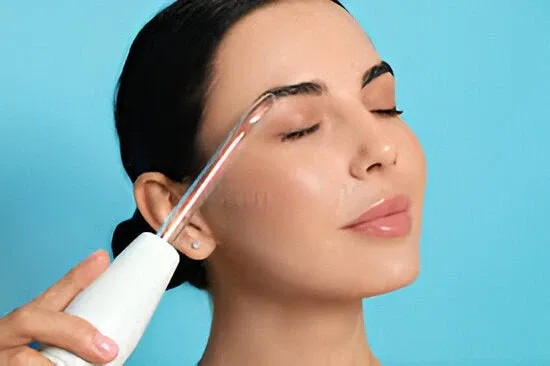
A high frequency wand for acne is a handheld beauty device that delivers electrical energy through a specially designed glass electrode. The electrode attaches to a handle containing the device's electrical components.
Different models may include several glass attachments. Some are narrow for smaller facial areas, while others have rounded or curved shapes intended to follow the contours of the cheeks and forehead.
When activated, the electrode may produce a faint buzzing sound and a mild tingling sensation. Depending on its design and operating conditions, it can also produce a small electrical discharge near the skin's surface.
That discharge may generate small amounts of ozone when oxygen in the surrounding air reacts with it. However, the amount produced and the resulting exposure depend on the particular device and how it is used.
These devices are commonly marketed for cosmetic purposes, including:
- Supporting skincare routines for blemish-prone skin.
- Improving the appearance of oily or congested skin.
- Adding a specialized step to an at-home facial.
- Helping users feel more engaged with their skincare routine.
It is important to distinguish marketing claims from established medical benefits. A product may be designed for facial use without having strong evidence that it can treat a skin condition.
Understanding Why Acne Develops
Before choosing a treatment, it helps to understand what is happening beneath the skin.
Acne often begins when a hair follicle becomes blocked by excess oil and dead skin cells. Bacteria naturally present on the skin, inflammation, and hormonal changes can contribute to the development of spots.
Imagine a drain that collects soap residue and dirt. If the opening becomes blocked, material begins to build up. Skin pores can become clogged in a somewhat similar way, although the biological process is more complex than a household drain.
Several factors can influence acne:
- Hormonal changes: Hormones can increase oil production, particularly during puberty and certain stages of adulthood.
- Excess oil: More oil can contribute to clogged pores in acne-prone skin.
- Dead skin cells: When these accumulate inside follicles, they can help form blackheads and whiteheads.
- Inflammation: The body's response to a clogged follicle can produce redness, swelling, and painful spots.
- Genetics: Some people are more prone to acne because of inherited factors.
Stress may worsen breakouts in some people, while certain skin products can contribute to clogged pores. Acne is not simply the result of having a dirty face, and repeatedly scrubbing the skin can make irritation worse.
This matters because an effective acne treatment should address the processes contributing to breakouts, not just the visible surface of the skin.
What Results Can You Realistically Expect?
Beauty advertisements sometimes suggest that electrical treatments can clear a blemish quickly or prevent future spots. Such claims deserve careful consideration.
It may not clear a pimple overnight
An inflamed pimple develops beneath the skin's surface, so its improvement depends on more than what happens at the surface. There is insufficient strong clinical evidence to say that conventional electrical facial devices reliably make pimples disappear overnight.
Avoid repeatedly treating the same spot in the hope of speeding up recovery. Doing so can irritate the surrounding skin and potentially make the area look worse.
It cannot guarantee fewer future breakouts
Acne often returns because the factors contributing to clogged pores and inflammation remain active. Even when an individual blemish improves, new ones can develop.
A lasting acne-management plan usually focuses on preventing new clogged pores, reducing inflammation, and maintaining consistent skincare habits.
It will not necessarily remove acne marks
Flat brown, red, or dark marks left after a breakout are different from active pimples. These marks can take time to fade, and picking or irritating the skin may make them more noticeable.
A cosmetic electrical device has not been established as a reliable treatment for these marks. Sun protection and appropriate ingredients, such as azelaic acid or certain retinoids, may help depending on the type of discoloration and your skin's needs.
It will not erase acne scars
Depressed scars and raised scars involve changes in the skin's structure. They generally require a different approach from treating active acne.
A dermatologist can explain options such as prescription treatments or selected in-office procedures. Preventing severe acne and avoiding picking are important steps toward reducing the risk of additional scarring.
Important Safety Precautions Before Trying an Electrical Facial Device
An at-home beauty tool should never be treated as risk-free simply because it is sold for cosmetic use.
Before using one, review the manufacturer's instructions and contraindications. Particular care is warranted if you have a pacemaker or another implanted electronic device, a history of seizures, a skin condition causing significant inflammation, or a medical condition that could make electrical treatments unsuitable. Ask a qualified healthcare professional if you are uncertain.
Keep these practical precautions in mind:
- Do not use the device on broken, infected, or severely irritated skin.
- Keep it away from your eyes and from any area the manufacturer excludes.
- Never use it near water or while bathing.
- Avoid flammable skincare products and vapors around an operating electrical device. An electrical discharge can ignite flammable vapors.
- Do not use cracked glass electrodes or damaged electrical equipment.
- Follow the recommended treatment duration and intensity instead of experimenting with stronger settings.
- Clean the attachment according to the manufacturer's instructions.
Stop immediately if you experience burning, pain, blistering, or significant redness. Seek medical advice if symptoms are severe or persist.
Also, avoid combining several irritating treatments in a single session. For example, aggressive exfoliation followed by an electrical device and a strong acne product may leave the skin uncomfortable and inflamed.
Evidence-Based Alternatives for Managing Acne
If your main goal is clearer skin, several established treatments have better evidence for acne than conventional electrical facial wands.
The American Academy of Dermatology's clinical guidelines support treatments including benzoyl peroxide and topical retinoids, with other options selected according to the person's condition and medical history.
Benzoyl peroxide
Benzoyl peroxide helps reduce acne-associated bacteria and is available in several over-the-counter formulations, including washes and gels.
It can cause dryness and irritation, particularly when first introduced. It may also bleach towels, pillowcases, and clothing, so follow the product instructions carefully.
Salicylic acid
Salicylic acid helps loosen material inside clogged pores. It can be useful for some people with blackheads, whiteheads, and mild breakouts.
Start with an appropriate product and avoid layering multiple exfoliating treatments if your skin becomes dry or sensitive.
Topical retinoids
Retinoids such as adapalene help prevent clogged pores and can reduce acne over time. Some formulations are available without a prescription in certain countries, while others require medical supervision.
They can cause dryness, peeling, and irritation, especially early in treatment. Ask a clinician or pharmacist how to use them correctly. Topical retinoids are generally avoided during pregnancy or when trying to conceive unless a qualified clinician advises otherwise.
Azelaic acid
Azelaic acid can help with acne and may also improve some dark marks left after spots heal. It is an option worth discussing with a healthcare professional if breakouts and discoloration are both concerns.
Professional treatment
For severe, persistent, painful, or scarring acne, a dermatologist may recommend prescription creams, oral medication, hormonal treatment, or other approaches based on the diagnosis.
Getting appropriate treatment early can help reduce discomfort and the chance of permanent scarring.
How to Build a Simple Routine for Blemish-Prone Skin
You do not need a complicated shelf of products to care for acne-prone skin. A routine you can follow consistently is often easier to maintain than one filled with gadgets and multiple active ingredients.
Morning
- Wash with a gentle cleanser.
- Apply a moisturizer that suits your skin.
- Use a broad-spectrum sunscreen with SPF 30 or higher.
Evening
- Remove makeup and cleanse gently.
- Apply an appropriate acne treatment according to its directions.
- Use moisturizer to help limit dryness.
Introduce new active ingredients gradually rather than starting several at once. This makes it easier to identify what helps and what causes irritation.
Give a suitable treatment enough time to work. Acne often takes several weeks to improve, and some treatments need a few months for their full effect. If your skin worsens, you develop severe irritation, or you see no meaningful improvement, seek advice from a dermatologist.
Frequently Asked Questions (FAQ)
1. Does a high-frequency device actually treat acne?
Evidence is limited for conventional handheld electrical facial devices. They are marketed for blemish-prone skin, but they have not been established as a reliable replacement for clinically supported acne treatments.
2. How often should I use a high-frequency wand?
There is no universal schedule proven to treat acne with these devices. Follow the manufacturer's instructions and do not exceed its recommended duration or frequency. Stop if irritation occurs.
3. Can I use the device on an active pimple?
Do not assume that treating an individual pimple directly will make it heal faster. Follow the device's instructions, avoid damaged or inflamed skin when prohibited, and consider an established spot treatment instead.
4. Is it suitable for oily skin?
Having oily skin does not automatically make you a suitable candidate for electrical treatments. Gentle cleansing and appropriate acne products are more established ways to manage excess oil and clogged pores.
5. What should I do if my acne keeps coming back?
Consider a consistent skincare routine using an appropriate acne treatment. If breakouts are painful, persistent, or leaving scars, consult a dermatologist to identify the cause and discuss treatment options.
Conclusion
A Kior's high frequency wand facial electrical device may look like a promising shortcut to clearer skin, but it is important to separate appealing beauty claims from proven results. Although these tools are marketed for acne care, strong clinical evidence that conventional handheld devices reliably clear breakouts remains limited.
The most useful approach is to understand why your acne develops and choose treatments that address those underlying processes. Gentle cleansing, suitable moisturizers, sunscreen, and evidence-based acne products can provide a more dependable foundation for skincare.
If you enjoy exploring beauty gadgets, consider the potential risks, follow the manufacturer's safety instructions, and keep your expectations realistic. Do not let an unproven device delay appropriate care if your acne is persistent or painful.
Ultimately, clearer skin is rarely about finding one magical tool. It is about making informed choices, staying consistent with suitable treatments, and seeking professional guidance when your skin needs more support.













Sign in to leave a comment.