
High-Performance Data Center Security Solutions for UAE Businesses protect the infrastructure that keeps banks, hospitals, retailers, telecom operators and government linked entities running every minute of the day. As digital services grow across the Emirates, a layered approach that combines physical protection, network defence and continuous monitoring is no longer optional. This is where Data Center Security becomes a board level priority rather than an IT afterthought.
This guide explains how modern facilities are protected, which technologies matter most, how local regulation shapes design decisions and how to plan a project that performs well for years. It reflects the practical viewpoint of a systems integrator that designs and supports integrated data center protection programmes for enterprises across the region.

Why Data Centers Are a Prime Target in the Emirates
The UAE has positioned itself as a regional digital hub, with cloud regions, colocation campuses, financial platforms and smart city programmes concentrated in Abu Dhabi and Dubai. That concentration of valuable data and critical services attracts organised criminals, hacktivists, insiders and state linked actors. A single successful intrusion, whether a forced door or a compromised administrator account, can lead to outages, regulatory penalties and lasting reputational damage.
Threats also cross the boundary between the physical and digital worlds. An intruder with brief physical access can plant a rogue device on the network, and an attacker with stolen credentials can disable cameras or door controllers remotely. Effective defence therefore treats the building, the network, the people and the data as one connected system.
The Layered Security Model: From Perimeter to Rack
Defence in depth is the guiding principle of every serious facility. Security rings start at the property boundary and move inward through the building shell, the data hall, the cage and finally the individual rack. Each layer delays an attacker, generates evidence and gives responders time to act. Standards such as ISO/IEC 27001, the TIA 942 data center standard and the Uptime Institute tier framework offer a common vocabulary for designing and auditing these layers.
Strong programmes also separate duties. The people who manage physical entry should not be the only people who review the logs, and the administrators who configure firewalls should not approve their own changes. This discipline reduces insider risk and makes audits far more convincing.
Cybersecurity for Data Center Environments
Segmentation and Zero Trust Principles
Cybersecurity for Data Center operations starts with the assumption that no user, device or network segment is automatically trusted. Micro segmentation limits how far an attacker can move after a breach, while strong identity checks, multi factor authentication and least privilege access reduce the damage a stolen password can cause. Management networks for power, cooling and building systems should be isolated from tenant traffic and monitored with the same care as production systems.
Patch, Harden and Verify
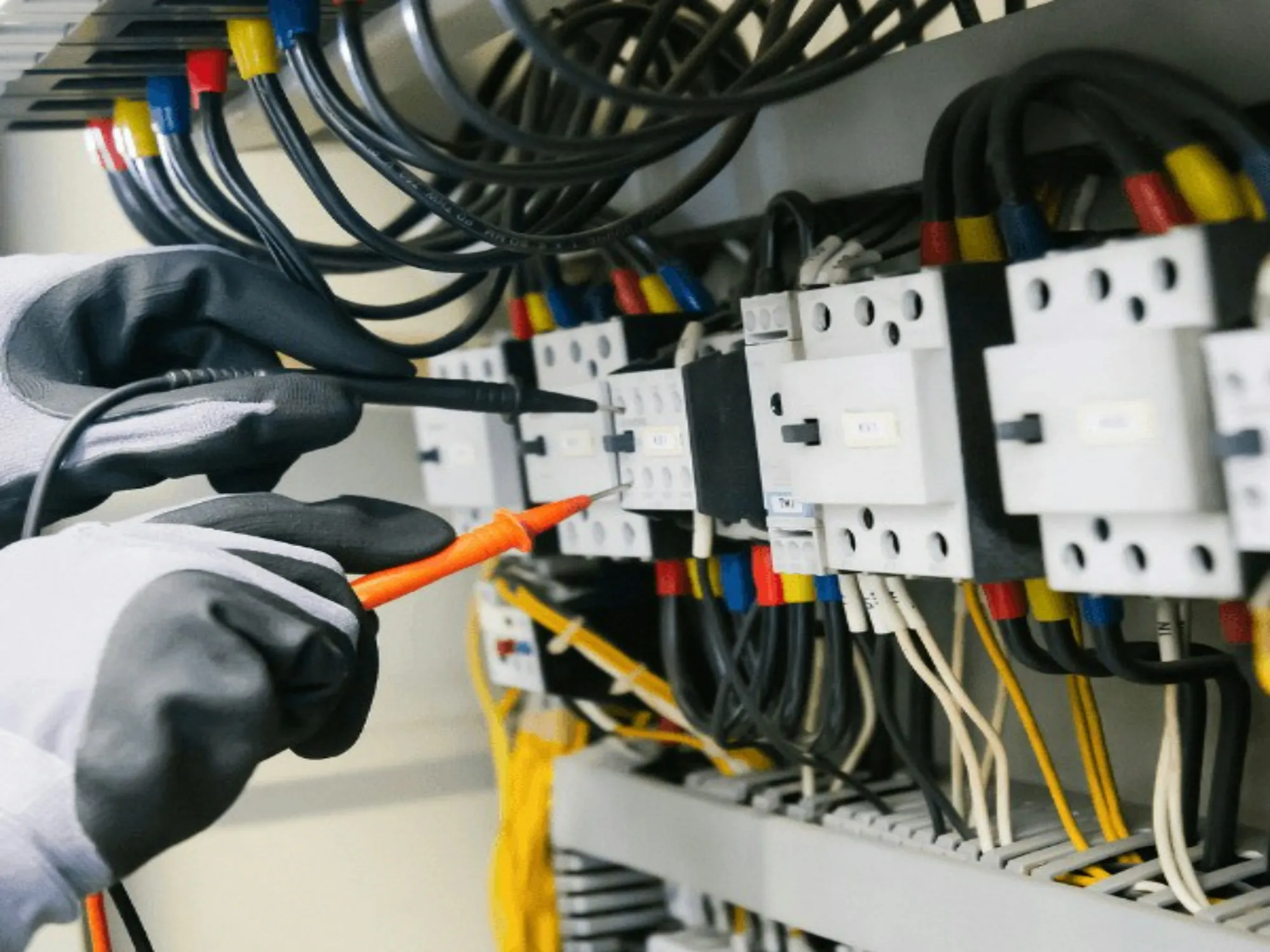
Operational technology is often overlooked. Power distribution units, cooling controllers and badge readers all run software that needs regular updates and secure configuration. A disciplined cycle of inventory, patching, hardening and independent testing closes the gaps that attackers look for first, and it produces the documentation auditors expect to see.
Data Center Encryption and Key Management
Data Center Encryption protects information when it is stored, when it moves between systems and when backups travel off site. Modern designs use strong algorithms such as AES 256 for stored data and TLS for traffic, but the algorithm is only half of the story. Keys must be generated, stored, rotated and retired inside hardware security modules or equivalent controlled services, with clear separation between the teams that use keys and the teams that manage them.
Encryption also supports compliance with data protection duties. Regulators and customers increasingly ask not only whether data is encrypted but also who can reach the keys and how access is recorded. Enterprises that can answer these questions confidently shorten audit cycles and win trust more easily.
Data Center Firewalls and Network Defence
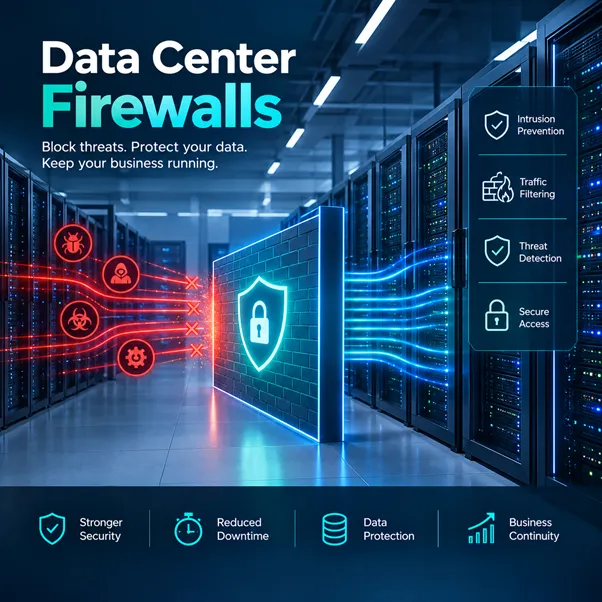
Data Center Firewalls enforce the rules that decide which systems may talk to each other. Next generation platforms inspect applications, users and content rather than just ports and addresses, and they can be deployed at the perimeter, between internal zones and in front of critical workloads. Web application firewalls, distributed denial of service protection and secure remote access gateways complete the picture for internet facing services.
Good firewall governance matters as much as the hardware. Rule sets should be reviewed on a schedule, unused rules removed, changes approved through a documented process and logs forwarded to a central platform so that suspicious patterns are visible to the security operations team.
Data Center Access Control and Physical Protection
Identity Verified Entry at Every Layer
Data Center Access Control determines who may enter each zone, when and for what purpose. Strong programmes combine credentials with biometrics, such as face or fingerprint authentication, and add mantraps, turnstiles and anti tailgating measures at sensitive transitions. Rack level locks and cage controls extend the same policy to individual cabinets so that a visitor authorised for one customer area cannot wander into another.
Visitors, Contractors and Emergency Procedures
Temporary users are a classic weak point. Pre registered visits, escorted movement, time limited credentials and automatic expiry keep contractors under control. Emergency procedures must also be designed carefully so that doors fail safe for life safety while still alerting the control room, and so that fire, power and security systems work together rather than against each other.
Data Center Surveillance and Situational Awareness
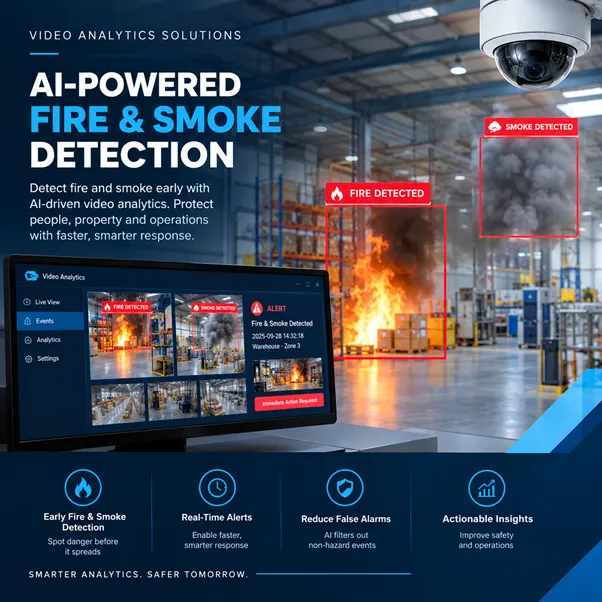
Data Center Surveillance gives operators eyes on every critical path, from the perimeter fence and vehicle gates to the corridors, cages and loading bays. High resolution cameras with low light performance, thermal imaging for the perimeter and sensible retention policies create reliable evidence. Video analytics add real time value by detecting loitering, line crossing, abandoned objects and unusual after hours movement without requiring staff to stare at screens all day.
The strongest results appear when video is linked to other systems. A forced door alarm can pull up the nearest camera automatically, a badge anomaly can trigger a review of the footage and an alert can reach a mobile device within seconds. Integration turns separate devices into one responsive security operation.
Data Center Intrusion Detection and Threat Detection
Intrusion Detection Across Physical and Network Layers
Data Center Intrusion Detection covers both the building and the network. Physical sensors such as door contacts, glass break detectors, fence mounted systems and motion sensors raise alarms when boundaries are crossed, while network intrusion detection and prevention systems watch for exploit attempts, unusual protocols and lateral movement between servers.
Threat Detection Powered by Analytics
Data Center Threat Detection goes a step further by correlating events from many sources. A security information and event management platform, supported by user behaviour analytics and threat intelligence feeds, can reveal that a badge swipe at an unusual hour, a failed login and a new outbound connection are parts of one attack. A well staffed security operations centre then validates alerts, contains incidents and records lessons learned.
Regional Considerations Across the UAE
Data Center Security UAE: Regulation and Resilience
Organisations planning Data Center Security UAE programmes must consider federal data protection law, sector regulations for finance and healthcare, cyber guidance from national authorities and the requirements of free zone regimes such as DIFC and ADGM. Climate adds practical demands as well. Equipment installed at entrances and perimeters must tolerate heat, humidity and dust, and cooling and power resilience must be protected as carefully as the servers themselves. Teams that want to see how these factors translate into a design can review the solution overview on the company website.
Data Center Security Abu Dhabi: Government and Energy Sector Needs
Facilities supporting government entities, energy companies and critical national services typically demand strict compliance, high availability and detailed audit trails. For Data Center Security Abu Dhabi projects, enterprises often prioritise sovereign data handling, hardened perimeters and close integration with existing command and control environments.
Data Center Security Dubai: Colocation, Finance and Technology Hubs
Dubai hosts dense colocation campuses, financial institutions, hospitality groups and technology free zones. In Data Center Security Dubai projects, multi tenant separation, flexible customer access, fast onboarding and premium visitor experience are frequent design priorities. Shared facilities must prove that one tenant can never see or touch another tenant’s systems.
Building Trust: Governance, Testing and Partner Selection
Technology alone does not create security. Mature programmes document policies, train staff, run regular drills, commission penetration tests and review incidents openly. Customers evaluating a provider should ask for evidence such as certifications, reference sites, test reports and clear service level commitments rather than relying on general claims.
Tektronix works with enterprises across the UAE to survey facilities, design security architectures, integrate access, video and network systems, train operators and provide ongoing support. Organisations ready to discuss their own environment can request a facility assessment and receive guidance based on their risk profile, compliance obligations and growth plans.
Protecting Power, Cooling and Environmental Systems
A facility can be breached without a single door being forced. Tampering with power distribution, cooling plant or fire suppression can take services offline just as effectively as a network attack. Environmental sensors that track temperature, humidity, water leaks and smoke should therefore feed the same monitoring platform as security alarms, so that operators see the whole picture in one place.
Access to electrical rooms, generator areas and chiller plants deserves the same rigour as access to the data hall. Engineers should hold only the permissions they need, maintenance windows should be scheduled and logged, and every change to critical infrastructure should be traceable to a named person and an approved work order.
Incident Response and Business Continuity
Prepare Before the Incident
Even the best defences can be tested by determined attackers or by ordinary accidents. Documented response plans define who declares an incident, how evidence is preserved, how customers and regulators are informed and how services are restored. Playbooks for common scenarios, such as ransomware, a lost credential or a forced entry, save valuable minutes when pressure is highest.
Practise, Measure and Improve
Tabletop exercises and live drills expose weaknesses that paper plans hide. Measuring detection time, response time and recovery time gives leaders objective data to guide investment, and post incident reviews turn each event into a lesson. Backup and disaster recovery arrangements, including geographically separate sites, should be tested regularly so that the organisation knows its recovery targets are achievable.
Measurable Business Benefits
A well designed programme reduces unplanned downtime, shortens audit preparation, lowers insurance and incident costs and gives customers confidence to place critical workloads in the facility. Centralised management lets a small team supervise several sites, and open standards protect earlier investments by allowing phased upgrades. For service providers, demonstrable protection is also a commercial advantage that supports premium contracts and long term relationships.
A Practical Implementation Roadmap
- Assess assets, threats, regulations and current gaps.
- Define security zones and the policy for each layer.
- Design network, access, video and detection systems as one architecture.
- Pilot critical controls and measure real performance.
- Integrate alarms, video, identity and monitoring platforms.
- Train operators, test incident response and document procedures.
- Review logs, run audits and plan upgrades on a fixed cycle.
Conclusion
Strong Data Center Security depends on combining resilient Cybersecurity for Data Center controls, reliable Data Center Encryption and carefully governed Data Center Firewalls into one coordinated defence. Physical protection through Data Center Access Control and Data Center Surveillance ensures that every person and movement is verified and recorded. Layered Data Center Intrusion Detection and analytics driven Data Center Threat Detection reveal attacks early enough for teams to respond before services are affected. Enterprise’s planning Data Center Security UAE programmes gain the most when design, compliance and operations are aligned from the start. Whether your facility sits in Data Center Security Abu Dhabi or Data Center Security Dubai, an experienced integrator will help you protect uptime, data and reputation for years.
FAQs
Q1. What are the most important layers of data center protection?
The core layers are perimeter and building security, internal zoning, rack level controls, network defence, encryption, monitoring and response. Each layer should work independently while sharing information with the others so that a failure in one layer is caught by the next.
Q2. How do firewalls and encryption work together?
Data Center Firewalls control which systems may communicate, while Data Center Encryption ensures that data remains unreadable if traffic is intercepted or storage is stolen. Used together with strong key management, they reduce both the chance and the impact of a breach.
Q3. Why combine surveillance with access control?
When Data Center Surveillance is linked to Data Center Access Control, every door event can be verified visually. Operators can confirm who entered, spot tailgating and retrieve evidence quickly, which strengthens investigations and audits.
Q4. What is the difference between intrusion detection and threat detection?
Data Center Intrusion Detection identifies attempts to cross a physical or network boundary, while Data Center Threat Detection correlates many signals over time to reveal patterns that single alarms may miss. The two are most effective when used together.
Q5. How should a business in Dubai or Abu Dhabi begin a security project?
Start with a risk and compliance assessment, then pilot the most critical controls before scaling. Whether the site needs Data Center Security Dubai design for a multi tenant campus or Data Center Security Abu Dhabi planning for a regulated facility, you can review options on the Data Center Security page and speak with a qualified integrator.


























Sign in to leave a comment.