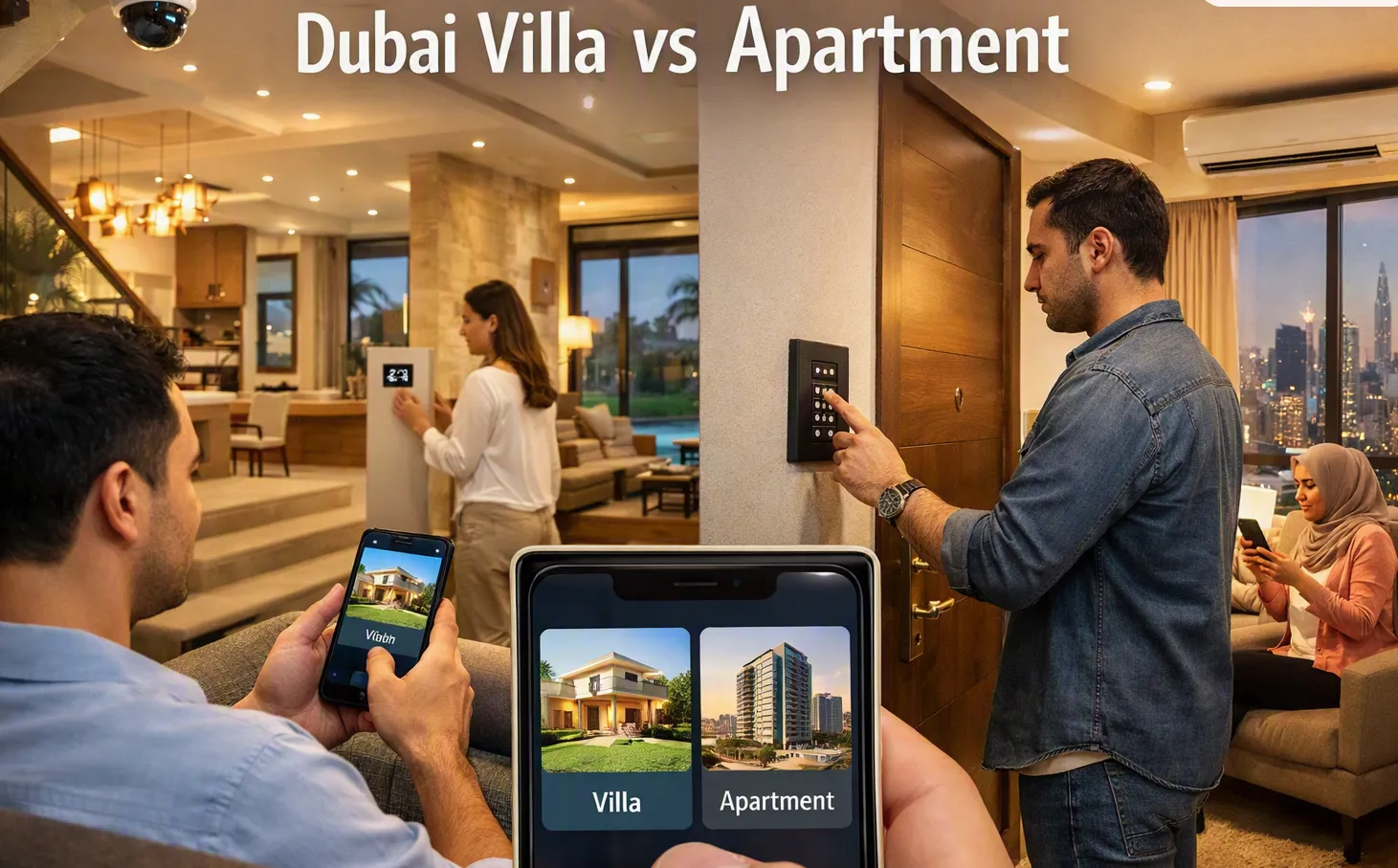

Choosing a Home Automation Company in Dubai can be easier when you first understand how automation works in different types of homes. Villas and apartments have different layouts, electrical systems, room sizes, and security needs. Because of these differences, the right automation setup for one property may not work as well for another. Understanding these points can help homeowners plan a system that suits their space and daily routine.
Why Property Type Matters
The structure of a home has a direct effect on automation planning. A villa may have several floors, outdoor areas, large rooms, parking spaces, and multiple entrances. An apartment usually has a smaller area with fewer rooms and limited access to building services.
These differences affect the number of devices required, where sensors should be placed, and how different systems can be connected. Planning should begin with the actual property rather than simply choosing a large number of smart devices.
Home Automation for Dubai Villas
Villas often provide more space for automation equipment and connected devices. A homeowner may want to control lighting, air conditioning, curtains, entertainment systems, security cameras, door locks, and outdoor lighting from one system.
Multi-floor villas can also use motion sensors and smart lighting in different areas. For example, lights can switch on when someone enters a hallway or staircase. Outdoor lights can follow a schedule, while cameras can monitor entrances and garden areas.
Villas may also have larger cooling requirements. Smart thermostats and temperature sensors can help manage different zones. Instead of cooling every part of the property in the same way, homeowners can control selected areas based on use.
Another point is networking. Large villas may require several access points to provide reliable wireless coverage. Some systems may also use wired connections for important devices where a stable connection is preferred.
Home Automation for Dubai Apartments
Apartments normally have less space, so automation can be more focused. Instead of controlling a large number of zones, residents may start with commonly used features such as smart lighting, air conditioning, curtains, locks, and entertainment devices.
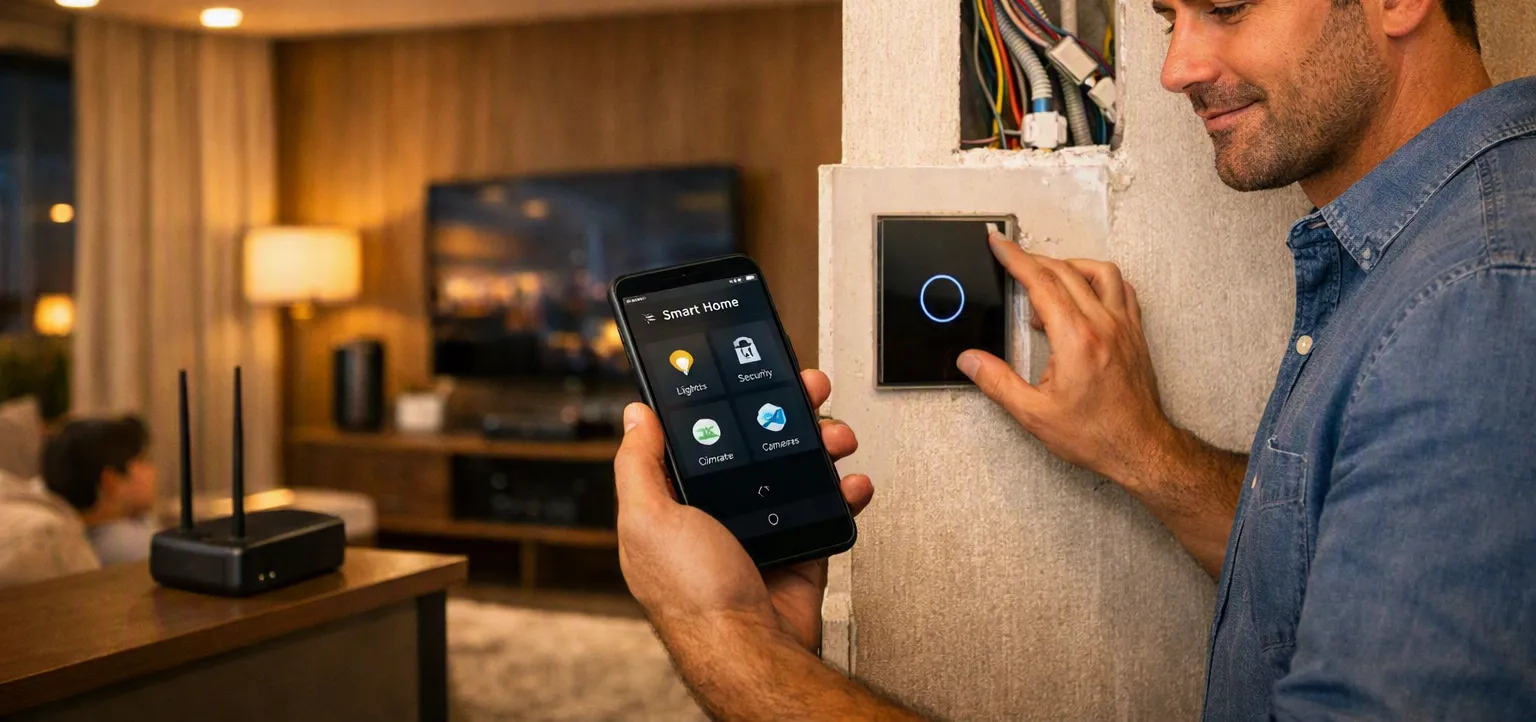
Wireless smart devices can be useful when major electrical changes are not practical. They can often be added to existing rooms without extensive changes to walls or wiring.
Apartment residents should also consider the building's rules. Some buildings may have restrictions on changes to doors, external walls, electrical systems, or shared areas. Devices connected to common building systems may also require approval from building management.
Because apartments usually have fewer entrances and a smaller area, security automation can also be more compact. A smart door lock, video doorbell where permitted, motion sensor, and selected indoor cameras may cover the main needs.
Differences in Wiring and Installation
Wiring is one of the main differences between villas and apartments. A villa under construction or renovation may provide more opportunities to install dedicated wiring for automation devices.
An existing apartment may have fewer options for new wiring. In such cases, wireless devices can reduce the need for major changes. However, wireless systems still need a reliable network and suitable device placement.
For both property types, it is useful to plan automation before major renovation work begins. This can help avoid unnecessary drilling, rewiring, or relocation of electrical points later.
Lighting and Climate Control
Lighting automation can be useful in both villas and apartments, but the scale may differ. A villa can have separate lighting zones for bedrooms, living rooms, stairs, gardens, balconies, and other areas.
An apartment may focus on the living room, bedrooms, kitchen, hallway, and balcony. Scenes can be created for common activities, such as reading, watching a movie, or preparing for sleep.
Climate control is also important in Dubai because air conditioning is used for much of the year. Villas may benefit from separate temperature control for different floors or rooms. Apartments may need fewer zones but can still use smart controls to adjust cooling based on occupancy and routine.
Security Considerations
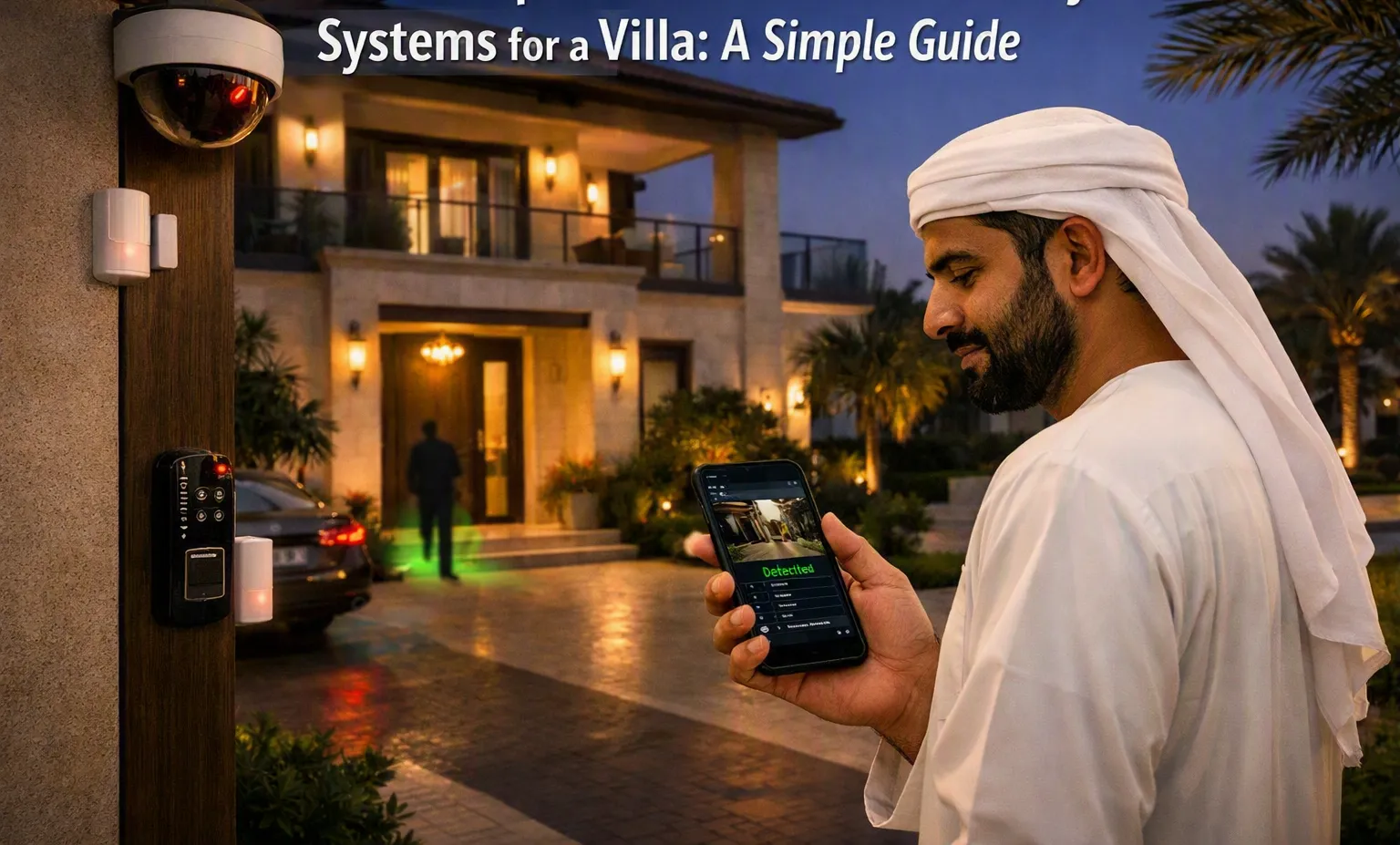
Security needs depend on the property layout. Villas often have several access points, including gates, garages, front doors, and garden entrances. This can create a need for more sensors and cameras.
Apartments generally have fewer external access points. However, residents may still use smart locks, video door systems, sensors, and indoor cameras where allowed.
Privacy should also be considered. Cameras and sensors should be installed only where they are appropriate, and residents should understand how recorded information is stored and accessed.
Choosing the Right Approach
The best automation setup is not necessarily the one with the most devices. It should match the property's size, electrical system, network coverage, daily routines, and future plans.
For a villa, planning may focus on multiple zones, outdoor areas, security, climate control, and whole-home integration. For an apartment, a smaller system covering lighting, cooling, access, and entertainment may provide practical benefits without unnecessary complexity.
Whether the property is large or compact, working with a Home Automation Company in Dubai can help with planning the system around the actual layout, existing infrastructure, and everyday requirements.






















Sign in to leave a comment.