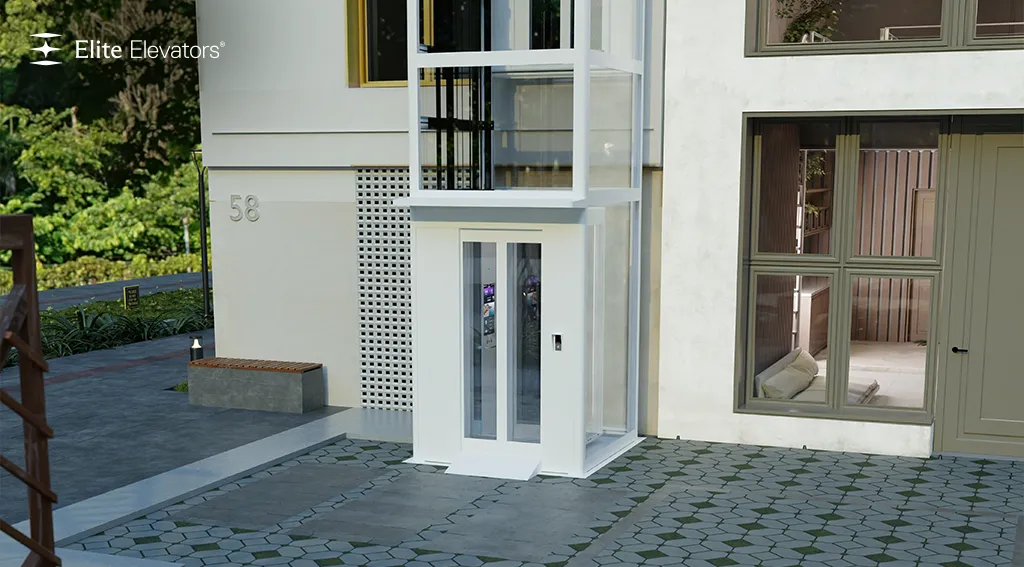

Choosing a Home Lift in Hyderabad: What Homeowners Should Check First

Introduction
You are standing in a half-built house, looking at the staircase that will lead to the second floor. Your parents will be moving in, and a flight of stairs that looked elegant on the drawing suddenly seems steep. That is often when a family starts searching for home elevators in Hyderabad, and the questions come quickly. Which type is right? How much space does it need? Can it be fitted in a house that is already built?
This guide answers those questions in plain language. It covers the main lift types, the space and structural checks, safety, cost, and what to ask a company before you sign anything.
Why More Hyderabad Families Are Planning a Lift
Hyderabad has plenty of independent villas, G+2 bungalows, and compact row houses, and many of them are designed around two or three floors. That layout looks great, but it means someone in the family is climbing stairs several times a day.
The reasons for a lift are usually practical. An elderly parent finds the stairs tiring. A family member is recovering from a knee or hip operation. Someone is tired of carrying laundry, groceries, or luggage between floors. Some people simply want the house to stay comfortable for the next thirty years, whatever happens.
Planning for it early costs less effort than adding it later. Even if you don't need a lift today, deciding where the shaft will go while the house is being designed keeps your options open.
Understanding the Types of Home Lifts
Home elevators are not all built the same way, and the differences affect how the lift feels and what it asks from your house.
Hydraulic lifts
A hydraulic lift uses pressurized oil to push the cabin up and lets it go down gradually. It is a popular choice for houses with a few floors, mainly because the ride is steady and the heavy equipment sits low in the building. These lifts need a space for the pump and tank, and they need regular oil and seal checks.
Gearless lifts
A gearless lift uses a motor and belt or rope arrangement to move the cabin. Many families choose it for very quiet operation, and it often suits homes where the lift will be used often through the day or where more floors are involved. It usually sits at a higher price point than basic hydraulic models.
Stairlifts
A stairlift is a chair that travels along the staircase itself. It does not need a shaft, which makes it useful when building a full lift is not practical. It carries one person at a time, so it is mainly a solution for someone with limited mobility, not a lift for the whole household.
The right choice depends on how many floors you have, who will use the lift, and how much space you can give it. A good company will explain why it recommends a type for your house, not just describe what it sells.
Space, Pit, and Shaft: Check These Early
This is the part of the project that surprises people the most, so give it some attention.
Most lifts need a shaft, which is the vertical space the cabin travels through. They also need a pit at the bottom, and the depth varies by model. Some hydraulic and gearless designs are built to need only a shallow pit, which helps when digging deep is difficult. Ask each company for the exact pit depth and shaft dimensions of the model it proposes, and check them against your drawings.
You should also ask:
- Is a separate machine room needed, or does the lift work without one?
- Where will the equipment sit, and can a technician reach it easily?
- How much clearance is needed above the top floor?
- How wide should the door opening be for the people and items you want to carry?
If the answers are vague, ask the company to visit and measure. A drawing alone won't reveal a beam in the wrong place or a staircase that is too tight.
New Build or Existing House?
If you are still building, the job is simpler. Your architect can reserve the shaft, align it with the staircase, and plan the electrical points at the right locations. Adding a lift during construction usually means less cutting, less rework, and less disruption.
Retrofitting is also possible, and many homes in Hyderabad have gone that route. The team may build the shaft against an outer wall, use a corner of the house, or cut through slabs at each floor. The approach depends on your structure, so ask for a site visit and a clear explanation of what civil work will be needed and who will handle it.
When structural changes are difficult, a stairlift can be a practical alternative, since it fits onto the existing staircase.
Safety Features That Matter Day to Day
A lift is something your family will use every day, including children and older relatives, so safety deserves more than a quick glance at the brochure.
Look for door interlocks that prevent the lift from moving while a door is open and an emergency alarm with a way to call for help from inside the cabin. Find out what happens in a power cut. Many home lifts include a system that brings the cabin to the nearest floor so nobody is stuck, but confirm it for the exact model. Overload protection, an emergency light, and smooth starting and stopping are also worth checking.
Ask about certifications too. European safety standards such as EN 81-20 and EN 81-50 apply to elevators, and the company should be able to tell you which standards each model meets and show the documents. If someone says a lift is "fully safe" without naming anything specific, ask for details.
What Shapes the Cost
Prices vary a lot from one home to another, so a single figure rarely tells you much. These are the factors that move the total:
- The model and drive type
- The number of floors served
- Cabin size, finish, and glass or panel options
- Door type
- Civil work such as pit digging or shaft construction
- Electrical work
- Taxes
- A maintenance contract after installation
Some companies publish starting prices by model and number of floors, which helps you get a rough sense of the range. Treat them as starting points and not final quotes, since customization and site conditions change the figure. When you get quotations, line them up item by item. Two offers with the same total can include very different things, and a cheaper quote may be missing civil work, taxes, or servicing.
Looking Beyond the Brochure: Choosing a Company
Home elevators are a long-term purchase, and the company behind the lift matters as much as the lift itself. Features can be compared on paper. Service quality shows up only after the installation, and by then you have already paid.
Start with residential experience. Homes bring tight spaces and finishes that have to suit the interiors and daily use by people of all ages. Ask to see completed home installations or speak to someone who has bought from the company.
Pay attention to the first visit. A good team measures carefully, asks who will use the lift, and raises problems early. Be cautious about a firm quote given over the phone for a lift that clearly needs shaft work.
Then look at what happens after the sale:
- Is the warranty in writing, and what does it cover?
- Are spare parts easy to get?
- Who answers a service call, and how fast?
- What does the annual maintenance contract include?
Experience centers can help too. Riding in a lift before you buy tells you more about noise, door speed, and comfort than any specification sheet.
Installation and Servicing
Even a well-designed lift can disappoint if it is fitted carelessly. Alignment, door leveling, wiring, and testing all affect how it feels in daily use. Ask who will do the installation, whether it is the company's own team or a subcontractor, and how long the work is expected to take once the shaft is ready.
Once the lift is running, plan for regular servicing. Technicians typically check the safety devices, doors, sensors, and moving parts, and on hydraulic models they also inspect oil, hoses, and seals. A fixed schedule agreed at the time of purchase works better than calling only when something goes wrong, and it usually avoids larger repair bills later.
Before handover, ask for a final test and a short walkthrough so everyone in the house knows how to operate the lift and what to do if it stops between floors.
Making the Decision
Home elevators are no longer something only large houses have. For a family in Hyderabad with two or three floors, a lift can make daily life easier for everyone, and it becomes more valuable as the years pass and needs change.
Start with your house. Decide where the shaft can go, how many floors you need to serve, and who will use the lift most. Compare at least two or three itemized quotations, visit an installed lift if you can, and treat service support as part of what you are buying, not an afterthought. The right lift is the one that fits your space, suits your family, and comes with a company that will still be there to look after it years from now.






















Sign in to leave a comment.