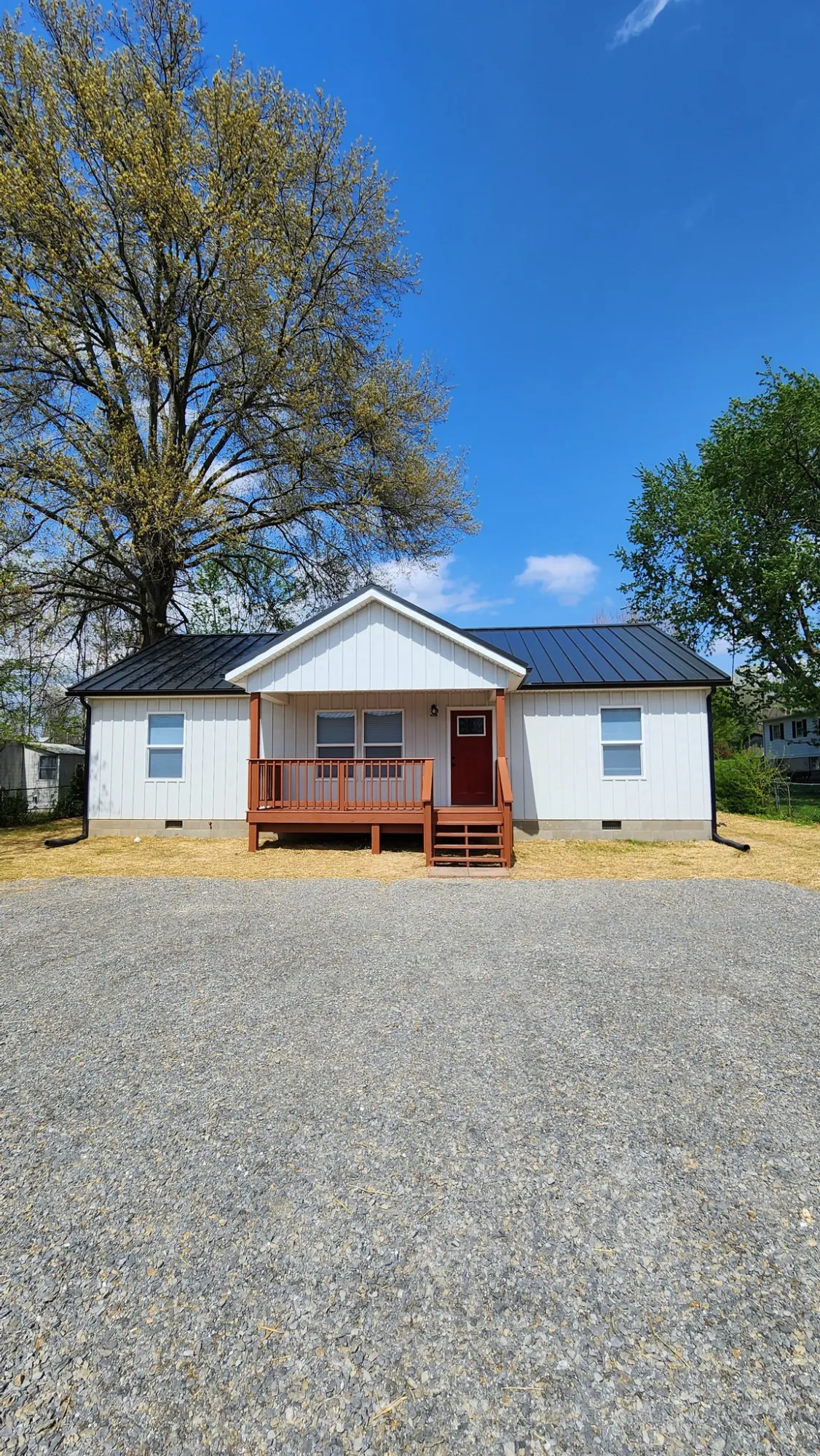

Your home’s exterior is the first thing people notice, but it also protects your family from rain, wind, heat, and cold. If your siding is damaged, your roof is worn, or your paint is peeling, it may be time to make some changes. Choosing the right home exterior contractors can help you improve your home’s appearance, fix common problems, and protect your property for years to come.
Before you start a project, it helps to understand which improvements matter most, how to choose the right team, and what you should expect during the work. With a clear plan, you can make better choices, control your budget, and feel more confident about your investment.
1. Start by Checking Your Home’s Exterior
Before planning a major project, take a close look at the outside of your home. Small signs of damage can point to bigger problems if you ignore them for too long.
Walk around your property and check the roof, siding, gutters, windows, doors, and foundation. Look for loose panels, missing roof shingles, peeling paint, cracked sealant, and water stains. Also, check whether your gutters drain water away from the house.
Make a list of the repairs you notice. This will help you explain your needs when speaking with a home improvement professional.
You do not have to fix everything at once. Start with problems that could allow water inside or cause more damage. Then plan cosmetic updates, such as new paint or decorative siding, when your budget allows.
2. Choose Exterior Upgrades That Fit Your Needs
Every home has different needs. Some houses need a new roof, while others would benefit more from new siding or better gutters. The best choice depends on your home's age, condition, style, and your available budget.
Here are a few popular exterior improvements to consider:
- New siding: Fresh siding can improve your home's appearance and help protect the walls from moisture.
- Roof replacement: A new roof can help prevent leaks and protect the structure below it.
- Exterior painting: A fresh coat of paint can give your home a cleaner, brighter look.
- Gutter replacement: Properly working gutters help direct rainwater away from walls and foundations.
- New windows and doors: Modern options can improve comfort, appearance, and energy use.
- Porch and trim updates: Small changes around entrances and roof edges can make your home look more complete.
Think about what bothers you most about your home's exterior. If you have water stains inside, deal with the source of the moisture before spending money on decorative changes.
3. How to Find Reliable Exterior Home Improvement Professionals
Finding the right team can make a big difference in the quality of your project. A good contractor should understand your goals, explain the work clearly, and provide a written estimate.
Start by asking friends, family members, or neighbors for recommendations. You can also read online reviews and look at photos of completed projects. Pay attention to comments about communication, work quality, cleanup, and how the company handles problems.
When speaking with a contractor, ask a few simple questions:
- How much experience do you have with this type of project?
- Can you provide recent customer references?
- Are you licensed when required by local rules?
- Do you carry the proper insurance?
- What materials will you use?
- How long should the project take?
- What does your written estimate include?
Take time to compare your options. The lowest price may not be the best choice if it leaves out important work or uses poor-quality materials. Look for a team that offers clear answers, fair pricing, and a practical plan.
4. Set a Realistic Budget Before Work Begins
Exterior projects can cost more than expected if you do not plan carefully. Before choosing materials or signing an agreement, decide how much you can comfortably spend.
Ask for a written estimate that separates labor, materials, removal of old materials, cleanup, and any extra fees. This makes it easier to compare quotes from different companies.
It is also wise to keep some money aside for unexpected repairs. For example, removing old siding may reveal damaged wood underneath. A roofing project may uncover weak roof decking that needs repair before new materials can be installed.
Ask the contractor how extra work will be approved and priced. Get changes in writing before the team begins the additional work.
You can also save money by completing related projects together when it makes sense. However, do not cut costs by skipping important repairs or choosing materials that do not suit your home's needs.
5. Pick Materials That Suit Your Home and Local Weather
The materials you choose affect your home's appearance, maintenance needs, and ability to handle local weather. Before making a decision, consider how much upkeep you can manage and how long you plan to stay in your home.
Vinyl siding is popular because it comes in many colors and generally needs little maintenance. Fiber cement siding offers a different look and can stand up to many weather conditions when installed correctly. Wood siding gives a natural appearance but usually needs more care.
Metal roofing can offer a long service life when you choose a suitable product and have it installed correctly. Asphalt shingles are another common option because they come in different styles and price ranges.
Ask your contractor to explain the benefits, limits, and care needs of each material. Check the product warranty, installation requirements, and expected maintenance costs before making your final choice.
Do not choose a product based on appearance alone. The right material should suit your home, your local climate, and your budget.
6. Know What to Expect During the Project
Exterior work can create noise, dust, and temporary changes to your daily routine. Knowing the plan ahead of time can help you prepare.
Before work begins, confirm the start date, expected finish date, payment schedule, and daily work hours. Ask whether you need to move vehicles, clear outdoor furniture, or protect plants near the work area.
Keep children and pets away from active work areas. If workers need access to your driveway or backyard, discuss this before the project starts.
Stay in touch with the project manager or contractor. Ask for updates if the weather causes delays or if the team finds damage that was not visible during the first inspection.
When the work is complete, walk around the property with the contractor. Check the finished areas, ask about any concerns, and confirm that the team has removed leftover materials and debris. Keep copies of your contract, invoices, product details, and warranty papers.
7. Maintain Your Exterior to Avoid Costly Repairs
Once your project is complete, regular care can help you protect your investment. You do not need expensive tools or special skills to handle many basic checks.
Inspect your roof from the ground for missing shingles or visible damage. Clean your gutters as needed, especially after leaves fall. Check siding for cracks, loose panels, and signs of moisture. Look at the paint around windows and doors for peeling or gaps.
Trim tree branches that touch your roof or walls. Keep soil and mulch from covering siding or blocking areas that should drain water away from the house.
Arrange a professional inspection if you notice leaks, soft wood, major cracks, or damage after a strong storm. Fixing a small issue early may help prevent a more expensive repair later.
Make the Right Choice for Your Home
Improving your home's exterior starts with understanding what needs attention and setting clear goals. From roof repairs and siding updates to fresh paint and new gutters, each project should help protect your property while making it more comfortable and attractive. Compare estimates, ask questions, choose suitable materials, and check the finished work before making your final payment. Working with experienced home exterior contractors can help you plan each step with greater confidence. If you are exploring exterior improvement products and solutions, VestaMe Sales is worth considering as a starting point for your research. Take the first step by inspecting your home, listing your priorities, and planning upgrades that fit your needs and budget.























Sign in to leave a comment.