

Renovating a home can be exciting, but it can also become stressful when the project starts without proper planning.
A renovation may involve something as simple as repainting and replacing furniture, or it may include major changes such as kitchen remodeling, bathroom upgrades, flooring, electrical work, false ceilings, wardrobes and complete interior redesign.
The challenge is knowing what to do first, how much to budget and how to coordinate different types of work.
For homeowners planning home renovation in Pune or Lohegaon, a structured approach can make the process much easier.
Instead of starting with individual products or design ideas, begin by understanding the condition of the home, identifying your priorities and creating a realistic renovation plan.
1. Start by Identifying What Needs to Change
Before discussing colours, furniture or finishes, walk through the entire home and make a list of what actually needs improvement.
Look at:
- Walls and paint
- Flooring
- Electrical points
- Plumbing
- Kitchen
- Bathrooms
- Doors and windows
- Wardrobes
- Storage
- Lighting
- False ceiling
- Furniture
- Overall layout
Separate these into three categories:
Must Fix
Problems that affect safety, functionality or maintenance.
Should Improve
Things that are functional but outdated or inconvenient.
Nice to Have
Decorative upgrades that can be added if the budget allows.
This simple classification can prevent you from spending too much on cosmetic improvements while ignoring important underlying issues.
2. Decide Whether You Need a Partial or Complete Renovation
Not every home requires a complete renovation.
A partial renovation may focus on specific areas such as:
- Kitchen
- Master bedroom
- Bathroom
- Living room
- Flooring
- Painting
A complete renovation may involve several areas simultaneously, including civil, electrical, plumbing, carpentry, lighting and interior finishing.
The right approach depends on the age and condition of the property and your long-term plans.
If you expect to stay in the home for many years, it may make sense to address multiple issues at once rather than repeatedly disrupting the house.
3. Set a Realistic Renovation Budget
Budgeting is one of the most important parts of renovation planning.
Don't begin by asking only:
“How much will the interiors cost?”
Instead, consider the complete project.
Your renovation budget may include:
- Civil work
- Demolition
- Electrical work
- Plumbing
- Flooring
- Painting
- False ceiling
- Kitchen
- Wardrobes
- Furniture
- Lighting
- Bathroom upgrades
- Hardware
- Design fees
- Labour
- Transportation
- Waste removal
It is also sensible to keep some budget flexibility for unexpected site conditions.
Older homes can sometimes reveal issues only after existing finishes or fittings are removed.
4. Prioritise Structural and Functional Work
If your renovation includes electrical, plumbing, waterproofing or civil work, these should generally be addressed before decorative finishes.
For example, there is little benefit in installing a new false ceiling if electrical wiring above it still needs major changes.
Similarly, painting should generally come after major wall-related and installation work.
A practical sequence is:
Assessment → Planning → Civil work → Plumbing/Electrical → Flooring/Ceiling → Carpentry → Painting → Fixtures → Final finishing
The exact order can vary depending on the project.
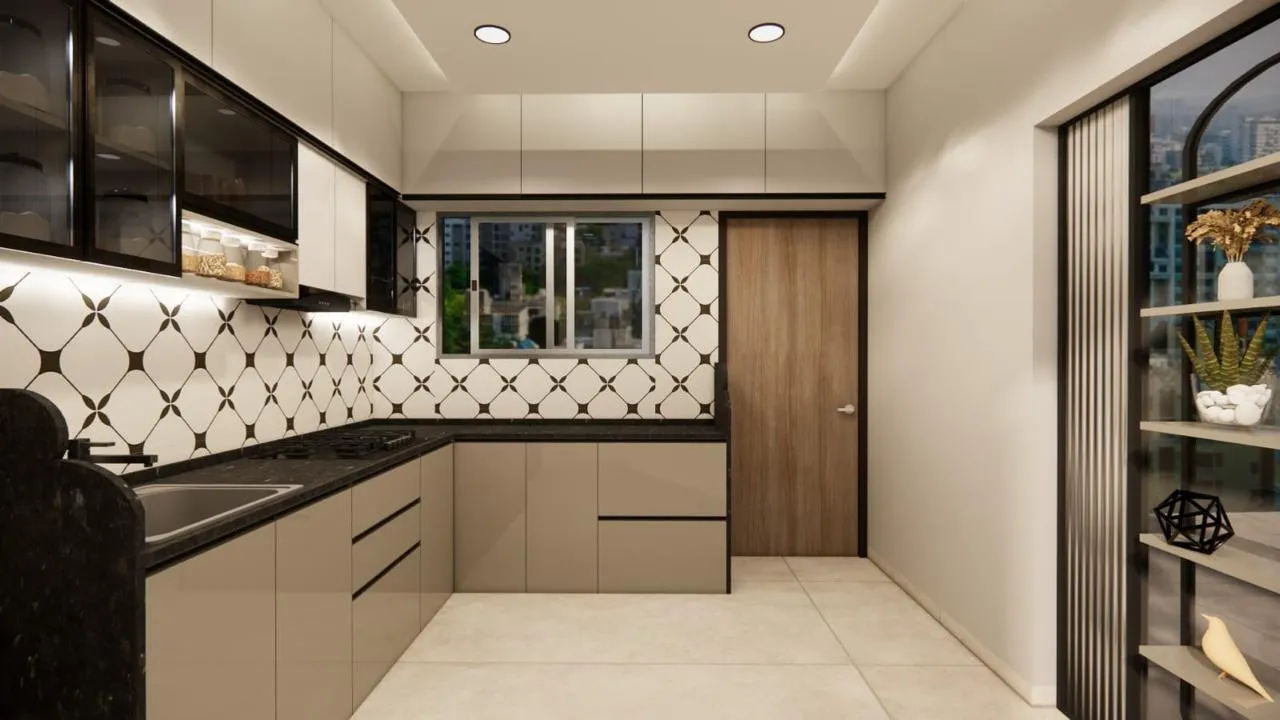
5. Think About the Kitchen First
The kitchen is often one of the most valuable areas to renovate because it combines storage, appliances, plumbing, electrical work and daily activity.
Before designing a new kitchen, evaluate:
- Existing layout
- Countertop height
- Storage capacity
- Appliance locations
- Plumbing
- Electrical points
- Ventilation
- Natural light
- Flooring
- Wall condition
If the existing layout works well, you may not need to completely change it.
Sometimes replacing cabinets, improving storage and upgrading lighting can significantly improve the kitchen without unnecessary structural changes.
For homeowners considering a new modular kitchen, planning should be based on actual cooking habits and storage requirements rather than appearance alone.
6. Upgrade Storage According to Your Lifestyle
Renovation is a good opportunity to solve long-standing storage problems.
Think about what you currently struggle to store.
For example:
- Clothes
- Shoes
- Books
- Kitchen equipment
- Cleaning supplies
- Children's belongings
- Documents
- Luggage
- Seasonal items
Instead of simply adding more cabinets, plan purpose-specific storage.
A tall wardrobe may work better than multiple small units.
A full-height kitchen pantry may provide more useful storage than several scattered shelves.
Good storage planning can also make the home look cleaner without adding excessive furniture.
7. Reconsider the Electrical Layout
If your existing home is several years old, electrical requirements may have changed significantly.
Modern homes often use more devices than they did when the property was originally constructed.
During renovation, review the locations of:
- Switchboards
- Charging points
- TV connections
- Wi-Fi equipment
- Kitchen appliance points
- AC points
- Work-from-home sockets
- Lighting
- Decorative lighting
Electrical modifications should be planned before the final finishes are completed.
This is also the right time to discuss future requirements rather than waiting until the renovation is finished.
8. Don't Ignore Plumbing and Waterproofing
Some of the most important renovation work is hidden behind walls and floors.
Bathrooms and kitchens should be inspected for signs of:
- Leakage
- Dampness
- Damaged plumbing
- Poor drainage
- Waterproofing problems
- Seepage
If a visible wall has recurring dampness, simply repainting it may not solve the actual problem.
The source should be identified and addressed before applying new finishes.
This is especially important during bathroom renovations.
9. Choose Materials for Long-Term Use
Renovation materials should be selected according to both appearance and practicality.
For each material, ask:
- Is it suitable for this room?
- How easy is it to maintain?
- How often will it be used?
- Is it exposed to moisture?
- Is it likely to be scratched or damaged?
- Can it be repaired or replaced easily?
For example, kitchen materials need to handle regular cleaning and exposure to moisture, heat and food.
Bathroom finishes need different considerations from bedroom furniture.
There is no single material that is best for every part of the house.
10. Plan the Design Before Starting Demolition
One common renovation mistake is beginning demolition before the final design has been properly planned.
Before removing existing elements, try to finalise:
- Layout
- Kitchen design
- Wardrobe locations
- Electrical points
- Plumbing changes
- Flooring
- Ceiling
- Lighting
- Paint colours
- Major furniture
This reduces the possibility of discovering later that a wall, socket or plumbing point should have been retained or moved.
Planning first can save both time and money.
11. Think About the Timeline
Renovation affects your daily life.
If you are living in the home during the project, discuss the expected sequence carefully.
For example, you may want to complete:
- Structural/civil work
- Plumbing
- Electrical
- Flooring
- Ceiling
- Carpentry
- Painting
- Fixtures
- Final cleaning
The actual timeline will depend on the size and complexity of the project.
Delays can occur because of material availability, site conditions, design changes and coordination between different trades.
A realistic schedule is therefore better than an overly aggressive deadline.
12. Decide Whether to Stay at Home During Renovation
For small projects, homeowners may be able to continue living in the property.
For larger renovations involving demolition, extensive dust, electrical work, plumbing or multiple rooms, temporarily relocating may be more comfortable.
Consider:
- Number of rooms being renovated
- Availability of another bathroom
- Kitchen usability
- Children or elderly family members
- Dust and noise
- Duration of the work
If you remain at home, discuss how the site will be separated and protected.
13. Renovating an Older Pune Home
Older homes can require additional investigation before renovation.
Depending on the property, you may need to examine:
- Existing wiring
- Plumbing
- Dampness
- Flooring condition
- Wall condition
- Doors and windows
- Ceiling
- Waterproofing
- Previous modifications
A renovation should not simply cover old problems with new finishes.
If there is an underlying issue, it is usually better to identify it before investing in new interiors.
14. Home Renovation in Lohegaon
For homeowners planning home renovation in Lohegaon, the same principles apply: assess the existing property first and then plan the renovation around the family's requirements.
Whether the project involves a flat, apartment or independent home, consider:
- Available space
- Existing construction
- Storage requirements
- Kitchen condition
- Bathroom condition
- Electrical infrastructure
- Interior style
- Budget
- Future needs
The renovation should be customised to the actual property rather than based entirely on an online reference image.
15. Avoid Changing the Design Too Often
Design changes during execution can create unnecessary delays and additional costs.
For example, changing the wardrobe design after carpentry has started may affect:
- Material orders
- Electrical points
- Measurements
- Labour
- Timeline
Similarly, changing tile selections or kitchen finishes after installation has begun can complicate the project.
Try to finalise major decisions before execution.
16. Think About Lighting as Part of the Renovation
Changing the lighting can dramatically affect the appearance of an older home.
Instead of using only one central ceiling light, consider:
- Ambient lighting
- Task lighting
- Bedside lighting
- Under-cabinet lighting
- Accent lighting
- Decorative pendants
Lighting should correspond to how each room is used.
A reading area, kitchen countertop and dressing unit may require different lighting from the rest of the room.
17. Don't Forget the Exterior of the Interior Project
Some homeowners focus entirely on visible finishes and overlook small functional details.
During renovation, also consider:
- Door hardware
- Handles
- Hinges
- Curtain tracks
- Switch plates
- Skirting
- Ventilation
- Storage accessories
- Cable management
These details may seem small individually, but together they affect the quality of the finished home.
18. Work With a Clear Scope of Work
Before starting the project, make sure you understand what is included.
A renovation scope can specify:
- Rooms covered
- Civil work
- Electrical work
- Plumbing
- Carpentry
- Materials
- Finishes
- Fixtures
- Labour
- Installation
- Handover
This makes it easier to compare quotations and reduces confusion during execution.
If you are working with a professional interior and construction team, a clear scope also makes project coordination easier.
You can explore Ekratna Interiors and Constructions' services to see the range of interior, construction, renovation and project-support services offered.
19. Don't Choose a Contractor Based Only on the Lowest Quote
A low quotation may look attractive initially, but price alone should not determine your decision.
When comparing renovation proposals, consider:
- Scope of work
- Material specifications
- Workmanship
- Project management
- Timeline
- Communication
- Warranty/support
- Previous project experience
Two quotations with different prices may not actually be offering the same scope.
Always compare them on a like-for-like basis.
20. Plan for the Final Handover
The renovation is not finished when the carpentry or painting is completed.
Before handover, inspect:
- Doors and drawers
- Electrical points
- Lights
- Plumbing fixtures
- Kitchen hardware
- Wardrobe shutters
- Paint finish
- Flooring
- Silicone/sealant work
- Cabinet alignment
- General cleanliness
Create a final snag list and address outstanding items before considering the project complete.
Common Home Renovation Mistakes to Avoid
Starting Without a Clear Budget
This can lead to uncontrolled spending.
Renovating Without Checking Existing Problems
New finishes cannot permanently solve hidden plumbing, dampness or electrical issues.
Changing Designs Midway
Frequent changes can increase cost and delay the project.
Ignoring Storage
A visually attractive home can still become cluttered without adequate storage.
Choosing Materials Only for Appearance
Consider maintenance and long-term use.
Not Planning Electrical Points
Adding them after interiors are completed can be difficult.
Comparing Quotes Only by Price
Always compare the scope, materials and execution quality.
A Simple Home Renovation Checklist
Before starting your renovation, make sure you have considered:
- Renovation requirements
- Existing-condition inspection
- Budget
- Scope of work
- Layout
- Electrical plan
- Plumbing requirements
- Kitchen
- Wardrobes
- Flooring
- False ceiling
- Lighting
- Paint
- Materials
- Timeline
- Contractor/team
- Final inspection
A checklist like this can help you approach renovation systematically instead of making decisions one at a time during execution.
Frequently Asked Questions
How much does home renovation cost in Pune?
There is no fixed renovation price because the cost depends on the size of the home, scope of work, materials, civil changes, kitchen, wardrobes, electrical work, bathrooms and finishing requirements.
How long does a home renovation take?
The timeline depends on the scope and complexity of the project. A small room upgrade can be much faster than a complete home renovation involving civil, electrical, plumbing and carpentry work.
Should I renovate the entire house at once?
Not necessarily. A partial renovation can make sense when only specific areas need improvement. However, a complete renovation may be more efficient if multiple systems or rooms require major work.
Should electrical work be done before painting?
Generally, major electrical work should be completed before final painting and finishing. The exact sequence depends on the project.
Is renovation better than buying a new home?
It depends on the property's condition, location, budget and your long-term requirements. Renovation can significantly improve an existing home's functionality without requiring a move.
Can I renovate while living in the house?
It is possible for smaller projects, but extensive renovation can involve significant noise, dust and disruption. The decision depends on the scale of work and household requirements.
What should I renovate first?
Start with issues affecting safety, structure, plumbing, electrical systems, waterproofing and functionality. Decorative upgrades can follow.
Conclusion
A successful home renovation is not simply about making an old home look new.
It is about improving how the home works for the people living in it.
Start by understanding the existing condition, define your priorities, set a realistic budget and plan the complete scope before execution. Give proper attention to electrical work, plumbing, storage, lighting and materials instead of focusing only on decorative finishes.
Whether you're planning a partial renovation or a complete home transformation, careful planning can reduce unnecessary changes and make the execution process smoother.
If you're looking for home renovation in Pune or Lohegaon, Ekratna Interiors and Constructions can help with interior, renovation and related project requirements.
Explore Ekratna Interiors and Constructions' services, learn more about the company, or contact the team to discuss your project.
Ekratna Interiors and Constructions - Interior Designer in Lohegaon
Address: Shop No. Upper 16, L Square, Porwal Rd, Kutwal Colony, Lohegaon, Pune, Maharashtra 411047
Phone: 9970427778
Email: [email protected]
Website: https://ekratnainteriors.com/
Plan the renovation properly today, and enjoy a better home for years to come.



























Sign in to leave a comment.