

Renovating a home can be an exciting opportunity to improve comfort, functionality, and long-term value. Whether you are updating an older property, changing the layout, or creating more useful living space, a successful project starts with realistic expectations and careful planning.
A well-planned home renovation Toronto project should begin with a clear understanding of what you want to change. Before discussing materials or designs, homeowners should identify their priorities, establish a budget, and consider how the renovation will affect their daily routine. Having these details organized early can make conversations with contractors much easier.
Start With a Clear Renovation Plan
Before construction begins, walk through your home and make a list of improvements you would like to make. Separate essential repairs from cosmetic upgrades so you know where your budget should go first.
Consider questions such as:
- Which rooms need the most attention?
- Are there structural or maintenance problems?
- Do you need additional living space?
- Is the current layout practical?
- Which upgrades are essential?
- Which features can wait until later?
A clear plan helps prevent unnecessary changes once work has started.
Set a Realistic Budget
Budgeting is one of the most important parts of any renovation. Homeowners often focus on visible items such as flooring, cabinets, countertops, fixtures, and paint while overlooking labor and construction-related expenses.
Your budget may need to account for:
- Materials and fixtures
- Labor
- Demolition and disposal
- Plumbing and electrical work
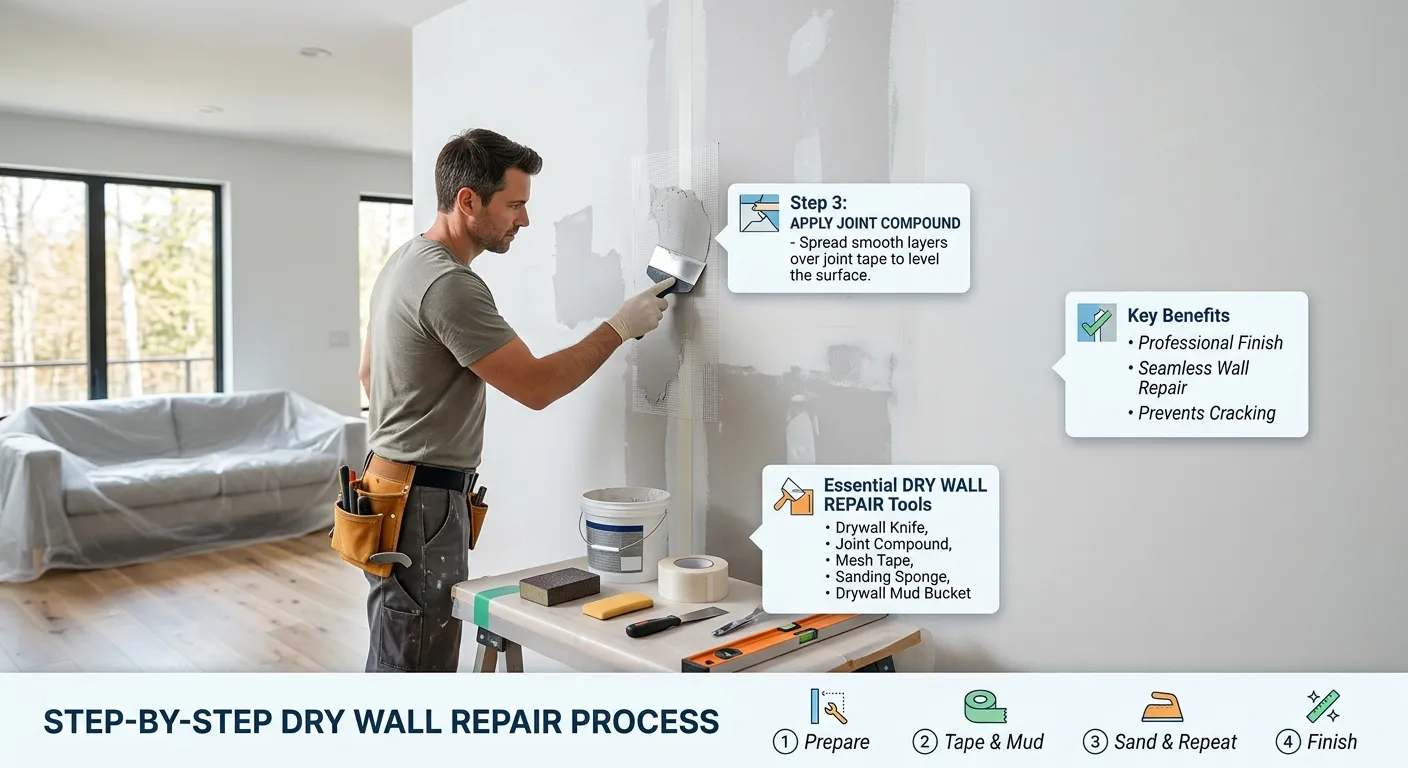
- Drywall and carpentry
- Flooring and painting
- Permits and inspections where required
- Unexpected repairs
It is wise to keep a contingency amount available. Older properties can sometimes reveal hidden issues after walls, ceilings, or floors are opened.
Decide Which Improvements Matter Most
You do not necessarily have to renovate every room at once. Prioritizing the areas that have the biggest impact on your lifestyle can help you make better use of your budget.
For example, improving an outdated kitchen may provide more everyday value than replacing finishes in a room that is already functional. Similarly, addressing water damage, poor insulation, outdated electrical systems, or plumbing problems should generally take priority over purely decorative improvements.
Think about both your current needs and how you expect to use the property in the future.
Choosing the Right Professional
Selecting a contractor is one of the most important decisions you will make. Avoid choosing someone simply because their estimate is the cheapest.
Ask potential contractors about their experience, previous projects, expected timelines, and approach to unexpected problems. A detailed written estimate can also help you understand exactly what is included.
Before hiring someone, consider asking:
- What is included in the quoted price?
- Who will manage subcontractors?
- What is the expected project timeline?
- How are changes handled?
- What payment schedule is required?
- How will project updates be communicated?
- Is workmanship covered by a warranty?
Clear answers can give you a better understanding of what to expect.
Understanding the Contractor's Role
Larger renovation projects can involve many different trades. Plumbers, electricians, carpenters, drywall installers, flooring specialists, painters, and other professionals may all have to work in a specific sequence.
A general contractor Toronto homeowner chooses may coordinate these different stages and help keep the project moving according to the plan. Good coordination is especially important when one trade depends on another finishing its work first.
For example, plumbing and electrical work may need to be completed before walls are closed, while flooring and painting typically take place closer to the finishing stage.
Think About Function Before Appearance
A renovation should look good, but it should also make the home easier to use.
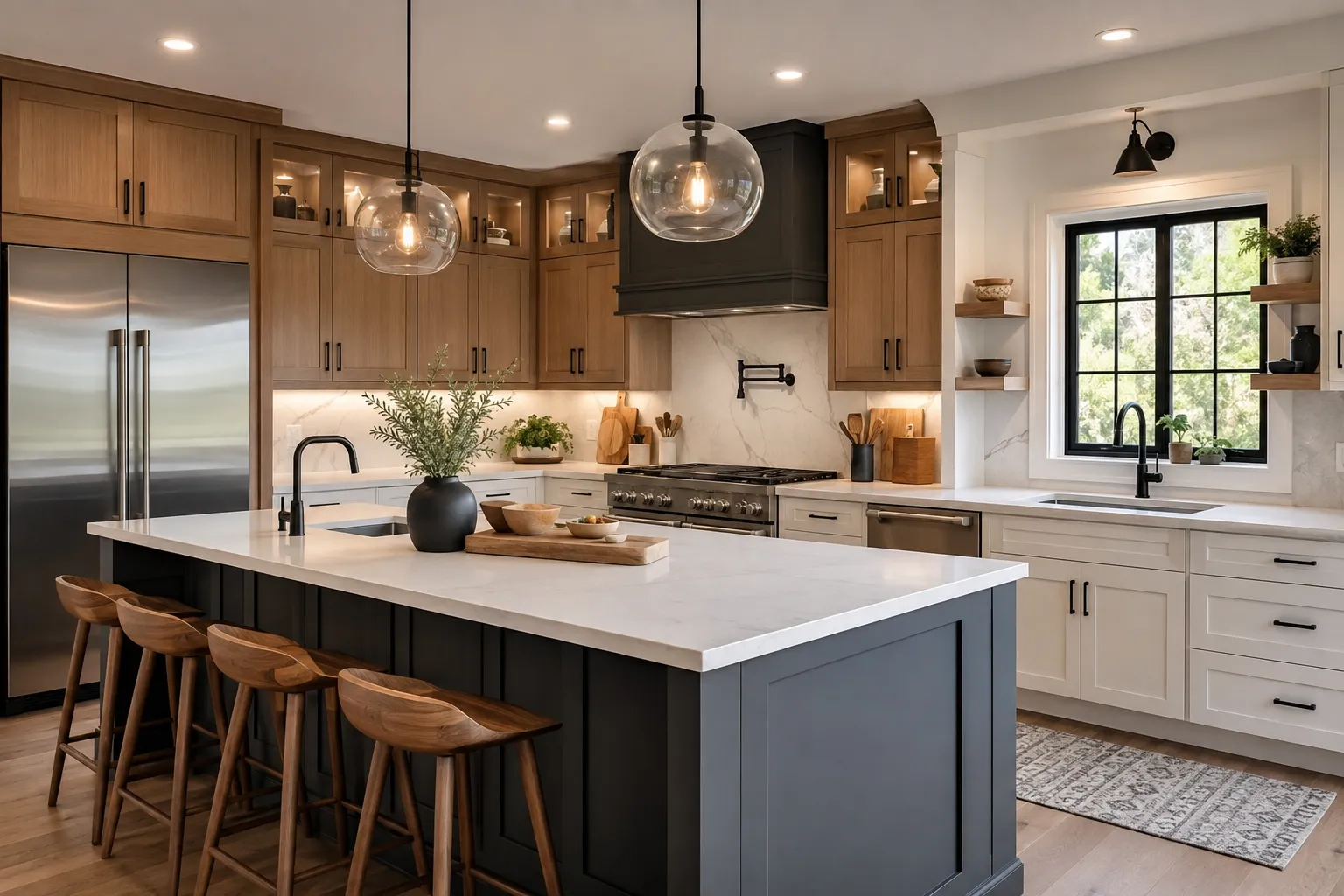
When planning a kitchen, consider storage, counter space, appliance placement, lighting, and movement through the room. For bathrooms, think about ventilation, storage, lighting, and accessibility.
Living spaces should provide enough room for furniture and everyday activities without creating unnecessary congestion.
The best design is usually one that fits the way your household actually lives.
Consider Energy Efficiency
Renovation can be an opportunity to improve the efficiency and comfort of your property. Depending on the age and condition of the home, possible improvements may include insulation, windows, lighting, ventilation, heating, and cooling systems.
These upgrades can also contribute to lower maintenance and operating costs over time.
Discuss energy-efficiency options during the planning stage rather than waiting until construction is nearly finished. Some improvements are much easier to complete when walls, ceilings, or floors are already being opened.
Planning a Basement Renovation
Basements can provide valuable additional living space when they are properly planned. Depending on the property and local requirements, a basement can become a family room, home office, entertainment area, guest space, or another functional part of the home.
Before starting work, inspect the basement for moisture, drainage, insulation, ventilation, and electrical concerns. These issues should be addressed before focusing on decorative finishes.
For homeowners planning a basement renovation Toronto project, the layout should be designed around how the space will actually be used. Storage, lighting, ceiling height, flooring, and access should all be considered before construction begins.
Prepare for the Construction Process
Living through a renovation can be challenging, particularly when major areas of the home are affected.
Before work starts, protect furniture and personal belongings from dust and construction activity. If a kitchen or bathroom will be unavailable, make temporary arrangements ahead of time.
It is also useful to establish a communication routine with your contractor. Regular updates can help you understand what has been completed, what is coming next, and whether any decisions are needed from you.
Common Mistakes to Avoid
A little preparation can help homeowners avoid many common renovation problems.
Watch out for these mistakes:
- Choosing a contractor based only on price
- Starting without a detailed scope of work
- Underestimating the budget
- Making frequent changes during construction
- Forgetting about permits where required
- Purchasing materials before confirming measurements
- Not planning temporary living arrangements
- Failing to keep money available for unexpected repairs
Taking time to plan these details can make the overall project much easier to manage.
Final Thoughts
A successful renovation is about creating a home that works better for your lifestyle while making sensible long-term improvements. Good planning, realistic budgeting, durable materials, and clear communication can all contribute to a smoother experience.
Rather than rushing into construction, take time to understand your property's needs and decide what matters most. Choosing experienced professionals and maintaining clear expectations from the beginning can help turn your renovation ideas into a comfortable and practical living space.
For homeowners in North York, professional home improvement services can be considered at 311 Dudley Ave, North York, ON M2N 4X6.























Sign in to leave a comment.