Homebuilder Stocks: What Backlogs and Cancellations Reveal About Housing Demand

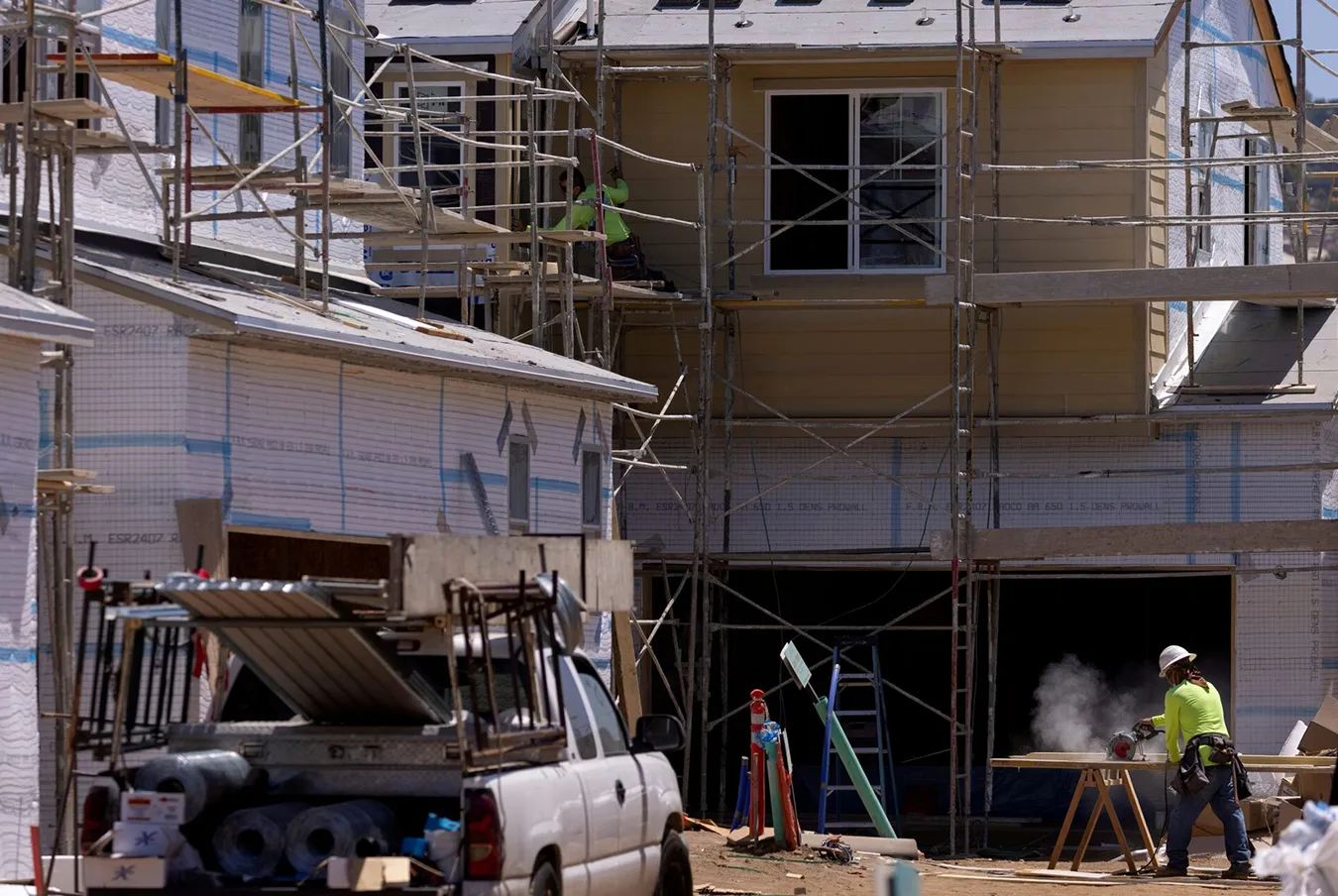
A signed home purchase agreement is an important milestone, but it is not the end of the transaction. Construction must be completed, financing must remain available and the buyer must proceed to closing. For homebuilders, the financial outcome depends on converting customer commitments into completed sales.
This makes backlogs and cancellations useful measures for investors researching homebuilder stocks. However, neither should be interpreted alone. Their meaning depends on construction schedules, sales strategy, mortgage conditions and the homes available for delivery. Reading these factors together provides a clearer picture of demand than focusing solely on quarterly revenue or headline order growth.
Understand What Backlog Represents
Homebuilder backlog generally consists of homes under sales contracts that have not yet closed, using the company’s reporting definition. It provides information about potential future deliveries, although contracts remain exposed to cancellations and timing changes.
A larger backlog can indicate stronger sales activity. It can also reflect longer construction schedules or delayed closings.
Likewise, a smaller backlog may signal weaker orders or faster conversion into completed sales. Investors should therefore compare beginning backlog, new orders, cancellations, deliveries and ending backlog.
The relationship between these figures helps explain whether changes reflect demand, operating execution or a combination of both.
Gross Orders and Net Orders Answer Different Questions
Gross orders measure new sales contracts before cancellations, while net orders generally reflect the deduction of canceled contracts. Exact definitions should be checked in company disclosures.
This distinction matters when sales activity and cancellations rise together. More customer signings may not produce equivalent growth in the number of contracts retained.
Investors should examine both figures where available and consider community count. A builder operating more selling locations may increase total orders without improving sales productivity at each location.
The useful question is how effectively the business attracts buyers who can and intend to complete their purchases under the agreed terms.
KB Home Shows Why Definitions Matter
KB Home reports its cancellation rate as a percentage of gross orders. Its earnings releases also present net orders and backlog, allowing readers to examine the different stages of sales activity together.
Investors researching the KB Home stock quote page should use those original definitions when comparing results.
A cancellation percentage needs its denominator and reporting period to be meaningful. Comparing it with another builder’s differently calculated measure can create a misleading impression.
Reviewing several periods also helps distinguish a persistent change in buyer behavior from fluctuations associated with seasonality or individual communities.
Mortgage Conditions Affect Contract Conversion
Buyers may sign contracts before the final mortgage arrangements and closing requirements are completed. Changes in borrowing costs, employment or household finances can influence whether the transaction proceeds.
Monthly affordability also extends beyond mortgage principal and interest. Property taxes, insurance and other applicable costs affect the household budget.
Investors should therefore connect lending conditions with company commentary about cancellations and customer qualification. A change in mortgage rates does not independently explain every canceled sale.
The stronger analysis asks which pressures management identifies, whether they affect particular customer groups and what actions the builder takes to support successful closings.
Meritage Illustrates the Affordability Connection
Meritage Homes’ 2025 annual filing linked increased cancellations with buyer hesitation arising from affordability concerns. This provides a company-specific example of how household financial conditions can affect contracted demand.
Readers following the business can reference the Meritage Homes stock quote page alongside its original filings.
The broader interpretation requires additional context. Investors should examine order activity, deliveries, pricing and incentives before deciding what cancellations imply for future results.
A higher cancellation rate may create operating challenges, but its financial effect depends partly on how quickly the affected homes can be sold to other buyers.
Faster Construction Can Reduce Backlog
Improved build times can move homes from signed contracts to completed deliveries more quickly. That can reduce ending backlog even when sales activity remains satisfactory.
KB Home’s first-quarter 2026 release discussed shorter build times as a factor supporting faster backlog conversion.
For investors, the implication is that backlog size should be assessed alongside construction efficiency. A decline caused by faster deliveries differs from one driven primarily by fewer orders.
Management’s explanation should be tested against the operating figures. Strong conversion is more persuasive when accompanied by dependable delivery execution and continued replenishment through new sales.
Sales Strategy Changes the Backlog Profile
Builders differ in how much construction occurs before a customer signs a contract. Homes closer to completion can move from order to closing more quickly than homes requiring a longer construction period.
Consequently, backlog comparisons need to allow for business strategy. A company emphasizing quicker deliveries may carry a smaller backlog relative to annual closings.
That does not eliminate risk. Unsold completed homes still require funding and may face pricing pressure.
Investors should examine backlog alongside construction inventory, particularly completed unsold homes, to understand where the company’s capital is committed and what must happen to recover it.
Backlog Value Needs Pricing Context
The number of contracted homes and their total value can move differently. Changes in average selling prices, product mix and geography influence the dollar amount represented by backlog.
Investors should compare units and value separately. A lower average price may reflect different homes or communities rather than uniform price reductions.
Incentives and subsequent contract changes can also affect the economics of eventual closings. Backlog value therefore does not establish future profit.
The relevant question is whether the expected deliveries can generate adequate margins after construction costs, selling expenses and any support needed to complete the transactions.
Follow Contracts Through to Financial Results
A consistent research process connects orders, cancellations, backlog and closings with margins and cash generation. Compare management’s delivery expectations with subsequent results and investigate significant changes.
Trend & Ticker provides company coverage and market news that readers can use to organize further research.
Original filings and earnings releases establish the definitions behind the figures. Following the full sales cycle helps investors evaluate whether apparent demand is becoming completed transactions and sustainable financial performance.
About the Author
Mahnoor Ahmed is a contributing editor on the Homebuilding and Construction desk at Trend & Ticker. The desk follows homebuilders and construction firms, and the lending conditions that drive housing demand. Work follows the Trend & Ticker editorial standards.




Sign in to leave a comment.