

Honey has long been used in traditional beauty routines, and today it continues to appear in facial masks, cleansers, moisturizers, lip-care products, and spa treatments. Its naturally rich composition and skin-conditioning properties make honey an interesting ingredient for beauty-focused routines.
However, not all honey varieties are identical. Floral source, bee species, origin, processing, and composition can influence the characteristics of different honeys.
For consumers interested in honey for beauty treatments, understanding the varieties commonly used in skincare can help when choosing products or ingredients.
1. Manuka Honey
Manuka honey is one of the most recognized specialty honeys in the beauty and personal-care market.
Produced in New Zealand from nectar associated with the Manuka plant, it is commonly incorporated into premium skincare products such as:
- Face masks
- Cleansers
- Moisturizing treatments
- Lip-care products
- Body-care products
Manuka honey is particularly attractive to beauty brands because of its premium positioning and strong consumer recognition.
2. Raw Honey
Raw honey is frequently used in homemade beauty routines because it is minimally processed compared with many conventional honey products.
It can be incorporated into simple DIY applications such as honey-based face masks. However, consumers should make sure that any product applied to the skin is clean and appropriate for cosmetic use.
Raw does not automatically mean that a particular honey is better for every skin type.
3. Stingless Bee Honey
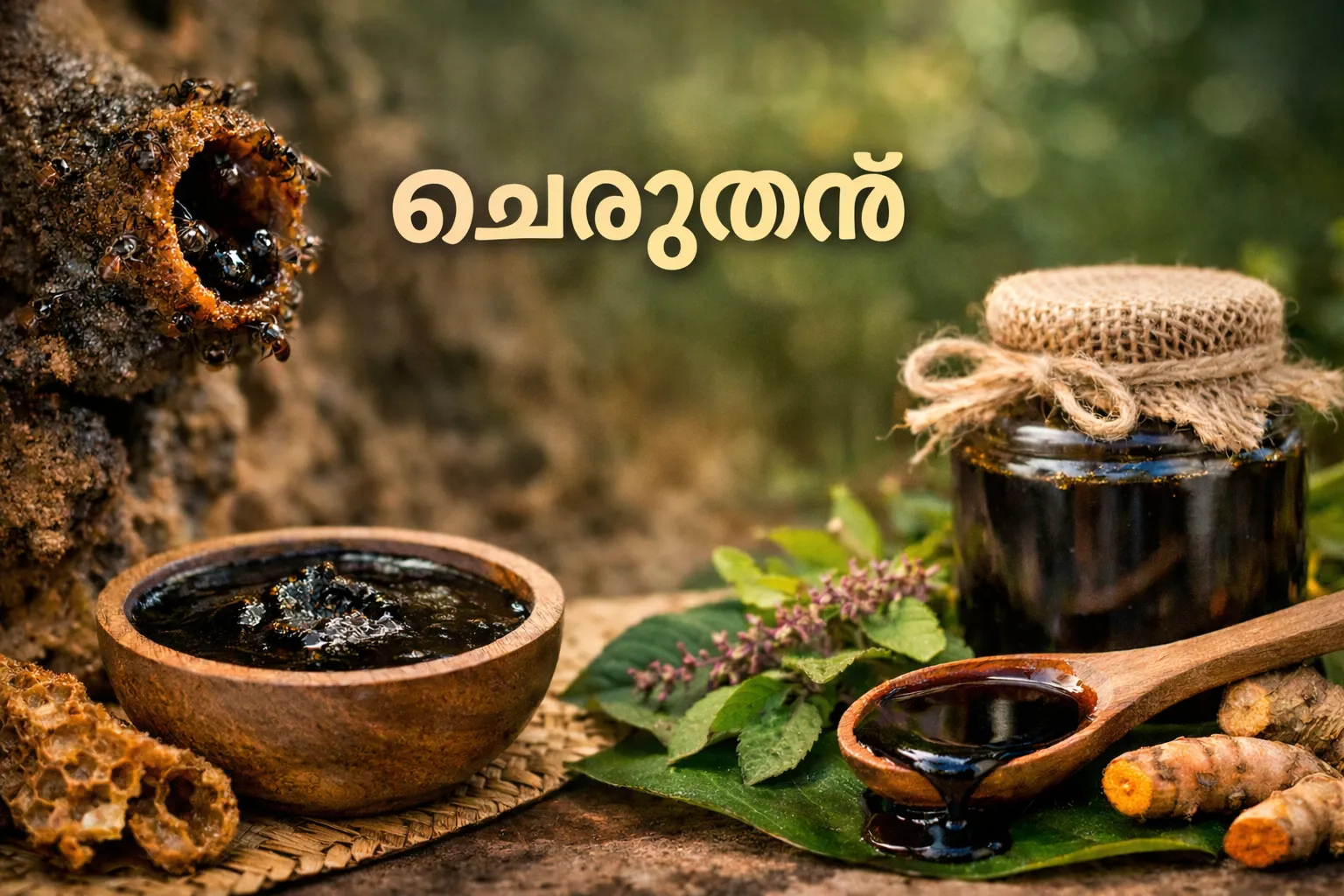
Stingless bee honey, also known as Cheruthen in Kerala, is a distinctive regional honey that has attracted interest among consumers looking for traditional and specialty bee products.
Its unique flavor and composition make it an interesting ingredient for traditional wellness and beauty-inspired routines.
However, research and cosmetic claims around specific stingless bee honeys should not be generalized to all products.
4. Forest Honey
Forest honey is collected by bees foraging across diverse vegetation. Depending on the region and season, it can have distinctive color, aroma, and flavor characteristics.
In beauty-oriented products, forest honey can be used as a natural ingredient in:
- Body treatments
- Honey masks
- Scrubs
- Moisturizing formulations
Its appeal often comes from its natural origin and diverse floral background.
5. Multiflora Honey
Multiflora honey comes from nectar collected from multiple floral sources.
Because it is widely available and versatile, it can be used in various food and personal-care formulations.
For beauty-focused applications, multiflora honey may appear in:
Honey masks → Body-care products → Lip treatments → Cleansing formulations
The properties of multiflora honey can vary depending on the plants available to bees during production.
Why Is Honey Used in Beauty Treatments?
Honey is attractive as a cosmetic ingredient because it has several useful characteristics.
Humectant Properties
Honey can attract and retain moisture, which is one reason honey-derived ingredients are commonly found in moisturizing formulations.
Naturally Occurring Compounds
Honey contains sugars, organic acids, minerals, enzymes, and other naturally occurring compounds. Its exact composition varies according to floral source and processing.
Skin-Care Formulations
Honey can be incorporated into different formulations designed to support skin hydration and conditioning.
These properties help explain why honey continues to appear in spa treatments and cosmetic products.
Honey and Facial Treatments
Honey is particularly popular in facial-care routines.
A professionally formulated honey facial may combine honey-derived ingredients with other cosmetic ingredients selected for cleansing, moisturizing, or conditioning.
For consumers considering DIY honey applications, it is important to remember that natural does not automatically mean suitable for every skin type.
People with sensitive skin should patch-test new topical products and discontinue use if irritation occurs.
Honey in Hair and Body Treatments
Honey-derived ingredients are not limited to facial skincare.
They can also be found in:
- Hair masks
- Scalp-care formulations
- Body lotions
- Body scrubs
- Lip balms
- Hand creams
- Spa treatments
In these applications, honey can contribute moisturizing and conditioning characteristics to the formulation.
Which Honey Is Most Popular for Beauty?
There isn't one honey that can objectively be called the best for every beauty treatment.
The choice depends on the formulation, intended use, ingredient quality, processing, and skin type.
For example:
| Honey | Beauty-Focused Appeal |
|---|---|
| Manuka | Premium skincare and specialty formulations |
| Raw Honey | Traditional and DIY-inspired routines |
| Stingless Bee Honey | Specialty and regional beauty traditions |
| Forest Honey | Natural-origin and body-care formulations |
| Multiflora Honey | Versatile everyday ingredient |
The honey variety alone does not determine whether a cosmetic product will work well. The complete formulation matters considerably.
What Consumers Should Look for in Honey Beauty Products
If you are purchasing a honey-based skincare or beauty product, check:
- Full ingredient list
- Intended use
- Manufacturer information
- Directions for use
- Skin-type recommendations
- Expiry or best-before information
- Patch-testing instructions where provided
Be particularly cautious with products making claims that a honey product can permanently remove wrinkles, cure skin diseases, or produce dramatic anti-aging effects.
Cosmetic benefits and medical claims are not the same thing.
Final Thoughts
Honey remains a popular ingredient in beauty-focused treatments because of its moisturizing and conditioning characteristics and its long history in traditional personal-care practices.
Manuka, raw, stingless bee, forest, and multiflora honeys can each offer different characteristics and consumer appeal. But the most appropriate choice depends on the intended cosmetic application and the complete product formulation.
For beauty routines, honey can be an interesting natural ingredient—but good skincare also depends on appropriate products, sun protection, hydration, nutrition, and consistent skincare habits.












Sign in to leave a comment.