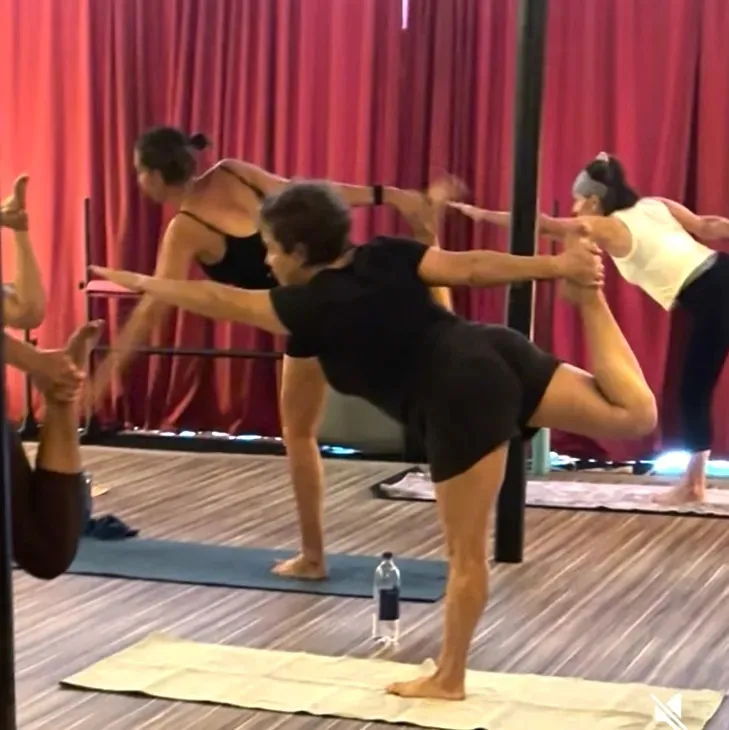

Muscle fatigue can quietly build when you attend Hot Pilates classes frequently. The heat increases the physical demand of each session, while repeated core, lower-body, and stabilizing movements challenge muscles that may already be recovering. The result can be soreness, reduced mobility, or difficulty maintaining proper form in your next class. Recovery, therefore, is not a pause from training. It is part of the training process. Understanding how hydration, nutrition, sleep, mobility, and training frequency work together can help you stay consistent without unnecessarily overloading your body.
Why Hot Pilates Can Increase Muscle Fatigue?
Hot Pilates combines Pilates-based movements with an elevated room temperature. The environment can make the session feel more demanding because your body must regulate its temperature while performing repeated movements.
During Hot Pilates classes, muscles experience mechanical stress from exercises such as squats, lunges, planks, pulses, and controlled core movements. If classes are scheduled too closely together without adequate recovery, fatigue can accumulate. This may affect coordination and technique, particularly during exercises that require precise alignment.
The goal is not to avoid fatigue altogether. A certain level of fatigue is a normal response to exercise. The concern arises when you continue training intensely despite persistent soreness, unusual weakness, declining performance, or poor movement control.
Rehydrate Before the Next Class
Sweating is an expected part of exercising in a heated environment, making fluid replacement an important recovery strategy. However, hydration should not begin only after class.
Drink fluids regularly throughout the day and arrive at your next session adequately hydrated. After exercising, replacing fluids lost through sweat helps support normal physiological functions and recovery.
For people attending frequent Hot Pilates classes, electrolyte replacement may also be relevant, particularly after prolonged or highly sweaty sessions. Sodium and other electrolytes contribute to fluid balance and normal muscle function. Individual requirements vary according to sweat rate, exercise duration, climate, and diet.
Avoid treating excessive water consumption as a substitute for balanced hydration. Your overall intake should match your activity level rather than following a one-size-fits-all rule.
Prioritize Protein and Balanced Meals
Muscles need adequate nutrients to repair and adapt after exercise. Protein provides amino acids required for muscle protein synthesis, while carbohydrates help replenish glycogen used during physical activity.
Instead of relying on restrictive meals, focus on balanced nutrition containing a suitable protein source, complex carbohydrates, vegetables or fruit, and healthy fats.
After Hot Pilates classes, a balanced meal or snack can support recovery, especially when another workout is planned later or the following day. Options such as Greek yogurt with fruit, eggs with whole-grain toast, tofu with rice, or a balanced smoothie can be incorporated according to individual dietary preferences.
The objective is consistent nutritional support rather than a single “perfect” recovery meal.
Use Active Recovery Strategically
Complete inactivity is not always necessary when muscles feel tired. Gentle movement can help you maintain mobility without adding substantial training stress.
Walking, light stretching, controlled mobility exercises, or an easy cycling session can be useful on recovery days. The intensity should remain low enough that you finish feeling refreshed rather than depleted.
This approach can also complement other movement practices. If you search for yoga at the beach near me, for example, consider a gentle yoga session rather than an advanced, strength-intensive class when your muscles are already fatigued.
Recovery movement should restore mobility and circulation, not become another demanding workout.
Give Sore Muscles Enough Time
Training the same muscle groups intensely every day can limit recovery. Muscles need time to repair the microscopic damage and adapt to repeated physical stress.
If your legs remain significantly sore after a demanding session, consider modifying your next workout rather than automatically pushing through. A lower-intensity class, mobility session, or rest day may be more appropriate.
This is particularly important for people attending multiple Hot Pilates classes each week. A well-structured schedule should balance training days with sufficient recovery rather than maximizing the number of sessions.
Persistent or worsening pain should not be treated as ordinary post-exercise soreness. Pain that is sharp, severe, associated with swelling, or accompanied by other concerning symptoms warrants appropriate medical evaluation.
Sleep Is a Recovery Tool
Sleep is one of the most overlooked components of exercise recovery. During sleep, the body carries out processes involved in tissue repair, hormonal regulation, immune function, and physical adaptation.
Adults generally benefit from consistent, sufficient sleep, although individual needs differ. Maintaining a regular sleep schedule, limiting excessive screen exposure before bed, and creating a comfortable sleep environment can support better recovery.
If you regularly attend Hot Pilates classes, pay attention to whether inadequate sleep corresponds with increased soreness, lower energy, or declining exercise performance. These patterns may indicate that your training load is exceeding your current recovery capacity.
Listen to Changes in Performance
Muscle fatigue is not measured only by soreness. Changes in performance can provide useful information about recovery.
Watch for signs such as:
- Difficulty maintaining normal technique.
- Reduced strength or endurance.
- Unusual heaviness in the limbs.
- Persistent muscle soreness.
- Increased perceived effort during familiar exercises.
- Reduced motivation combined with physical exhaustion.
If these signs continue, reducing training intensity or adding another recovery day may be appropriate.
When combining Hot Pilates classes with other activities, including yoga at the beach near me, consider your total weekly training load rather than evaluating each workout independently.
Build Recovery into Your Weekly Routine
Effective recovery starts before fatigue becomes excessive. Rather than waiting until your muscles are extremely sore, establish recovery habits as part of your regular schedule.
A practical weekly routine may include adequate hydration, balanced meals, consistent sleep, low-intensity movement, mobility work, and strategically placed rest days. You can also vary workout intensity so that every session is not performed at maximum effort.
If you enjoy Hot Pilates classes, consistency should come from sustainable programming rather than simply increasing frequency. Similarly, yoga at the beach near me can provide a lower-intensity movement option when your body needs mobility and relaxation instead of another demanding workout.
Conclusion
Muscle fatigue does not necessarily mean you need to stop exercising. It signals that your body needs appropriate resources and time to adapt. Hydration, nutrition, sleep, active recovery, mobility, and sensible scheduling can all contribute to better recovery between sessions. By treating recovery as an essential part of your fitness routine, you can approach Hot Pilates classes with better preparation and maintain movement quality while reducing unnecessary training stress.















Sign in to leave a comment.