

For a business considering solar, one of the first questions is: How large should the solar system be? The answer is different for every commercial property. A professional commercial solar installation company does not simply calculate system size based on the number of panels that can fit on a roof. Instead, it evaluates your electricity consumption, peak demand, available space, sunlight, equipment, utility requirements, and long-term energy goals.
At JK Renewables, commercial solar system sizing starts with understanding how your business uses electricity and then designing a system around those real-world requirements.
1. Reviewing Your Electricity Usage
The first step is analyzing your historical electricity bills. A solar professional typically reviews monthly and annual energy consumption, electricity rates, demand charges, and usage patterns.
This information helps determine how much electricity your business needs and when that electricity is being consumed. Hourly or interval load data can provide an even more detailed picture for larger facilities.
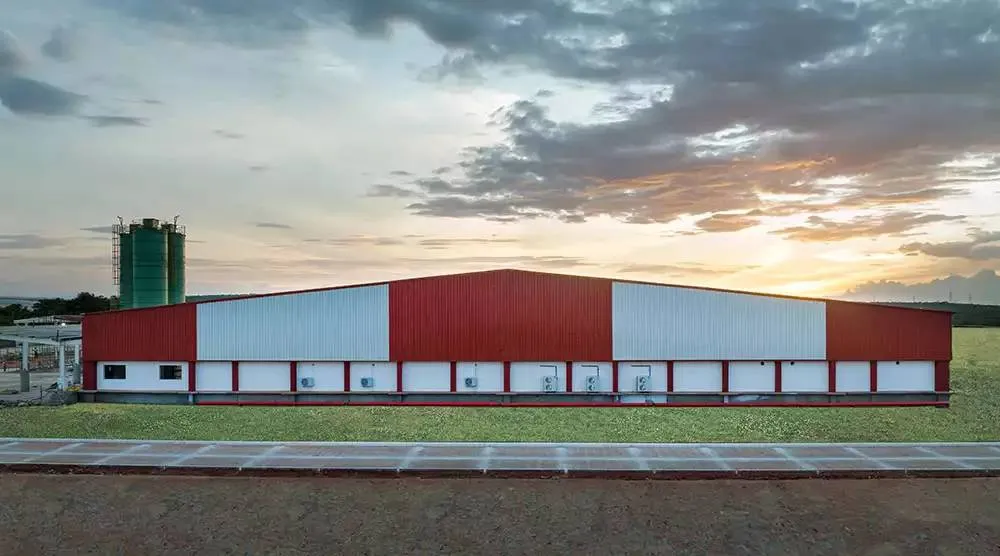
For example, a warehouse operating throughout the day may have a different solar profile from an office building that uses most of its electricity during business hours.
2. Evaluating the Property and Available Space
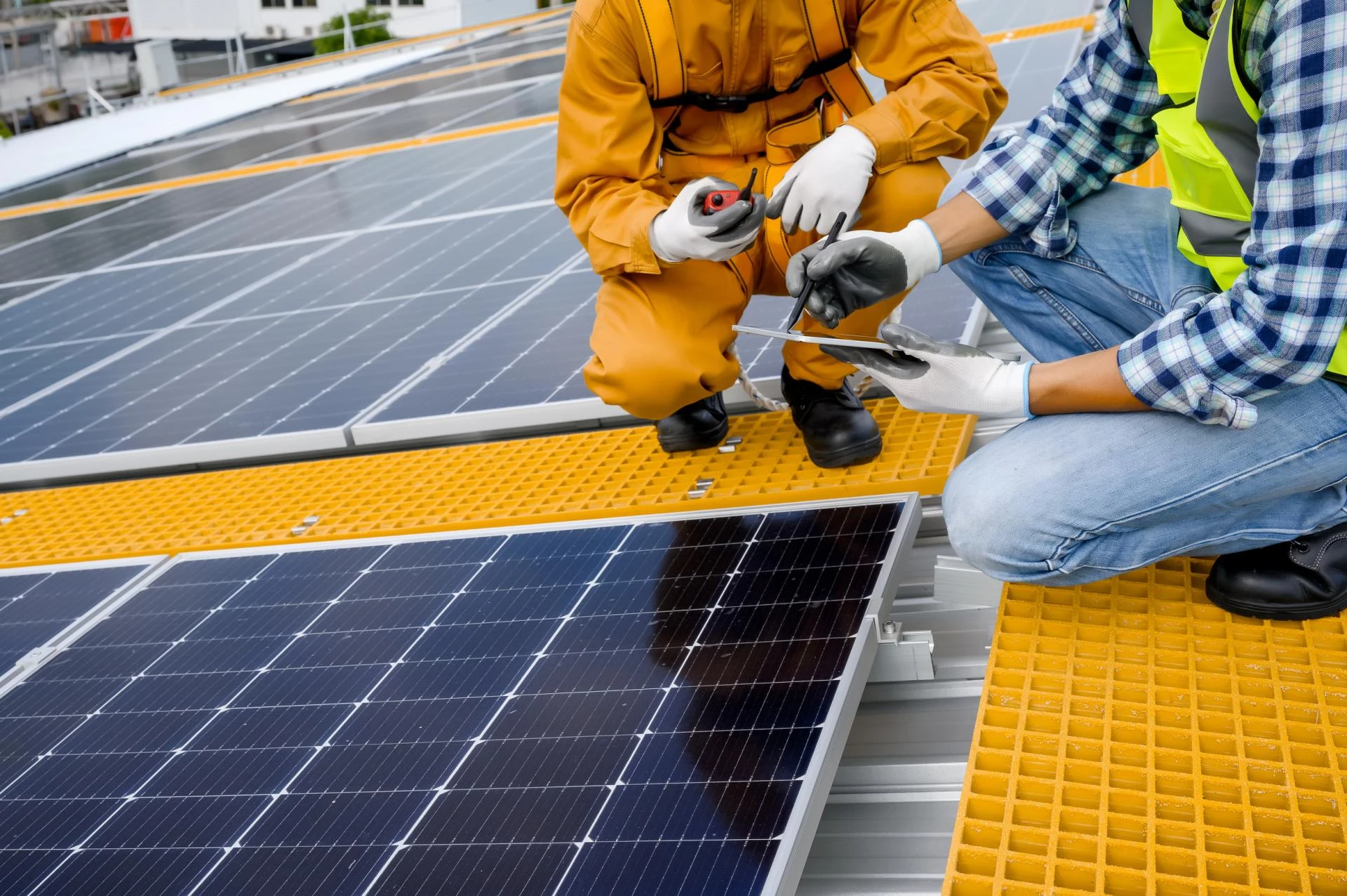
Next, the installer evaluates the property. This can include the roof, parking areas, or available ground space.
Roof orientation, tilt, shading, structural considerations, and usable area can all influence how many solar panels can be installed and how much electricity they can generate. The U.S. Department of Energy notes that factors such as roof size, shading, direction, location, and construction affect rooftop solar potential.
JK Renewables offers different commercial installation options, including roof mounts, ground mounts, and carport structures, depending on the property's requirements.
3. Estimating Solar Energy Production
After understanding energy consumption and site conditions, the installer estimates how much electricity the proposed system can generate.
Solar production depends on factors such as location, available sunlight, panel orientation, system design, equipment efficiency, and expected losses. Tools such as NREL's PVWatts can be used to estimate photovoltaic energy production based on location and system characteristics.
The goal isn't necessarily to cover 100% of electricity consumption. The ideal system may depend on the property's economics, utility rules, available space, and the business's energy strategy.
4. Checking Utility and Electrical Requirements
A professional design also considers the building's electrical infrastructure and utility interconnection requirements. The installer may need to evaluate electrical panels, switchgear, interconnection capacity, inverter configuration, and applicable utility policies.
This step helps ensure that the proposed system is technically appropriate rather than simply maximizing panel capacity.
5. Designing for Your Business Goals
Finally, a renewable energy solutions company should consider what the business actually wants to achieve. Some companies prioritize reducing electricity costs, while others focus on energy independence, sustainability targets, resilience, or long-term return on investment.
JK Renewables provides commercial customers with site design and cost-benefit analysis as part of its project evaluation process.
Frequently Asked Questions
How does a commercial solar company determine system size?
It typically analyzes electricity consumption, demand patterns, property conditions, solar resource, available installation space, equipment specifications, and utility requirements.
Does a bigger solar system always mean greater savings?
Not necessarily. The most effective system is one designed around your electricity usage, site limitations, utility rules, and financial objectives.
Can solar system size be based only on my electric bill?
Your electricity bills provide an important starting point, but a complete design should also evaluate the property, electrical infrastructure, solar production potential, and utility requirements.
How does JK Renewables size commercial solar systems?
JK Renewables evaluates a business's energy needs and property conditions before developing a customized design and cost-benefit analysis for the proposed commercial solar project.
Commercial solar system sizing is a technical process that combines energy data, property analysis, solar production estimates, electrical requirements, and business objectives. Working with an experienced commercial solar installation company like JK Renewables can help businesses develop a solar system that is appropriately sized for their facility and long-term goals.
























Sign in to leave a comment.