How a Dentist in Wilmslow Can Provide Personalised Dental Treatment

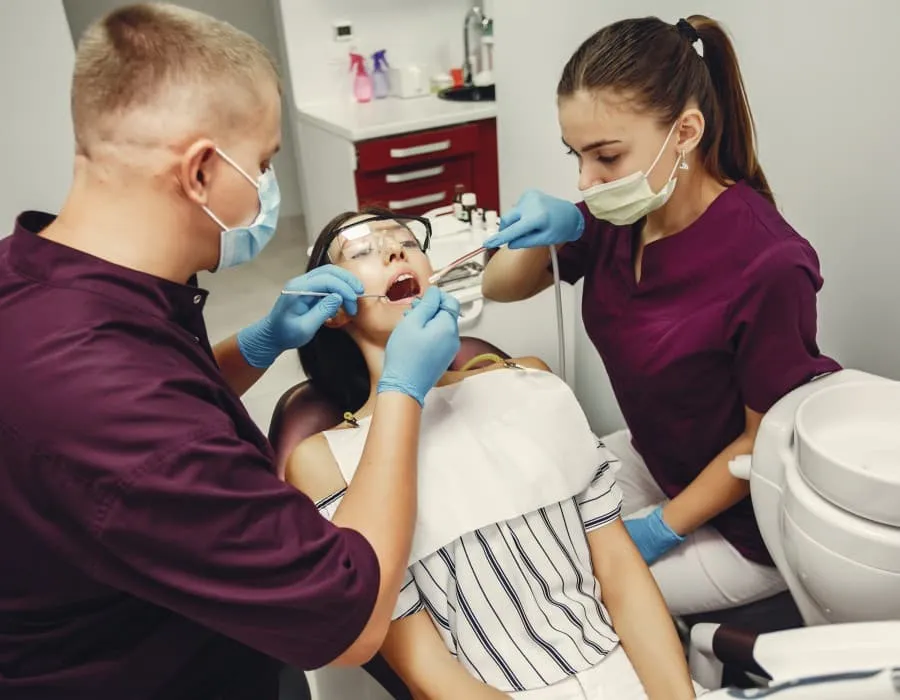
Every patient has different dental needs, expectations and concerns, which means a standard approach may not always provide the most suitable care. A professional assessment allows a dentist to understand the condition of the teeth and gums while considering lifestyle, previous treatment and future oral health goals. For people seeking local care, choosing a dentist in wilmslow can provide access to convenient appointments and individualised treatment planning. Local dental practices in Wilmslow commonly provide general, cosmetic and restorative services, giving patients opportunities to discuss different options according to their circumstances.
Understanding Personalised Dental Treatment
Every Patient Has Different Requirements
Personalised dental treatment begins with recognising that no two patients have exactly the same oral health requirements. One person may need help managing gum health, while another may require restorative treatment for damaged teeth. Some patients may primarily want preventive support, whereas others may be interested in improving the appearance of their smile. A dentist can consider these differences during an assessment before recommending suitable care. This individual approach can help ensure that treatment is based on actual clinical needs rather than applying the same recommendations to every patient.
Considering Previous Dental History
A patient's previous dental history can provide valuable information when planning future care. Existing fillings, crowns, previous orthodontic treatment, gum problems and earlier dental procedures can all influence future recommendations. A dentist can review these factors alongside the current condition of the teeth and gums. Understanding previous treatment can also help identify recurring concerns and areas that may require closer monitoring. By considering a patient's history, a dental professional can develop a more informed approach that supports continuity of care and helps patients understand how their previous experiences may influence future treatment decisions.
The Importance of a Detailed Dental Assessment
Examining Teeth and Gums
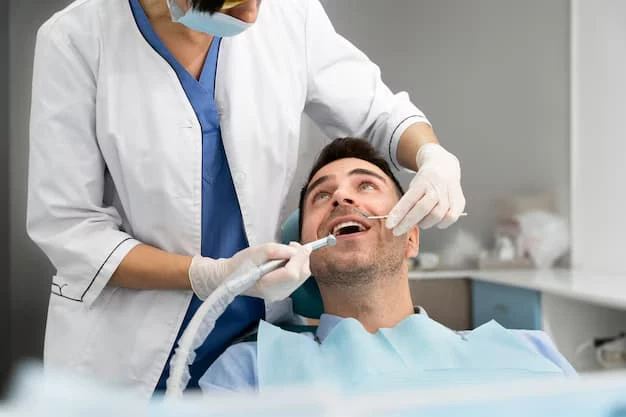
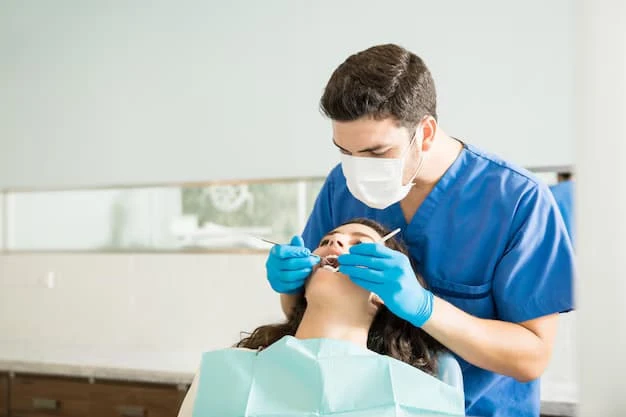
A thorough assessment is an important starting point for personalised dental treatment. During a routine examination, the dentist can evaluate the condition of the teeth, gums and other areas of the mouth. The assessment may identify concerns such as decay, gum inflammation, damaged restorations or signs of tooth wear. Additional diagnostic procedures may be recommended when clinically appropriate. A detailed assessment gives the dentist information needed to understand the patient's current oral health. This allows recommendations to be based on evidence rather than assumptions, supporting more appropriate and informed treatment planning.
Identifying Potential Problems Early
Personalised care can also focus on identifying potential problems before they become more complicated. Early signs of dental concerns may not always cause noticeable discomfort, meaning patients can sometimes remain unaware of developing issues. Regular examinations give dental professionals an opportunity to monitor changes and recommend suitable action. Early intervention may help prevent minor concerns from progressing into more extensive problems. A dentist can also explain which areas require attention and why particular preventive measures are recommended. This approach can help patients become more aware of their oral health and take appropriate action at an earlier stage.
Creating Individual Treatment Plans
Treatment Should Reflect Patient Needs
An individual treatment plan should reflect the patient's oral health condition, personal priorities and expectations. Some patients may require only preventive care, while others may need several treatments completed over a longer period. A dentist can discuss the available options and explain which approaches may be appropriate. Treatment planning should take into account clinical requirements as well as practical considerations. When patients understand the proposed plan, they can make informed decisions about their care. This collaborative process can also help create realistic expectations about treatment stages, results and ongoing maintenance.
Discussing Different Treatment Options
Depending on the patient's circumstances, several treatment options may be available. Restorative procedures can help repair damaged teeth, while orthodontic treatments can address certain alignment concerns. Cosmetic procedures may be considered when appropriate for improving the appearance of the smile. Local Wilmslow practices offer a range of services, including general dentistry, implants, orthodontics, cosmetic treatments and other specialist care. A dentist should explain the advantages, limitations, risks and expected outcomes of relevant options so patients can choose care that suits their individual circumstances.
Communication Makes Treatment More Personal
Listening to Patient Concerns
Effective communication is one of the most important elements of personalised dental care. Patients should have an opportunity to explain their concerns, previous experiences and expectations before treatment is recommended. Some people may be worried about discomfort, while others may have specific aesthetic goals or concerns about treatment duration. Listening carefully allows the dentist to understand these priorities and adapt the discussion accordingly. A patient who feels heard may also be more comfortable asking questions and sharing important information. This can contribute to a more positive relationship between the patient and dental professional.
Explaining Treatment Clearly
Dental treatments can sometimes involve unfamiliar terminology, making clear explanations particularly valuable. A dentist should explain what a proposed treatment involves and why it may be appropriate. Patients should also have an opportunity to discuss alternatives, expected outcomes, possible risks and associated costs. Clear communication allows patients to participate actively in decisions about their care. Rather than simply accepting a recommendation without understanding it, patients can ask informed questions and consider their options. This shared approach can make treatment feel more personalised while helping patients develop confidence in the decisions they make.
Personalised Preventive Dentistry
Preventing Future Dental Problems
Preventive dentistry is an important part of personalised care because the best approach can vary according to individual risk factors. A patient with a history of gum disease may require different guidance from someone who frequently experiences tooth decay. A dentist can consider these factors when recommending examinations, hygiene support and home care routines. Advice about brushing, fluoride toothpaste, cleaning between the teeth and dietary habits can be adapted to the patient's circumstances. Regular professional monitoring can then help assess whether the recommended preventive approach is working effectively over time.
Supporting Better Home Care
Professional treatment is only one part of maintaining good oral health. Daily habits have a significant role in protecting teeth and gums between dental appointments. A dentist can demonstrate suitable brushing techniques and recommend appropriate products according to individual needs. Patients may also receive advice about cleaning between their teeth and managing habits that could increase the risk of dental problems. Personalised guidance can make general recommendations more relevant because patients understand why particular habits matter to their own oral health. This can encourage greater consistency and support healthier routines at home.
Supporting Nervous Dental Patients
Understanding Dental Anxiety
Some patients feel anxious about dental examinations or treatment, and personalised care should take these concerns seriously. A patient may have experienced discomfort during previous treatment or may simply feel nervous about visiting a dentist. Discussing these concerns before treatment can help the dental professional understand what makes the patient uncomfortable. The dentist can then explain procedures carefully and establish suitable communication during the appointment. Creating a calmer experience may help patients feel more confident and encourage them to attend appointments regularly rather than delaying care because of anxiety.
Providing Reassurance During Treatment
Patients who feel nervous may benefit from knowing what to expect before and during a procedure. A dentist can explain each stage in straightforward language and allow time for questions. Agreeing on a simple signal to pause treatment can also help some patients feel more in control. A supportive approach does not remove the need for professional treatment, but it can make the experience more manageable. Over time, consistent communication and positive appointments can help build trust. This relationship may encourage patients to maintain regular dental care and address concerns before they become more serious.
Cosmetic Treatment Can Also Be Personalised
Understanding Individual Smile Goals
Cosmetic dental treatment should be approached according to the patient's individual smile goals rather than a standard idea of what an attractive smile should look like. Patients may be concerned about tooth colour, shape, minor imperfections or alignment. A dentist can assess the condition of the teeth before discussing possible cosmetic options. Treatments such as composite bonding, veneers or teeth whitening may be suitable in certain circumstances. A professional assessment helps determine whether a cosmetic procedure is appropriate and allows the patient to understand what results can realistically be achieved.
Maintaining Natural Looking Results
Personalised cosmetic dentistry should aim for results that complement the patient's existing appearance. Factors such as tooth shape, facial proportions, natural tooth colour and gum appearance can influence treatment planning. A dentist can discuss these considerations before treatment begins and help the patient understand how different options may affect the overall smile. The objective should not simply be to create a dramatic change. Appropriate treatment can instead focus on achieving balanced improvements that suit the individual. Careful planning can also help patients maintain realistic expectations about the final appearance.
Restorative Treatment Can Be Adapted
Repairing Damaged Teeth
Damaged or weakened teeth may require restorative treatment to improve function and protect remaining tooth structure. Depending on the circumstances, treatment could involve fillings, crowns or other restorative options. A dentist can assess the extent of damage before recommending the most suitable approach. Personalised treatment planning considers factors such as the location of the tooth, the extent of damage and the patient's wider oral health. This ensures that the selected treatment is based on the specific problem rather than choosing an option simply because it is commonly used.
Replacing Missing Teeth
Missing teeth can affect chewing ability, speech, appearance and confidence. Depending on the patient's circumstances, options such as bridges, dentures or dental implants may be considered. Dental implant treatment, for example, requires careful assessment of oral health and the supporting structures before treatment can proceed. Local practices in Wilmslow offer implant related services alongside general and cosmetic dentistry. A dentist can discuss the suitability of different replacement options and explain what each approach involves, helping patients select a solution based on their individual needs.
Orthodontic Care Can Be Individually Planned
Assessing Alignment Concerns
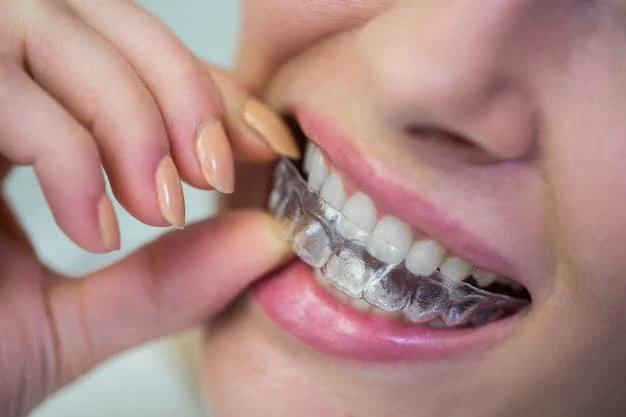
Patients considering orthodontic treatment may have different concerns about tooth position, spacing or bite. An assessment can determine the nature of the alignment issue and whether orthodontic treatment may be suitable. A dentist or appropriately trained dental professional can discuss different options based on the patient's clinical requirements. Clear aligners and other orthodontic approaches can be considered according to individual circumstances. Some local dental services provide orthodontic treatment for adults and younger patients, demonstrating the range of options available to people seeking more personalised approaches to alignment concerns.
Considering Lifestyle and Preferences
Treatment planning should also consider practical preferences. Some patients may prefer a discreet treatment option, while others may prioritise treatment simplicity or convenience. The dentist can discuss these preferences alongside clinical suitability. Patients should understand that not every treatment will be appropriate for every person, even if it is popular. Professional assessment remains essential when selecting orthodontic care. By considering both clinical requirements and lifestyle preferences, the dentist can help patients understand which available approaches may fit most comfortably into their daily routine.
Modern Technology Can Support Personalised Care
Improving Diagnostic Information
Modern dental technology can provide additional information that supports assessment and treatment planning. Digital imaging and other diagnostic tools may help professionals evaluate areas that are not fully visible during a routine examination. The appropriate technology depends on the patient's circumstances and the treatment being considered. Patients can ask why a particular diagnostic procedure has been recommended and how the results will influence treatment. Understanding the purpose of technology can make the process less confusing and help patients appreciate how detailed information contributes to personalised clinical decisions.
Supporting Treatment Planning
Accurate information can help a dentist develop a clearer treatment plan. This can be particularly important when patients are considering restorative, orthodontic or implant treatment. Digital records and diagnostic information may assist the dental team in evaluating the patient's current condition and planning appropriate treatment stages. Technology should complement professional knowledge rather than replace it. The dentist's clinical judgement remains essential when interpreting information and deciding which approach is suitable. Patients can therefore benefit from a combination of appropriate technology, professional experience and careful consideration of their individual circumstances.
Continuity of Care Can Improve Personalisation
Familiarity With Patient History
When patients regularly attend the same dental practice, the dental team can become familiar with their oral health history. This may include previous treatments, recurring concerns, existing restorations and preventive needs. Such familiarity can make future consultations more informed because the dentist can compare current findings with previous records. Continuity can be particularly valuable for patients undergoing longer treatment plans or those requiring ongoing monitoring. A consistent relationship can also make communication easier because patients do not need to repeatedly explain their background at every appointment.
Monitoring Changes Over Time
Personalised dental treatment is not limited to a single appointment. Oral health can change as patients age, develop new habits or undergo different treatments. Regular assessments allow the dentist to monitor these changes and adjust recommendations where necessary. A treatment plan that is suitable today may need modification in the future. Ongoing monitoring ensures that care remains relevant rather than becoming fixed around an outdated assessment. This flexible approach can help patients receive dental guidance that reflects their current needs at different stages of their lives.
Choosing a Dentist in Wilmslow
Considering Professional Approach
When selecting local dental care, patients can consider whether the dentist provides the type of communication and treatment approach they value. Wilmslow has several dental practices offering different combinations of general, cosmetic and specialist services. Patients can research available treatments, read relevant information and arrange an initial consultation to understand how the practice approaches individual care. A suitable dentist should be willing to listen, answer questions and explain recommendations clearly. This can help patients determine whether the practice is appropriate for their ongoing dental needs.
Looking Beyond Convenience
Location is useful, but convenience should not be the only consideration when choosing a dentist. Patients can also assess professional experience, communication, treatment options, preventive support and the overall approach to patient care. Local access can make regular appointments easier, but quality and suitability remain important. A balanced decision considers both practical factors and the patient's clinical requirements. By taking time to compare available options, patients can establish a dental relationship that supports regular care and personalised treatment over the long term.
Final Thoughts
Personalised dental treatment can help ensure that care reflects an individual's oral health condition, concerns, lifestyle and expectations. A detailed assessment, clear communication, preventive guidance and carefully planned treatment can all contribute to a more individual approach. Whether a patient needs routine care, restorative treatment, orthodontic support or cosmetic improvements, professional assessment remains essential for selecting appropriate options. Regular appointments also allow treatment recommendations to change as oral health develops. For patients seeking individualised dental care in the local area, Trinity House Dental Care can be considered as part of their search for ongoing professional support.






Sign in to leave a comment.