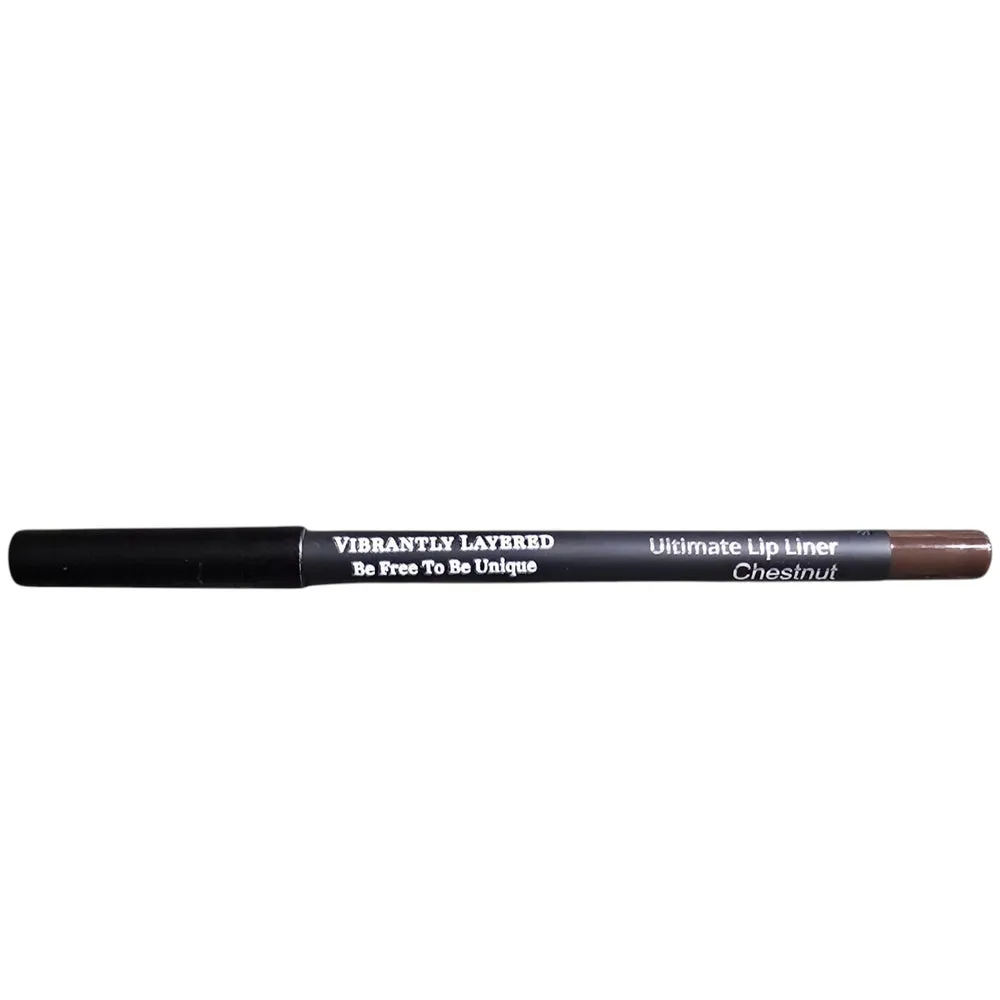

Lip liner is one of those small products that changes an entire makeup routine once it's used correctly. It's not just a step before lipstick. It shapes, defines, and holds color in place for hours without smudging.
If you want your lip color to last longer and look sharper, a matte lip liner should sit at the top of your list of everyday beauty essentials. This guide covers how to choose the right shade, how to apply it well, and which tones hold up best for daily wear.
What Makes a Matte Liner Different From Other Lip Liners?
A matte formula has a dry, powdery finish instead of a glossy or creamy one. That texture grips the lip better, which is why it lasts longer through eating, talking, and drinking water.
Glossy or satin liners tend to slide around after a few hours. A dry-finish liner stays put because it skips the oils and waxes that cause slippage.
This makes it a strong base for lipstick, tinted balm, or even worn alone as a soft, natural lip stain.
Why Should a Matte Liner Be Part of Your Everyday Beauty Essentials?
Most people treat lip liner as an extra step reserved for special occasions. In practice, it's one of the more practical everyday beauty essentials, since it takes under a minute to apply and solves several problems at once.
A good liner:
- Keeps lipstick from feathering into fine lines around the mouth
- Adds shape and structure to lips that look flat with lipstick alone
- Works as a quick, low-maintenance lip color on its own
- Lasts through a full workday without needing touch-ups
Because it does double duty, one liner can replace three or four separate products in a daily makeup bag.
Which Shades Work Best for Everyday Wear?
Choosing the best matte lip liner shades for everyday wear usually comes down to picking tones that sit close to your natural lip color. Shades that are too far off from your undertone can look harsh in daylight.
Earth-toned shades tend to work well for daily wear because they blend easily with most skin tones and outfits. Deep wine, warm brown, and soft pink-toned neutrals are three categories worth having on hand.
For reference, Vibrantly Layered's Nature's Beast lip liner collection is built around this idea, with shades like:
- Salem, a deep wine tone for a richer everyday look
- Chestnut, a dark brown that works as a near-universal neutral
- Elixir, a light wine shade with pink undertones for a softer daytime finish
These three shades cover most everyday needs — one bold, one neutral, and one soft — without needing a large collection.
How Do You Choose the Right Shade for Your Skin Tone?
Matching a lip liner to your skin tone gets easier once you think in terms of undertone rather than just color name.
Cool undertones: Wine and berry-based liners, like a deep wine shade, tend to look natural rather than washed out.
Warm undertones: Brown and terracotta-based liners blend more smoothly and avoid looking too pink or too gray.
Neutral undertones: Most earth tones work well here, so a pink-leaning wine shade is usually a safe, flattering pick.
A quick test is to swatch the shade on the back of your hand near your wrist. If it blends into your skin without a harsh line, it will likely look just as natural on your lips.
How Do You Apply Matte Lip Liner for a Long-Lasting Finish?
Application technique matters as much as shade choice when it comes to wear time. Follow these steps for a cleaner, longer result.
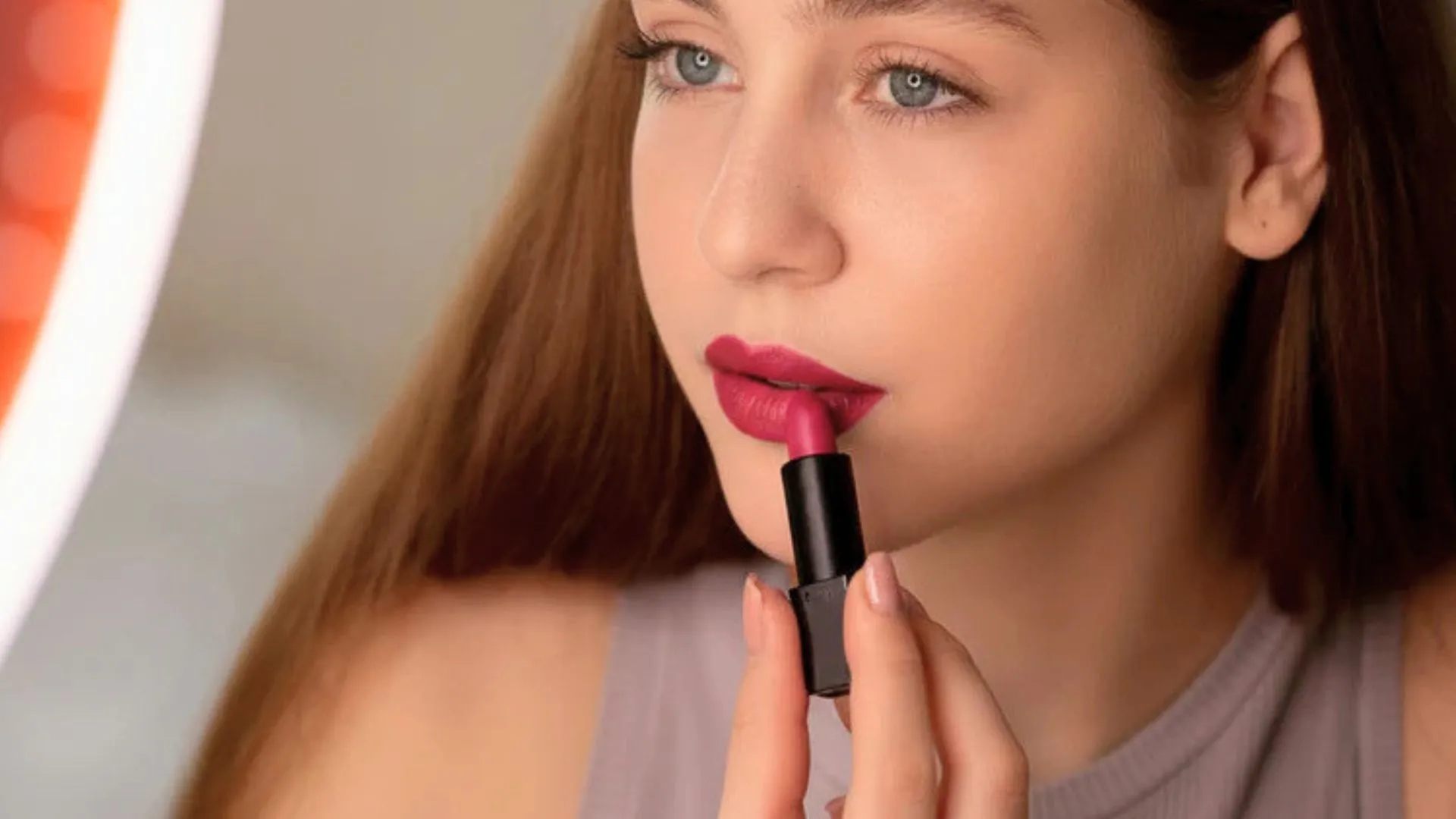
- Start with dry, clean lips. Exfoliate lightly if lips are flaky, since a dry-finish formula will grip on rough texture.
- Trace the natural lip line first, then fill in the entire lip with light strokes.
- Add a layer of tinted lip balm or lipstick on top for a finished, polished look.
- Blot gently with a tissue if you want a softer, blurred edge instead of a hard line.
Filling in the whole lip, not just the outline, is what keeps the color even as lipstick wears off through the day.
Where Can a Matte Liner Be Worn Beyond Everyday Makeup?
While it's built for daily use, this type of liner also holds up well in situations that need extra staying power.
- Long work shifts where reapplying makeup isn't an option
- Outdoor events, travel days, or humid weather
- Video calls or photos where a defined lip line reads better on camera
- Layering under gloss for an ombre effect that still keeps its shape
Because the formula resists smudging, it holds up in situations where cream or gloss-based products tend to fail.
What Mistakes Should You Avoid With a Matte Formula?
A few small habits can shorten the wear time of even a good-quality liner.
- Skipping exfoliation: Product settles unevenly into dry, flaky patches.
- Choosing a shade too dark for daytime: It can look overdone in natural light.
- Only lining the edges: This leaves a visible ring once lipstick fades from the center.
- Applying over lip balm: Too much slip underneath causes the liner to shift.
Avoiding these habits helps the color stay sharp for hours instead of fading within the first one or two.
FAQs
1. What is the main benefit of a matte finish over a regular lip liner?
A dry, matte texture grips the lip surface better, which helps it last longer without smudging or bleeding into fine lines.
2. Can a lip liner be worn alone without lipstick?
Yes. Many people fill in the entire lip with liner and skip lipstick completely for a soft, natural finish.
3. Which shades work best for everyday wear?
Shades close to your natural lip tone, such as warm brown, soft wine, or pink-toned neutrals, tend to suit most skin tones and outfits.
4. How long does a matte liner typically last on the lips?
Applied correctly over exfoliated, dry lips, it can last several hours, often through meals and drinks, without needing a touch-up.
5. Does a dry-finish liner dry out the lips?
Some matte formulas can feel drying if lips aren't prepped first. Exfoliating beforehand and applying balm afterward helps prevent this.
6. How do I stop lip liner from feathering into fine lines?
Keeping lips exfoliated and applying liner on dry skin, rather than over balm, reduces the chance of it settling into lines.
7. What's the difference between deep wine, brown, and pink-wine shades?
Deep wine gives a richer look, brown acts as a neutral base for most skin tones, and pink-wine offers a softer, everyday finish.
8. Can a liner be used to create an ombre lip effect?
Yes. Applying it heavily at the outer edges and blending inward, then topping with a lighter color, creates a natural ombre look.
9. Is a matte formula suitable for sensitive lips?
Most formulas are fine for sensitive lips, but it helps to patch test a new product first and pair it with a moisturizing balm.
10. How often should a lip liner be replaced?
Like most lip products, it's generally safe to use for up to two years once opened, though changes in texture or smell are signs to replace it sooner.












Sign in to leave a comment.