

Almost everyone who walks into a de-addiction center believes the same thing: “I have already failed.” Yet many of them leave with something they thought was gone for good, which is belief in themselves.
Recovery is not only about stopping a substance. It is about becoming someone who can trust their own decisions again. A good nasha mukti kendra in Himachal Pradesh treats addiction as a health condition and recovery as a personal growth journey. This article explains how confidence, responsibility, and healthier choices grow together.
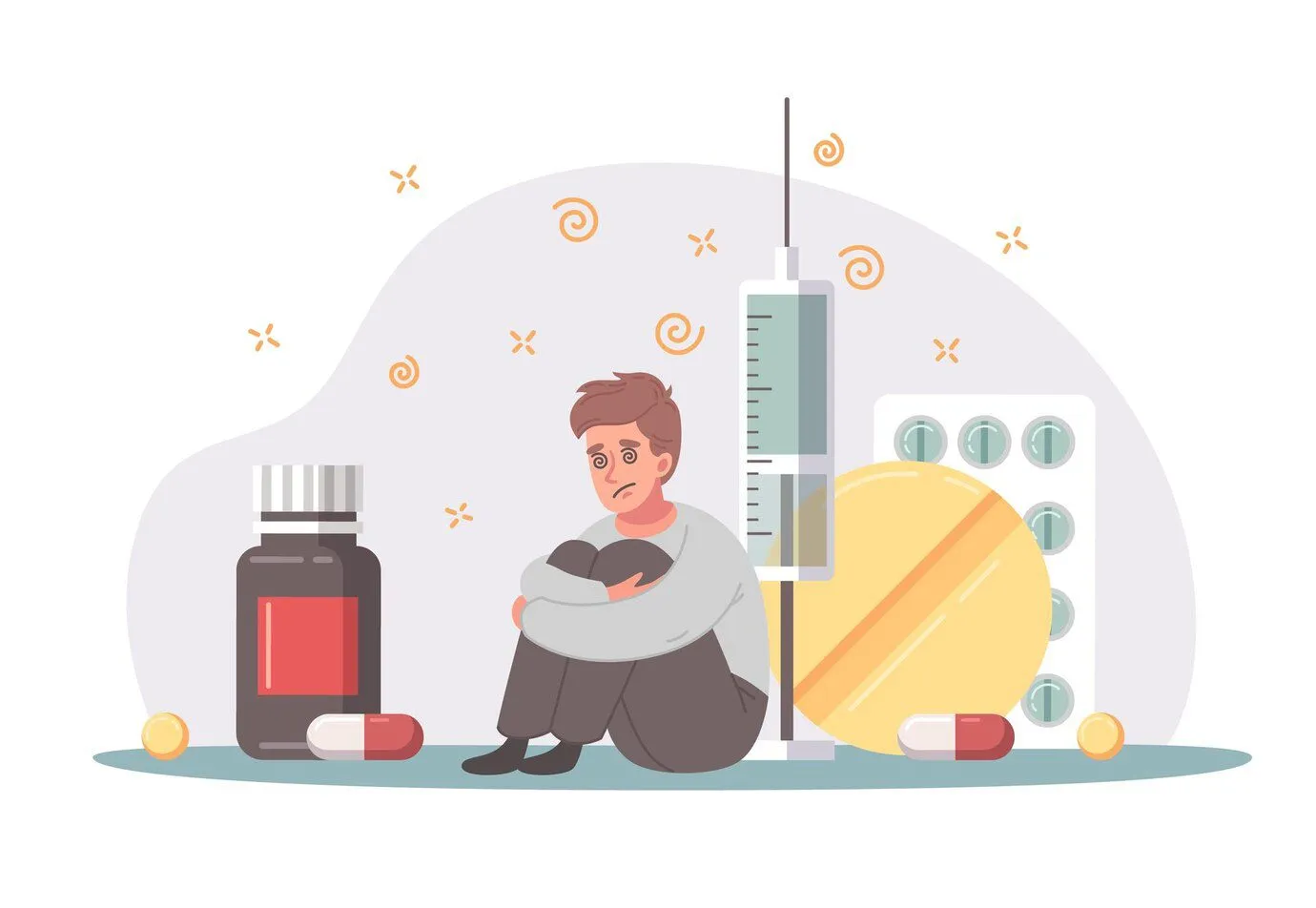
Addiction Is a Health Condition, Not a Moral Failure
Many families in the hills carry silent shame about addiction. Parents wonder where they went wrong, and the person struggling feels like a burden.
Medical bodies, including the World Health Organization, describe substance use disorder as a condition that changes how the brain handles stress, reward, and decision-making. That is why willpower alone rarely works, and why shame makes things worse.
When someone understands this, something shifts. They stop asking “What is wrong with me?” and start asking “What do I need to heal?” That change is the first step of personal growth.
A Story of Starting Over: Rohan’s Turning Point
The stories in this article are illustrative composites based on common recovery experiences. Names and details are changed to protect privacy.
Rohan, 24, grew up in a small town in Himachal. After college, he struggled to find work. Friends introduced him to drugs “just to relax,” and within two years he had sold his motorbike and stopped answering his mother’s calls.
His turning point was not dramatic. His younger sister asked him to attend her school function, and he arrived too intoxicated to stand. He saw her face and realized the problem was no longer only his.
Rohan admitted himself to a rehabilitation center. The first week was hard. But a counselor told him something he never forgot: “You are not here to be punished. You are here to practise being the person you want to be.”
Why a Nasha Mukti Kendra in Himachal Pradesh Offers a Different Environment
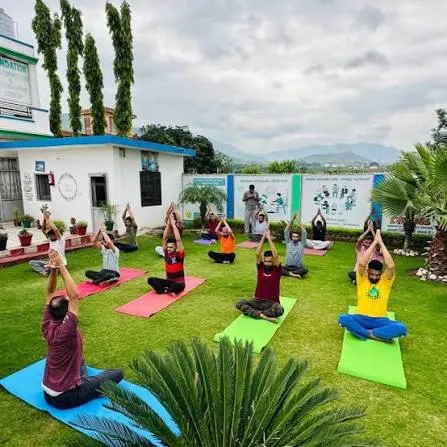
Surroundings matter in recovery. Many people struggling with addiction are surrounded by triggers: old friends, familiar places, and daily stress. A residential nasha mukti kendra in Himachal Pradesh offers distance from all of that.
The calm of the mountains supports the process in practical ways:
- Fewer triggers. Removing easy access to substances gives the body and mind time to stabilize.
- A steady routine. Fixed meal times, sleep, exercise, and therapy rebuild discipline gently.
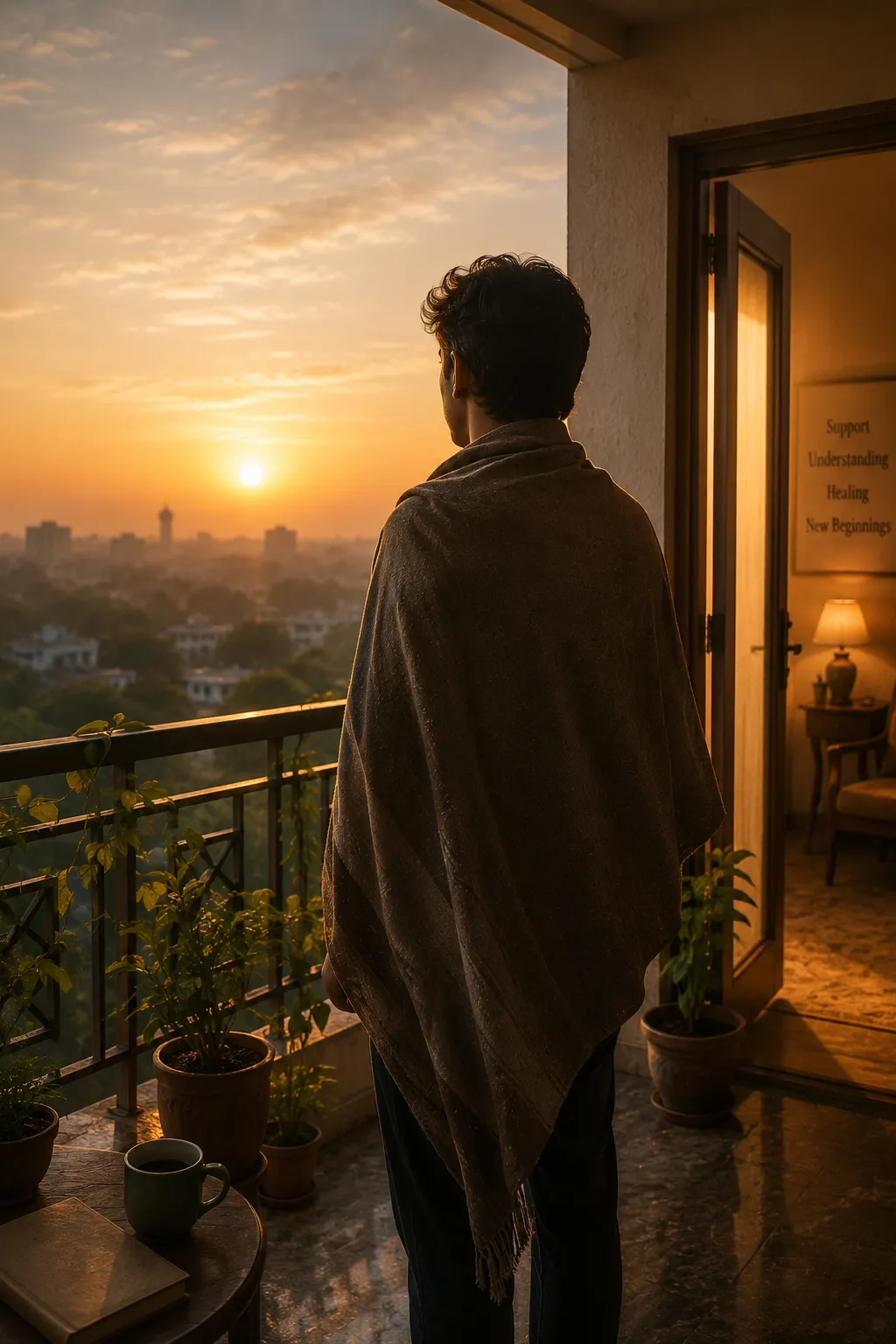
- Quiet for reflection. Early mornings and open landscapes make journaling and honest self-examination easier.
- Structure and safety. Trained staff support withdrawal and emotional ups and downs.
The location does not cure anyone. It simply creates the conditions in which real work can happen.
Rebuilding Confidence Through Small Wins
Addiction quietly destroys self-trust. After repeated broken promises, a person stops believing their own word.
Recovery rebuilds that trust in small steps. Making your bed, finishing a therapy session, speaking honestly in a group, or completing a day of chores may seem minor. But each is evidence: I said I would do it, and I did.
Rohan described it this way: “In the first month, my biggest achievement was washing my own dishes without being reminded. It sounds silly, but it was the first promise I had kept in years.”
Confidence in recovery is not loud or showy. It is the quiet knowledge that you can rely on yourself.
Learning Responsibility: Owning the Past, Shaping the Future
Responsibility is not guilt. Guilt looks backward and keeps you stuck, while responsibility looks forward and gives you direction.
Quality rehabilitation programs help people practise responsibility in everyday ways:
- Acknowledging harm done to family and friends, without excuses.
- Contributing to the community through shared chores and group activities.
- Setting realistic goals such as returning to study, learning a skill, or finding work.
- Attending follow-up sessions after discharge to stay accountable.
Many centers also involve families through counseling, because addiction affects the whole household. Rebuilding trust takes time, and honest communication does most of the work.
A Second Story: Meena and the Mother Who Waited
Meena, a 41-year-old mother from a village in Himachal, had become dependent on prescription painkillers after a long illness. Because she was a woman and a mother, she hid it for years, afraid of judgment.
When her family finally found a center that offered private, respectful care, she entered treatment with deep fear. What changed her path was learning that her pain had been real, but her coping method had become harmful. Therapists helped her manage the pain safely and rebuild her days around her children.
Today, she says her proudest moment was not being “cured.” It was cooking dinner for her family and being fully present at the table. Recovery gave her ordinary moments back.
Making Healthier Choices That Last
Leaving a center is not the finish line. It is the point where daily choices begin to matter most. Strong recovery programs prepare people for real life with practical tools:
- Identifying triggers such as stress, loneliness, boredom, and certain people or places.
- Building coping skills like breathing exercises, exercise, and talking to a trusted person.
- Creating a healthy routine with sleep, nutrition, and meaningful activity.
- Choosing supportive company and stepping away from relationships that pull you back.
- Using relapse-prevention plans so a difficult day does not become a setback.
Relapse can happen, and it does not erase progress. It is a signal to seek support again, not a reason to give up.
How to Choose the Right De-Addiction Center
When searching for a nasha mukti kendra in Himachal Pradesh, look beyond brochures. Consider these questions:
- Is the center registered and run by qualified doctors, psychologists, and counselors?
- Does it provide medically supervised detox?
- Does it offer individual counseling, group therapy, and family involvement?
- Is there an aftercare or follow-up plan?
- Is the environment clean, safe, and respectful?
- Are the treatment methods and costs explained honestly?
Visit if you can, and ask questions. A trustworthy center welcomes them.
How Families Can Support Recovery
Families play a bigger role than they realize. Helpful steps include:
- Replacing blame with calm, honest conversation.
- Learning about addiction so you can respond with understanding.
- Celebrating progress, even little progress.
- Setting clear, kind boundaries.
- Looking after your own emotional health too.
Frequently Asked Questions
How long does treatment at a nasha mukti kendra usually take?
It depends on the substance, health condition, and individual needs. Programs commonly last from several weeks to a few months, followed by aftercare.
Can someone recover without medication?
Some people need medical support, especially during withdrawal from alcohol or opioids, because stopping suddenly can be dangerous. A doctor should guide this decision.
Is addiction treatment confidential?
Reputable centers respect patient privacy, though practices differ. Ask about confidentiality before admission.
Conclusion: Recovery Is Growth, Not Just Abstinence
Rohan now works at a small shop and attends his sister’s every school event. Meena sits at her family’s dinner table. Neither was “fixed” overnight. They rebuilt confidence through small wins, accepted responsibility without drowning in guilt, and made healthier choices one day at a time.
If you or someone you love is struggling, reaching out is not weakness. It is the first responsible decision of a new chapter. A supportive nasha mukti kendra in Himachal Pradesh can provide the structure, care, and community to make that chapter real.
If you need immediate emotional support in India, Tele-MANAS offers a free helpline at 14416.
























Sign in to leave a comment.