

Designing a home is different from designing an office. The furniture choices are personal, the layout has to work around daily routines, and the finished space needs to feel like the people who live there, not a showroom. This is where a residential interior design studio earns its place. Instead of applying one formula to every project, a good studio starts by understanding how a family actually uses their rooms: where the kids do homework, where guests sit, how much storage a kitchen really needs. In Dubai, where apartment layouts and villa footprints vary so much, that first conversation shapes everything that comes after.
What the First Few Meetings Cover
Before any moodboard gets made, a studio usually walks through the home in person or over video, taking notes on light, traffic flow, and existing furniture worth keeping. Homeowners often assume this stage is about picking colors, but it's mostly about constraints: which wall is load bearing, where the plumbing runs, how much natural light a room gets at different times of day. A studio that skips this step tends to hand over designs that look good on paper but don't work once furniture is delivered. If you're comparing studios, ask how they run this first phase. The best Interior design studio teams treat it as research, not a sales pitch.
Where Residential Work Differs From Commercial Projects
A residential interior design studio has to think about things a commercial project rarely deals with: pets, small children, someone who works from home and needs a quiet corner, in-laws who visit for weeks at a time. Material choices change too. A rug that would be fine in a corporate lobby might not hold up under daily foot traffic from a family of five. Lighting also gets more personal, since a bedroom needs a different mood than a kitchen or a home office. This is why a studio that mostly does retail or office fit-outs isn't always the right fit for a house. The questions they ask, and the materials they default to, tend to be built for a different kind of use.
Budget, Timeline, and What Actually Drives Cost
Homeowners are usually surprised by what moves the budget most. It's rarely the big furniture pieces. It's custom joinery, electrical rework, and anything that touches plumbing or structural walls. A Home Interior design studio worth hiring will break the budget down early, room by room, so there are no surprises halfway through. Timelines matter just as much. A single room refresh might take four to six weeks once materials are ordered, while a full villa can run several months, especially if any walls are moving or the layout is changing. Ask for a rough schedule before signing anything, and get it in writing so both sides know what "done" actually means.
Choosing a Studio for Your Specific Home
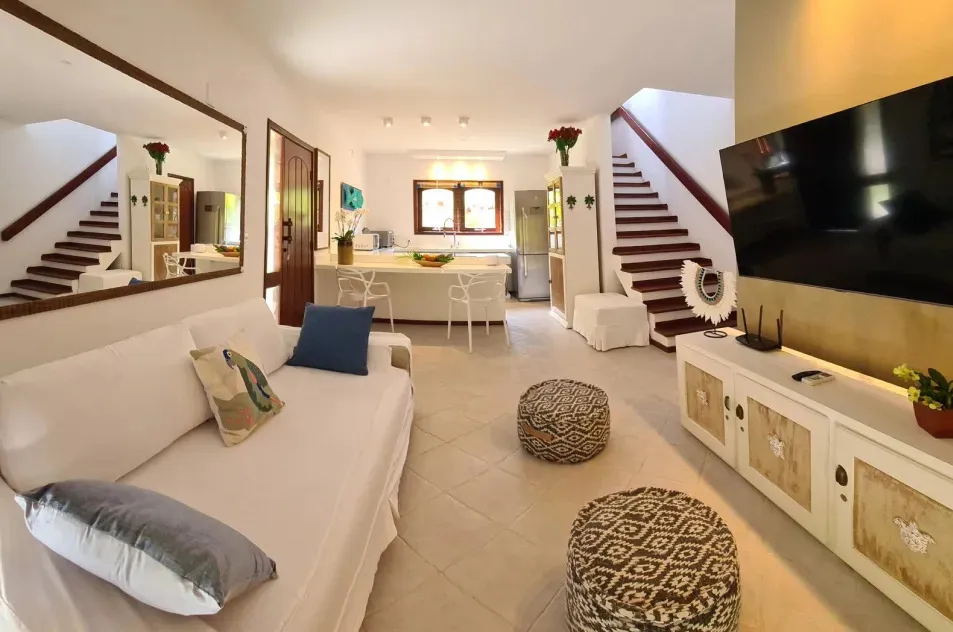
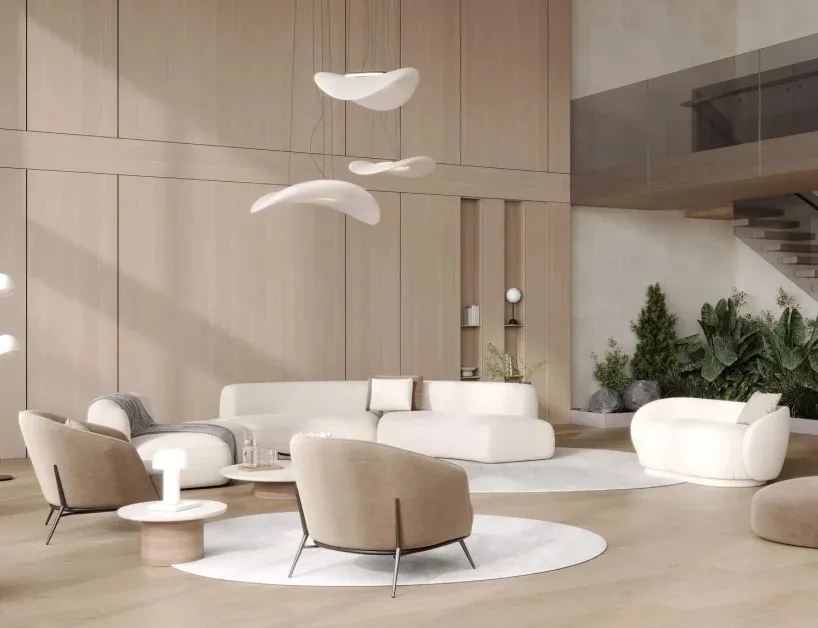
Not every studio fits every home. Some specialize in minimal, low-clutter interiors. Others lean into warmer, more layered looks with texture and pattern. Look at a studio's past residential projects, not just their portfolio highlights, and ask if you can see photos a year or two after completion, not just the staged shots right after handover. That tells you how the space actually holds up with daily life in it. It's also worth asking who will be your day-to-day contact, since larger studios sometimes hand off communication to a junior designer once the contract is signed.
Conclusion
Hiring a residential interior design studio comes down to fit: fit with how your family lives, fit with your budget, and fit with the timeline you can realistically work with. The studios that get this right ask more questions before they show you a single moodboard. Take the time to meet a few, compare how they think through a home rather than just how their finished projects look, and you'll end up with a space that actually works for daily life, not just for photos.























Sign in to leave a comment.